AI Education Market Set to Reach $6 Billion by 2025 as Canadian Student Use Rises to 59%
The global AI education market is forecast to reach $6 billion by 2025. In Canada, 59% of students use generative AI for schoolwork, up from 52% in 2023, with mixed effects on learning outcomes.
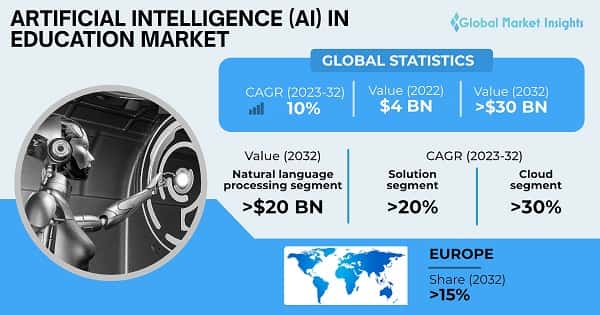
TL;DR: The global AI education market is forecast to reach $6 billion by 2025, driven by rising adoption among students. In Canada, 59% of learners now use generative AI for schoolwork, up from 52% a year earlier, while many report mixed effects on learning.
Context The integration of AI tools mirrors past shifts in education, from the introduction of printed books to the spread of calculators and computers. Each innovation sparked debate about reliance versus benefit, prompting educators to set new guidelines. Today’s generative models promise faster drafting and personalized help, yet they also raise concerns about depth of understanding.
Historical parallels show that initial resistance often fades as clear rules emerge. When calculators entered classrooms, teachers feared loss of mental arithmetic but later embraced them as aids for complex problem-solving. Similar patterns are appearing with AI, where early adopters experiment while others wait for proven efficacy.
Key Facts - Market analysts project the worldwide AI-in-education sector will hit $6 billion by 2025. - A 2024 survey shows 59% of Canadian students use generative AI for assignments, up from 52% in 2023. - Among those users, 75% say the technology improves the quality of their work. - Conversely, 67% of students feel they learn or retain less when they rely on AI assistance.
What It Means Growth in the AI education market reflects both demand for efficiency and uncertainty about learning outcomes. Schools and policymakers will likely refine usage policies, balancing productivity gains against potential knowledge gaps. Expect more pilot programs that test AI-augmented curricula and stricter guidelines on citation and originality.
Equity considerations also surface, as access to high-speed internet and compatible devices varies across regions. Addressing these disparities will be crucial to prevent AI from widening existing achievement gaps. Teacher training initiatives are emerging to help educators evaluate when AI assistance adds value and when it hinders deep learning.
What to watch next: How upcoming regulatory frameworks and institutional policies shape the long-term impact of AI on student comprehension and equity.
Continue reading
More in this thread
Conversation
Reader notes
Loading comments...