9.1 Million Voters Purged in West Bengal Ahead of State Election, Sparks Allegations of Religious Targeting
Ahead of state elections, West Bengal removed 9.1 million voters, over 10% of its electorate. Critics allege religious targeting, particularly affecting Muslims.
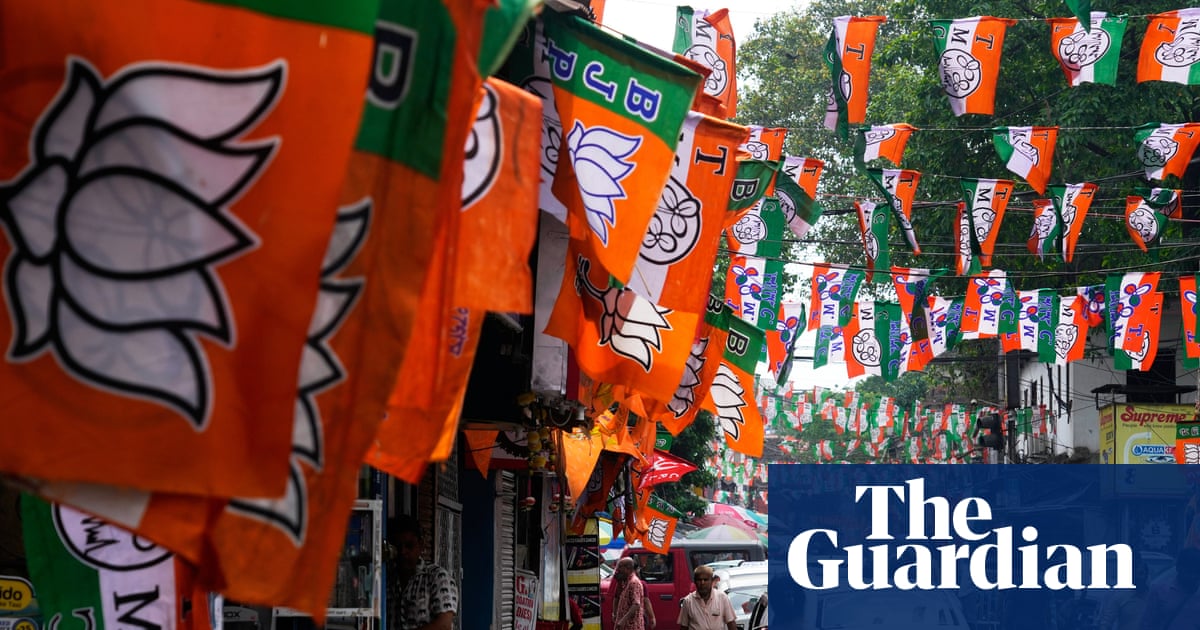
TL;DR: West Bengal's electoral roll has seen 9.1 million voter names removed, impacting over 10% of the electorate, ahead of a critical state election. This revision faces allegations of religious targeting and widespread disenfranchisement.
West Bengal's electoral roll, the official list of eligible voters, has undergone significant changes, with 9.1 million names removed. This figure represents over 10% of the state's total electorate. These deletions occur just before a pivotal state election, where the incumbent Trinamool Congress (TMC) seeks to retain power against the Bharatiya Janata Party (BJP).
The revision process, officially termed the Special Intensive Revision (SIR), aims to update voter records. Supporters of the process characterize it as an effort to "purify" the electoral roll and identify "infiltrators"—a term often used pejoratively for undocumented immigrants. Critics, however, highlight the unprecedented speed of its implementation. This rapid process, they argue, contributes to errors and potential targeting.
The scale of these removals is substantial. Approximately 2.7 million people challenged their initial expulsions, providing documentation to verify their eligibility. Despite these challenges, their names were still removed from the register. This indicates that many of those affected actively sought to retain their voting rights, yet were unsuccessful.
The extensive voter roll revisions have drawn strong reactions and serious allegations. Sagarika Ghose, a Member of Parliament for the TMC, described the process as a "constitutional crime against the people of India and Bengal." Such a crime, Ghose suggests, impacts fundamental democratic rights enshrined in the principle of "one person, one vote."
Further analysis indicates a demographic imbalance in the deletions. Sabir Ahamed, from the Sabar institute, reported that religion was the biggest factor in these voter roll deletions. His research indicates that Muslims were disproportionately affected by the removals, intensifying concerns about targeted disenfranchisement ahead of the polls.
This mass removal of voters has generated significant concern regarding the fairness and integrity of the upcoming election. Critics allege that the process could manipulate the electoral system, potentially shifting outcomes in closely contested constituencies. The legal challenges against the SIR and the electoral commission's subsequent actions will be crucial to observe as the state prepares for voting.
Continue reading
More in this thread
Passaic’s Arthur G. Soto leads North Jersey spring school board voting as 15 districts hold April elections
Nadia Okafor
China‑Iran Trade Grows to $13.37 Billion Amid 2026 Middle East War
Nadia Okafor
Fact Check: Ukraine’s Russian Oil Restart and the EU’s €90 Billion Loan
Nadia Okafor
Conversation
Reader notes
Loading comments...