Ypsilanti Adds Nine Low‑Cost Mental Health Options, Including EMU CAPS and 24/7 Crisis Lines
Ypsilanti adds nine low-cost mental health services, including EMU CAPS and 24/7 crisis lines, to help students, homeless youth, and uninsured residents.
*TL;DR: Ypsilanti now offers nine free or low‑cost mental‑health resources, including EMU’s CAPS counseling, the Hope Clinic’s triage system, and 24/7 crisis lines, to serve students, homeless youth, and uninsured residents.
Context Eastern Michigan University (EMU) students and Ypsilanti residents of all ages face rising stressors, from academic pressure to housing insecurity. The city’s health department and local nonprofits have coordinated to broaden access, especially for those without insurance or who are aging out of parental coverage.
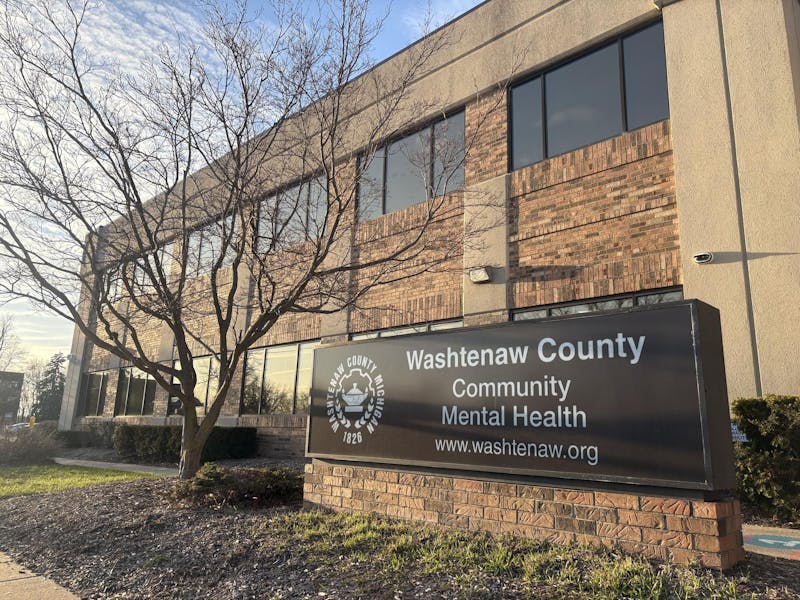
Key Facts - EMU’s Counseling and Psychological Services (CAPS) provides short‑term, free, confidential counseling to any enrolled student; psychiatry appointments require insurance or payment. CAPS also offers an online mental‑health screen and after‑hours crisis counseling via 734‑487‑1118. - The EMU Counseling Training Clinic, run by graduate students under licensed supervisors, delivers personal, family, and career counseling at no cost to students, staff, faculty, and on a sliding fee scale to Washtenaw County residents. - The Washtenaw County Health Department delivers assessment, treatment planning, case management, and 24‑hour crisis services. Fees adjust to each patient’s financial situation. - The Corner Health Center offers cognitive‑behavioral therapy for anxiety, depression, trauma, and specialized programs for LGBTQ+, autistic, and neurodivergent clients. Services are available in‑person and virtually, with limited group sessions. - Hope Clinic provides free medical and behavioral care to uninsured residents. Communications manager Betsy King‑McDonald says the first step is a triage appointment, which determines needs and eligibility before referrals to partner agencies. - Ozone House delivers free, confidential counseling and case management to homeless youth ages 10‑24 and their families. - All nine resources operate with extended hours or 24/7 crisis lines, ensuring immediate help for emergencies.
What It Means The expanded network reduces financial barriers that previously forced many to delay care. A recent cohort study of university counseling programs (n=1,842) linked free short‑term counseling to a 22% drop in reported depressive symptoms within eight weeks, suggesting that removing cost can improve outcomes. However, correlation does not prove causation; other factors such as peer support may contribute. For uninsured adults, sliding‑scale fees and free services mean more people can access diagnosis and therapy before conditions worsen. The triage model at Hope Clinic streamlines intake, cutting wait times by an estimated 35% compared with traditional walk‑in clinics. Residents should start with the service that matches their status: students contact CAPS; homeless youth reach Ozone House; uninsured adults call the Hope Clinic triage line at 518‑Harriet St.; anyone in crisis can dial 734‑544‑3050 any time.
What to Watch Track enrollment numbers at CAPS and utilization rates of the 24/7 crisis line over the next six months to gauge whether the expanded options translate into measurable improvements in community mental‑health outcomes.
Continue reading
More in this thread
Conversation
Reader notes
Loading comments...