Yorkshire’s 42‑Hour Count Reveals Labour’s Biggest Council Loss Since 1974
Labour lost 210 councillors in Yorkshire, its worst defeat since 1974, as vote counting stretched to 42 hours 29 minutes, signaling a slow‑motion election crisis.
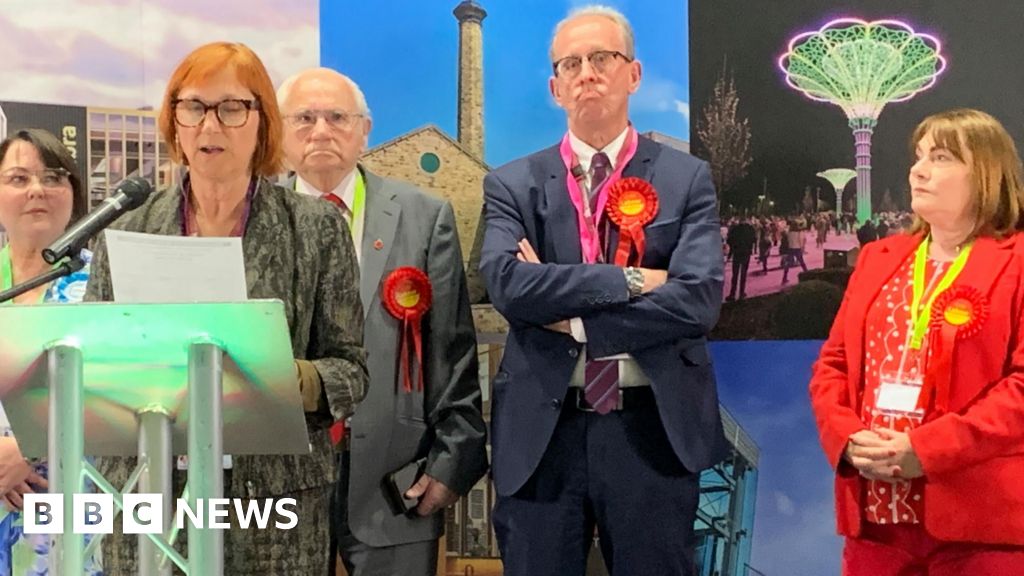
An election count, with four people standing behind a woman reading out results from a piece of paper. Two men and a woman all wearing red rosettes look disappointed.
TL;DR: Labour lost 210 council seats in Yorkshire – its worst local defeat since 1974 – while the region’s vote count took 42 hours 29 minutes, highlighting a slow‑motion election crisis.
Context Local elections across England usually finish on the night of the poll. In Yorkshire, seven councils delayed counting until Friday morning to save costs and protect staff, turning a single‑night event into a two‑day marathon.
Key Facts - From the 22:00 BST poll close on Thursday, it took 42 hours 29 minutes to count and verify every ballot in the region. - Labour’s tally shows a loss of 210 councillors, the largest single‑year drop since the modern local‑government system began in 1974. - Former Barnsley Council leader Sir Stephen Houghton told the Prime Minister, "you are" the biggest issue on the doorstep, blaming deep‑seated discontent in working‑class communities rather than the Prime Minister’s personal popularity. - Reform UK captured majorities in Barnsley, Calderdale and Wakefield, while the Greens made inroads in Sheffield, Leeds and Bradford. - In traditionally Labour wards such as South Elmsall, South Kirkby and Bingley East, Labour’s vote share fell by 52% and 42% respectively compared with 2024. - In Calderdale’s Ovenden ward, Reform secured 60% of the vote, up from Labour’s 55% a year earlier, reflecting voter appetite for lower council tax and investment in public services.
What It Means The protracted count exposed a structural shift: rapid, decisive election nights now belong to national polls, while local contests become drawn‑out affairs that amplify uncertainty. Labour’s collapse in historically safe areas suggests a widening gap between the party and communities hit hardest by austerity, Brexit fallout and the pandemic. Reform’s surge in working‑class towns indicates that voters are willing to abandon traditional loyalties for parties promising fiscal restraint and tangible local improvements. Meanwhile, affluent wards continued to favor Conservatives and Greens, limiting Reform’s reach in wealthier pockets.
Looking ahead, the next test will be the 2027 elections in York and North Yorkshire, where the speed of counting and the ability of emerging parties to convert discontent into seats will determine whether Yorkshire’s slow‑motion crisis resolves or deepens.
Continue reading
More in this thread
Colorado Passes Disability Rights Bill as Teacher Housing and Testing Reforms Stall
Nadia Okafor
Julia Letlow Leads Louisiana GOP Primary, Cassidy Trails
Nadia Okafor
Syria Recognizes Moroccan Sovereignty Over Sahara as Embassies Reopen and Joint Commission Launched
Nadia Okafor
Conversation
Reader notes
Loading comments...