Xcel Energy to Build 420‑MW Natural Gas Peaker in Minnesota
Xcel Energy will construct a 420‑MW natural gas peaking plant in Lyon County, Minnesota, to support grid reliability as coal plants retire and renewables expand.
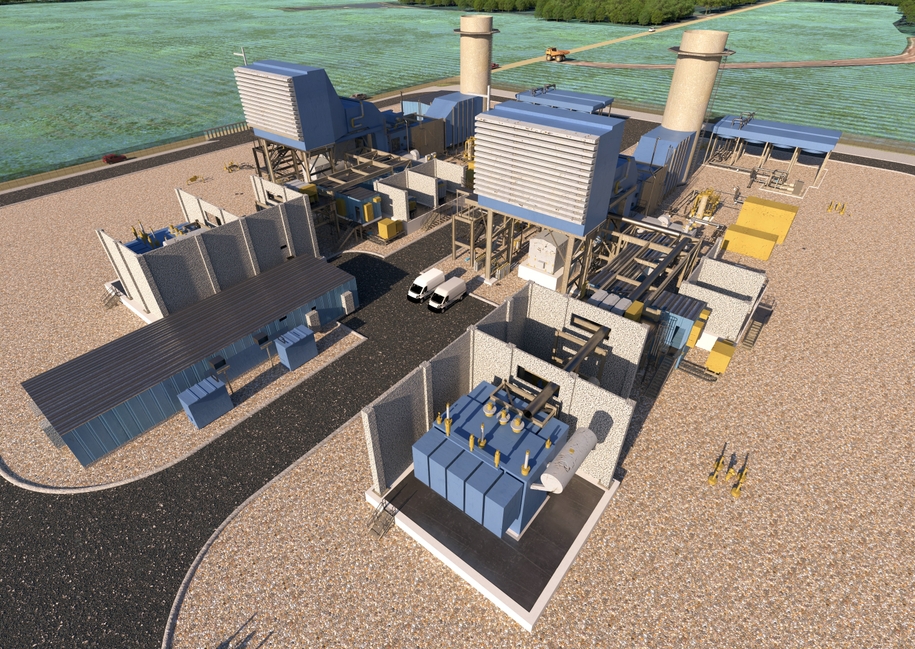
Lyon County Rendering
*TL;DR: Xcel Energy will build a 420‑megawatt natural‑gas peaking plant in Lyon County, Minnesota, to back up wind and solar as the utility retires its coal fleet.
Context Xcel Energy received approval from the Minnesota Public Utilities Commission to begin construction this summer on a new peaking plant near Garvin. The facility will join a broader strategy to retire all remaining coal units by the end of 2030 while preserving grid reliability.
Key Facts - The Lyon County Generating Station will have a capacity of 420 MW, enough to power roughly 300,000 homes at peak output. - Peaking plants run only during periods of high demand or when intermittent renewables are unavailable, typically a small fraction of the year. - Bria Shea, president of Xcel Energy’s Minnesota, North Dakota and South Dakota operations, said the plant will provide “always‑available energy” to complement new wind and solar projects. - The plant will sit beside the Garvin Substation, the southern terminus of the Minnesota Energy Connection transmission line that will move up to 4,000 MW of renewable power to the existing grid. - Property tax revenue from the plant is projected at $300 million over its lifetime, representing a significant fiscal contribution to the region. - Construction is slated to start late summer 2026, with commercial operation expected in late 2028.
What It Means The new peaker addresses a critical reliability gap: wind and solar output drops during calm or cloudy periods and spikes in extreme temperatures. By supplying fast‑ramping natural‑gas power, Xcel can keep lights on while expanding renewable capacity. The plant also supports the Minnesota Energy Connection, a transmission corridor designed to deliver clean energy to more than one million homes across the Upper Midwest.
Local officials anticipate hundreds of construction jobs and long‑term tax benefits, while landowners and community groups will be consulted throughout development. The project illustrates how utilities are blending fossil‑fuel assets with renewable growth to meet decarbonization targets without sacrificing grid stability.
Looking Ahead Watch for the plant’s commissioning schedule and how its output integrates with the upcoming transmission line, which together will shape the region’s clean‑energy trajectory.
Continue reading
More in this thread
Conversation
Reader notes
Loading comments...