White House Accuses China of Industrial-Scale AI Theft via Distillation Campaigns
The White House accuses foreign entities, mainly based in China, of industrial-scale AI theft using 'distillation campaigns,' impacting US research and development.
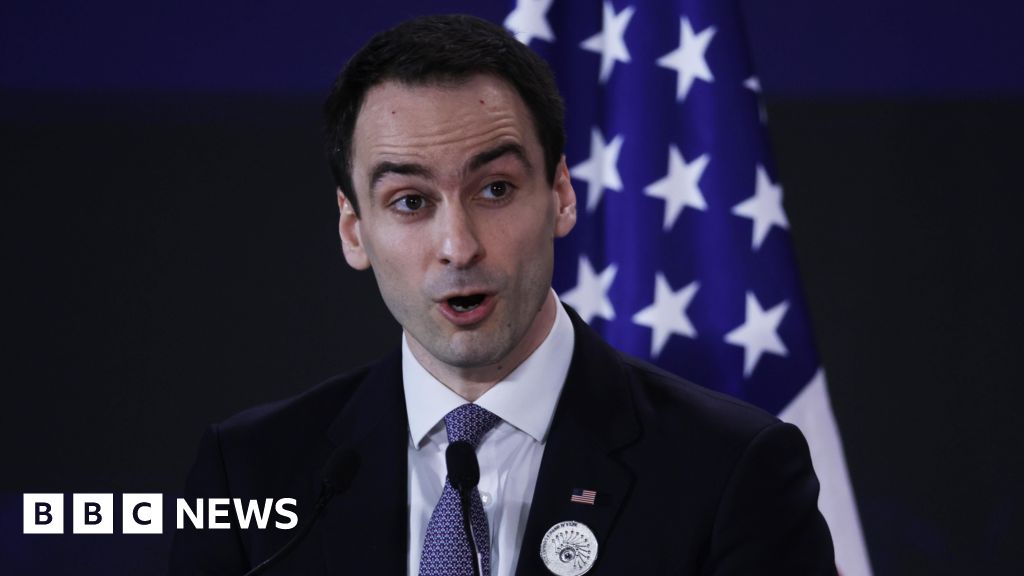
Michael Kratsios, a White House director and advisor on technology, speaking into a microphone at a podium, wearing a black suit jacket, white dress shirt and blue patterned neck tie. An American flag is positioned upright behind him.
TL;DR
The White House states "foreign entities, mainly based in China," are exploiting American AI firms through extensive "distillation campaigns," aiming to copy advanced AI models and undermine US research. This accusation points to a significant challenge in safeguarding intellectual property in artificial intelligence.
Context The White House has issued a stark warning regarding "industrial-scale campaigns" by foreign actors designed to steal advancements in artificial intelligence. These campaigns, known as distillation, involve foreign entities operating numerous accounts to appear as normal users. These accounts then undertake coordinated attempts to extract information from AI models that is not publicly disclosed, effectively copying the technology for their own development. The US administration indicates these actions aim to systematically undermine American research and development efforts and access proprietary information. China's US embassy in Washington D.C. has countered these claims, stating the country's AI development stems from its own dedication, effort, and international cooperation.
Key Facts The White House memo identifies "foreign entities, principally based in China," as exploiting American firms. Leading AI company Anthropic has publicly accused three Chinese AI labs—DeepSeek, Moonshot, and MiniMax—of conducting distillation attacks to copy its models. These labs are all based in China. DeepSeek's AI model reportedly cost only a few million dollars to develop, a stark contrast to the hundreds of billions of dollars spent by other firms on similar AI development. This cost discrepancy underscores the potential efficiency gained by such distillation efforts, allowing rapid scaling of AI capabilities at a fraction of the original investment.
What It Means In response to these findings, the White House outlined four key areas of action. It plans to share more information with US AI companies about the specific tactics employed and actors involved in distillation campaigns. The administration will also work to coordinate more effectively with companies to combat these attacks, develop a set of best practices to identify, mitigate, and remediate them, and explore how it can hold foreign actors accountable. While the administration has not detailed specific punitive actions against foreign entities found to be undertaking distillation, these steps signal a more proactive defense of AI intellectual property. Observers will now watch for the tangible implementation of these strategies and their impact on the global AI development landscape, particularly concerning the future of US-China technological relations.
Continue reading
More in this thread
Conversation
Reader notes
Loading comments...