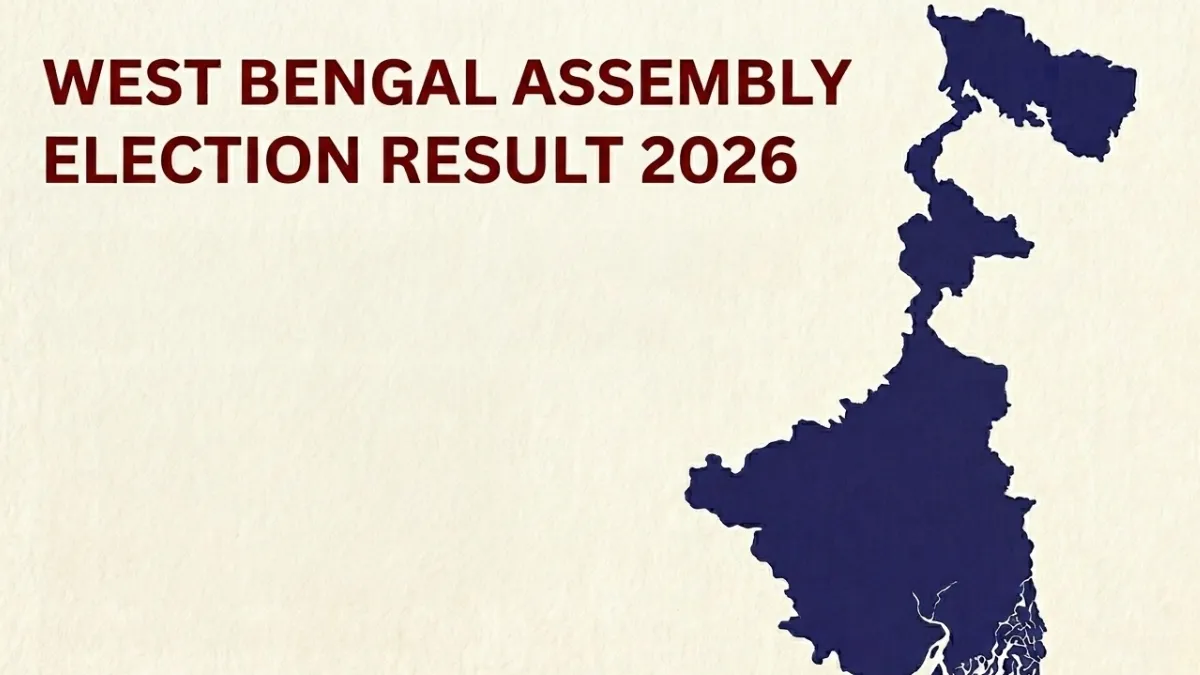
West Bengal Assembly Election 2026 Results to Be Counted May 4 at 8 AM
Find out when and how the 2026 West Bengal Assembly election results will be counted, where to check live updates, and what the outcome could mean for state and national politics.
TL;DR
Vote counting for the 2026 West Bengal Assembly elections will begin at 8 AM on Monday, May 4, 2026, with results posted live on the Election Commission of India’s website. Initial trends are expected within the first hour, while final declarations may take several rounds.
Context The 2026 West Bengal Assembly election was held in multiple phases to ensure security and logistical efficiency across the state’s 294 constituencies. Major national parties and regional contenders fielded candidates, contributing to a voter turnout that exceeded 80 percent in many districts. The Election Commission of India supervised the process, deploying thousands of polling officers and central forces to maintain order.
Political analysts note that West Bengal’s outcome often influences regional alliances and policy directions in eastern India. The state’s diverse demographics, including significant agricultural, industrial, and urban populations, make its electoral verdict a barometer for broader socio‑economic trends.
Key Facts Counting will start at approximately 8:00 AM on May 4, 2026, at all designated counting centres in West Bengal. Postal ballots are tallied first, followed by Electronic Voting Machine (EVM) votes in successive rounds, each monitored by election officials and party representatives. The Election Commission’s official website will publish constituency‑wise results, leading candidates, and party‑wise trends as they become available. Initial trends are usually visible within the first hour, though final results may emerge only after several rounds of verification. Voters can also track updates via the Voter Helpline App, the Chief Electoral Officer West Bengal portal, and live feeds from major news outlets.
What It Means The outcome will determine the next state government and influence national political calculations ahead of the 2029 general election. Early leads may shift as counting progresses through multiple rounds, so stakeholders are advised to rely on verified sources rather than unverified social media claims. Transparency measures, including round‑by‑round verification, aim to uphold confidence in the electoral process. National parties will scrutinize the vote share to assess their strength in a state that has historically swung between left‑leaning and centrist coalitions. A decisive mandate could shape policy priorities such as industrial investment, agrarian support, and urban infrastructure.
What to watch next Watch for coalition negotiations and policy announcements once the mandate becomes clear, as well as any legal challenges that may arise from close contests. Observers will also monitor voter sentiment shifts on social media platforms for early signs of post‑election discourse.
Continue reading
More in this thread
ABLP on Track for Fourth Term Amid US Visa Freeze in Antigua and Barbuda
Nadia Okafor
Reform Poised to Win Over 1,000 Council Seats as Starmer Faces Internal Pressure
Nadia Okafor
Arlington’s Term Change and Frisco’s Rise Highlight Texas Mayor Votes Before Senate Special
Nadia Okafor
Conversation
Reader notes
Loading comments...