Wärtsilä Joins EU H4PERION Project to Test 100% Hydrogen Engines by 2030
Wärtsilä develops a hydrogen‑ready engine for the EU H4PERION project, targeting 100% hydrogen operation on a ferry by 2030.
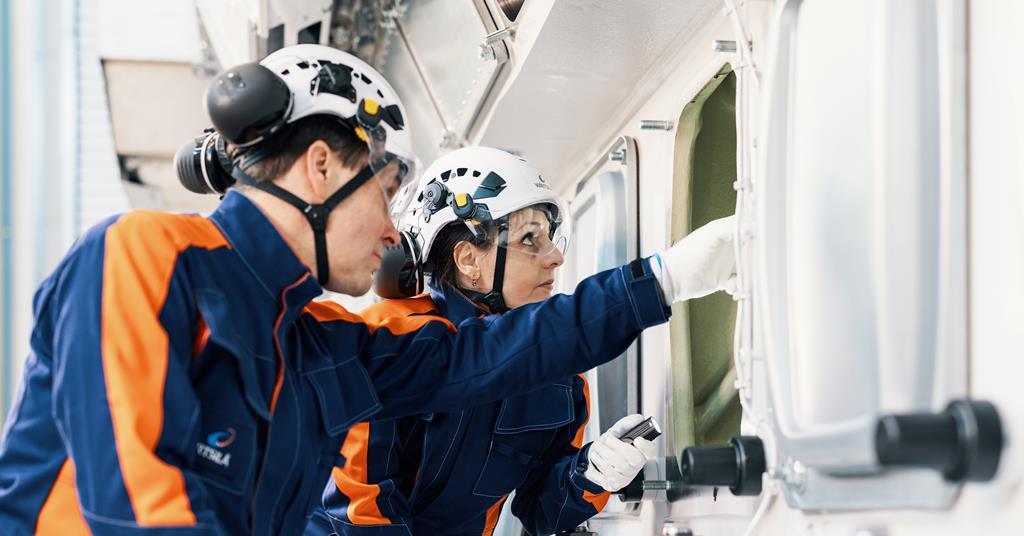
Two Wärtsilä workers looking into a ship's porthole
*TL;DR: Wärtsilä is developing a hydrogen‑ready engine for the EU‑funded H4PERION project, with sea trials on the Aurora Botnia ferry and a target of 100 % hydrogen operation by 2030.
Context The European Union’s Horizon Europe programme has launched H4PERION, a four‑year initiative to cut greenhouse‑gas emissions from long‑distance shipping. Sixteen partners from seven countries are collaborating to create, test and certify low‑carbon fuel solutions for commercial vessels.
Key Facts - Wärtsilä will design a combustion concept that lets internal‑combustion engines run on a hydrogen‑biomethane blend, aiming for full hydrogen use in open‑sea conditions. - The project will run until the end of May 2030, with sea trials on Wasaline’s Aurora Botnia ferry, which links Finland and Sweden. - A twin full‑scale engine will be tested in a laboratory to mirror real sailing conditions; data will feed a digital twin model for ongoing optimisation. - Wärtsilä will also create a catalyst system to curb methane slip—unburned methane that escapes the engine—and develop crew‑training programmes for safe fuel handling. - Project leaders stress that net‑zero shipping requires cross‑industry collaboration and shared determination.
What It Means If the hydrogen‑biomethane combustion system proves viable, ship operators could replace fossil fuels with a zero‑carbon alternative without abandoning existing engine architecture. Successful sea trials would provide a template for retrofitting older vessels and designing new ships that meet the International Maritime Organization’s 2050 emissions targets. The digital twin approach promises faster iteration, reducing the time between lab results and real‑world deployment.
The next milestone will be the first open‑sea test of the hydrogen‑enabled engine on the Aurora Botnia, scheduled for 2025. Monitoring performance and emissions during those trials will indicate whether the industry can scale hydrogen propulsion before the 2030 deadline.
Continue reading
More in this thread
Conversation
Reader notes
Loading comments...