Virginia’s Redistricting Referendum Hands Democrats 2‑4 House Seats While Experts Warn of Gerrymandering Surge
Virginia's redistricting referendum is expected to give Democrats 2-4 House seats. Experts warn of an unprecedented surge in partisan gerrymandering nationwide.
TL;DR
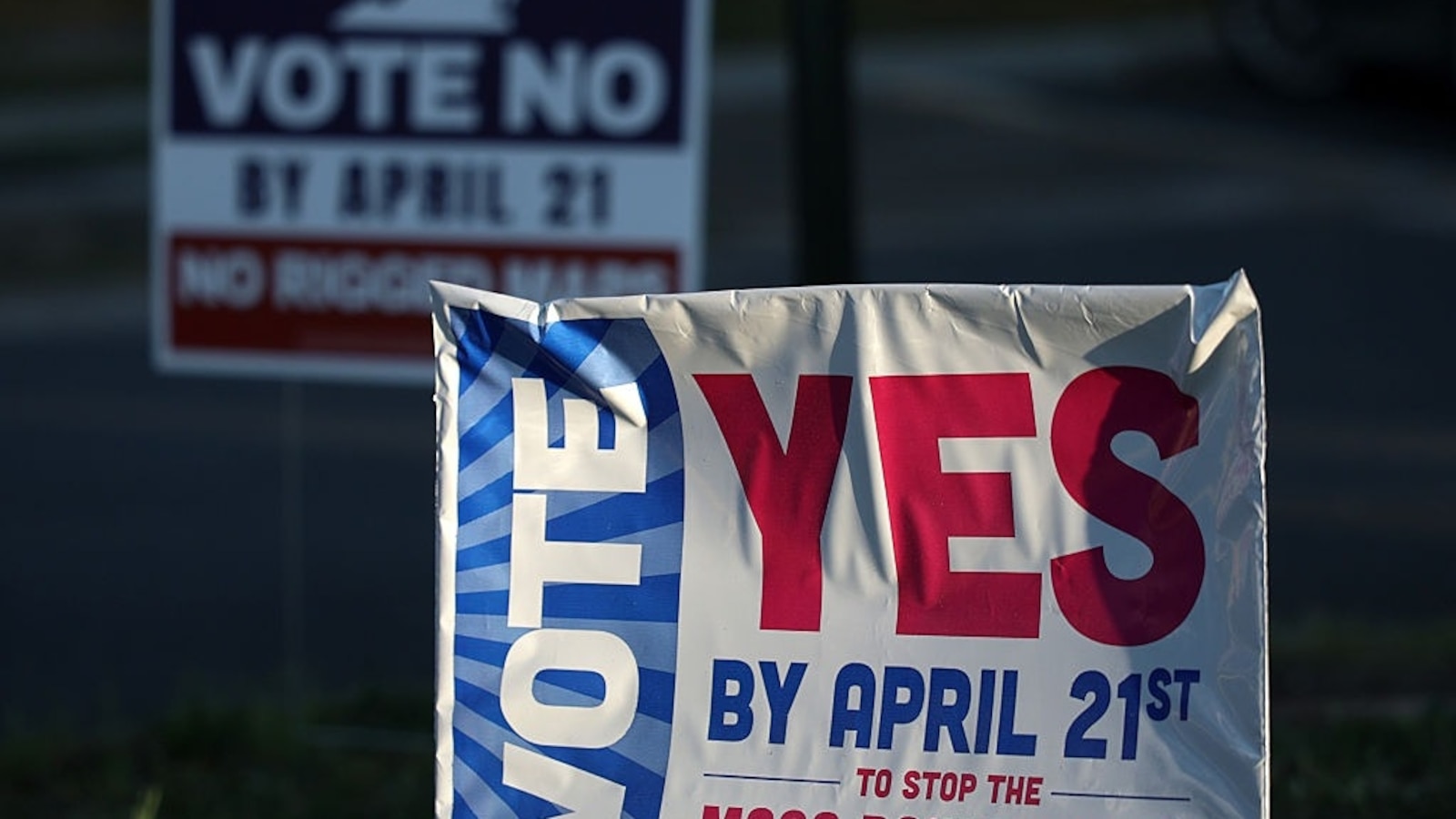
Virginia's recent redistricting decision is projected to increase Democratic representation in the U.S. House of Representatives by two to four seats. This localized shift comes amid a national surge in mid-decade redistricting, prompting warnings from experts about intensified partisan map manipulation.
Context Virginia voters approved a referendum to redraw the state’s electoral map, a decision expected to alter its congressional representation. This action follows an unusual increase in states adjusting congressional district boundaries outside the traditional post-Census timeline. Normally conducted every ten years after the U.S. Census, the redrawing of district lines, known as redistricting, shapes electoral outcomes for the coming decade. This wave of early redistricting, sometimes a response to similar moves by opposing parties, signals a new phase in electoral strategy.
Key Facts The Virginia referendum is projected to result in a gain of two to four congressional seats for Democrats. This shift affects the balance of power in the U.S. House of Representatives. Nationally, the contest for House control remains closely divided. Sabato’s Crystal Ball, a recognized predictor, currently rates 217 House districts as leaning Democratic, 205 as leaning Republican, and 13 as toss-ups. These figures highlight the narrow margins defining the current political landscape.
What It Means This increase in mid-decade redistricting represents a significant departure from historical norms. Samuel Wang of the Princeton Gerrymandering Project describes this recent surge as a "terrible event for good government." Such actions, where electoral boundaries are manipulated to favor one political group—a practice called gerrymandering—can reduce electoral competition and diminish voter influence. When parties engage in this "tit-for-tat" redrawing, it removes voters from the equation. The pattern sets a precedent for how future electoral maps might be drawn and contested. Observers will watch whether this trend of proactive redistricting continues to redefine the electoral landscape ahead of national elections, potentially impacting voter choice and political representation for years to come.
Continue reading
More in this thread
Turkey Moves to Ban Social Media for Children Under 15 After School Shooting
Nadia Okafor
EU Tech Firms Defy Legal Limbo, Push for Permanent CSAM Law as Trilogue Talks Loom
Nadia Okafor
Virginia Redistricting Win Boosts Democrats, Experts Warn of Gerrymandering Arms Race
Nadia Okafor
Conversation
Reader notes
Loading comments...