Virginia Governor Spanberger Vetoes Collective Bargaining Bill Amid Tax Concerns
Spanberger vetoed Virginia’s collective‑bargaining bill over tax worries. Labor groups called it a betrayal; Republicans praised the move.
State of the Union Democrats
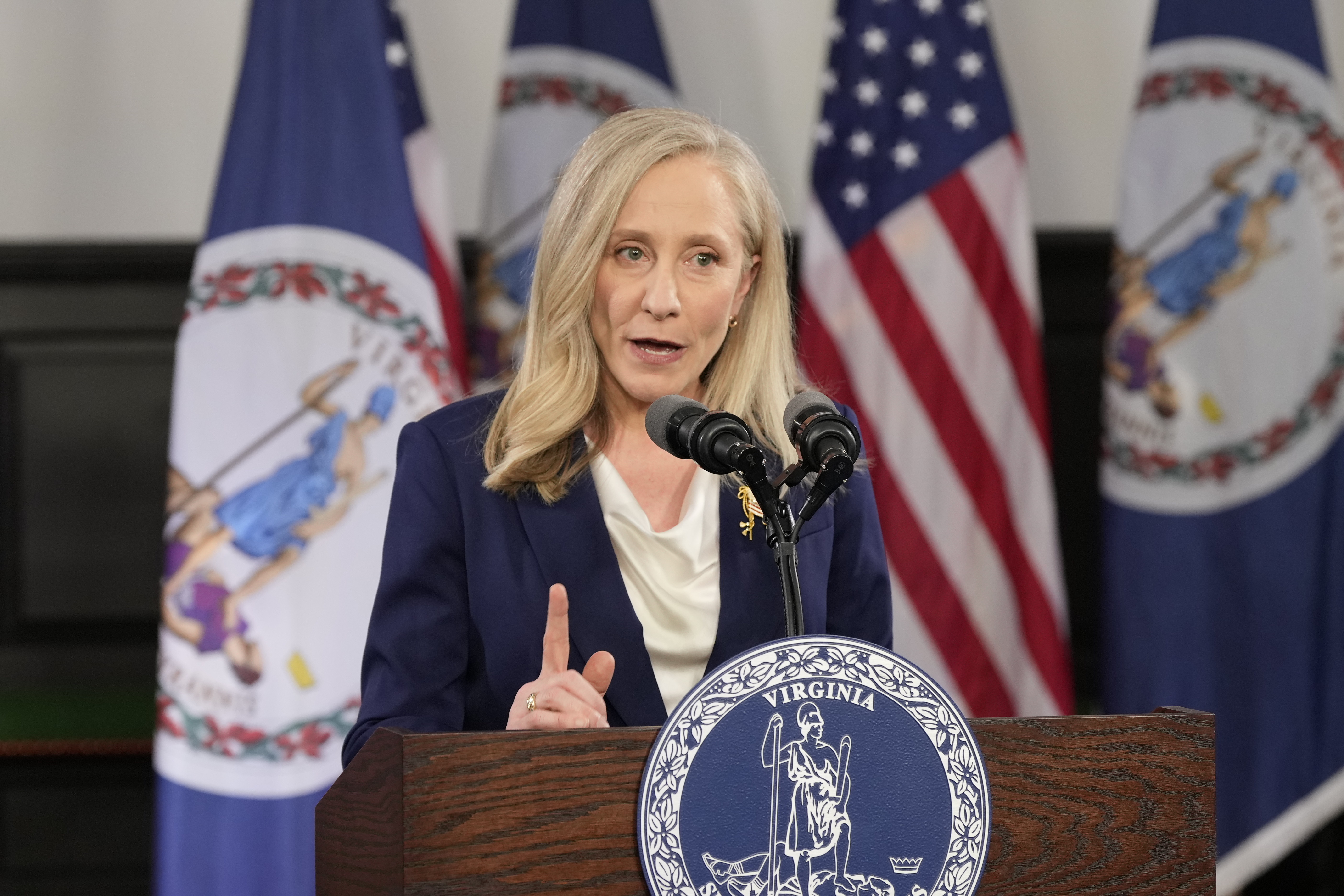
Governor Abigail Spanberger vetoed a bill that would have expanded collective bargaining rights for most Virginia public‑sector workers, citing bipartisan concerns over a potential historic tax increase.
Under current Virginia law, a city or county must first approve collective bargaining before its public employees can unionize. The bill introduced by State Senator Scott Surovell would have removed that local approval step, allowing most government workers to negotiate wages, benefits and working conditions statewide. Proponents said the change would give employees a stronger voice in workplace decisions.
Spanberger said her veto responds to bipartisan worries about the legislation’s cost. Some Democrats warned the bill would have produced the largest tax increase in Virginia’s history. Despite unanimous backing from General Assembly Democrats, the governor blocked the measure, aligning her decision with concerns raised by Republican leaders and local officials.
The bill passed the General Assembly with support from most Democrats and opposition from most Republicans. It had cleared both chambers before reaching the governor’s desk.
Local officials warned that removing the local approval requirement could strain municipal budgets. Richmond Mayor Danny Avula wrote that the bill might create significant implications for the city’s existing collective bargaining agreements and operations. He noted that Richmond had already enacted collective bargaining in 2022 and wanted to ensure any state‑wide change would not disrupt current contracts.
Labor groups called the veto a betrayal, saying it abandons promises to give workers a voice on the job. The Virginia Public Sector Labor Coalition argued the decision leaves public employees without a clear path to negotiate better pay and benefits.
Republican leaders praised the veto as a victory for taxpayers. Senate Republican Leader Ryan McDougle called it a “massive victory for Virginians,” while Representative Terry Kilgore said the bill would have driven up local taxes unsustainably.
The veto preserves the existing system where each locality decides whether to allow collective bargaining. Workers seeking union representation must now rely on local approvals, which can vary widely across the state. Observers say the debate over public‑sector bargaining and its fiscal impact is likely to resurface in future legislative sessions.
Watch for possible attempts to override the veto or for new proposals that address tax concerns while expanding bargaining rights.
Continue reading
More in this thread
Colorado Lawmakers Enforce Cash-Only Lottery Rule
Nadia Okafor
Starmer Faces Leadership Test as King Charles Unveils Labour's Policy Programme
Nadia Okafor
UK Government Announces £45 bn Rail Upgrade, Revives British Steel Takeover, Notes 35 % Rise in Security Investigations
Nadia Okafor
Conversation
Reader notes
Loading comments...