Vietnam-Japan Trade Hits $52 Billion as PM Takaichi Visits Hanoi
Bilateral trade between Vietnam and Japan hit $52 billion in 2025, double 2014 levels, as PM Takaichi Sanae visited Hanoi and signed $20 billion of green‑energy deals.
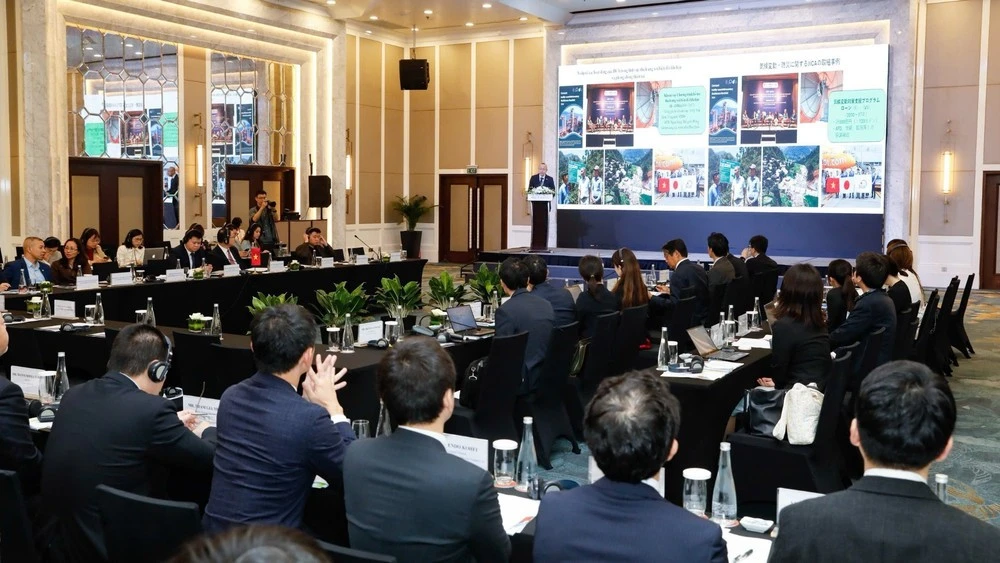
TL;DR: Vietnam-Japan bilateral trade hit $52 billion in 2025, twice the 2014 figure. During Prime Minister Takaichi Sanae’s visit to Hanoi, the two sides pledged 15 green‑energy projects worth about $20 billion.
Prime Minister Takaichi Sanae arrived in Hanoi on 3 February 2026 for her first official trip to Vietnam since taking office.
The visit marks the latest step in a partnership that began with diplomatic relations in 1973 and has progressed through several upgrades, most recently to a comprehensive strategic partnership in 2023.
Economic ties have become a cornerstone, with Vietnam supplying manufactured goods and Japan providing capital, technology, and expertise.
In 2025, bilateral trade between Vietnam and Japan reached about $52 billion.
This amount is double the trade volume recorded in 2014.
As of 31 January 2026, Japan held 5,722 active investment projects in Vietnam, with total registered capital of $78.9 billion.
These projects place Japan as the third‑largest foreign investor in the country.
During the Hanoi talks, the two sides agreed on 15 green‑energy initiatives totaling roughly $20 billion.
The package includes power and liquefied natural gas plants in Thái Bình and Nghệ Sơn, plus a biomass facility in Yên Bái.
The $52 billion trade flow underscores Vietnam’s integration into regional supply chains that serve Japanese manufacturers.
Steady growth reflects complementary strengths: Vietnam’s low‑cost labor and expanding industrial base, Japan’s demand for components and finished goods.
Japan’s $78.9 billion investment stock indicates long‑term confidence in Vietnam’s business climate and infrastructure.
Such capital inflows support factory upgrades, job creation, and technology transfer across sectors.
The $20 billion green‑energy commitment aligns with both nations’ goals to cut carbon emissions and diversify energy sources.
If realized, the projects could increase renewable capacity and reduce reliance on coal‑fired power in Vietnam.
Beyond energy, officials signaled interest in expanding cooperation on digital transformation and semiconductor supply chains.
Analysts will watch implementation schedules for the green‑energy plants and any follow‑up agreements on high‑tech collaboration.
Continue reading
More in this thread
Conversation
Reader notes
Loading comments...