Vibecession Grips Australia: 60% Fear Recession, Iran War Doubles Expert Risk Assessment
A poll shows over 60% of Australians fear a recession, termed a 'vibecession,' while experts put the risk at 20%, doubled by the Iran war. Learn more.
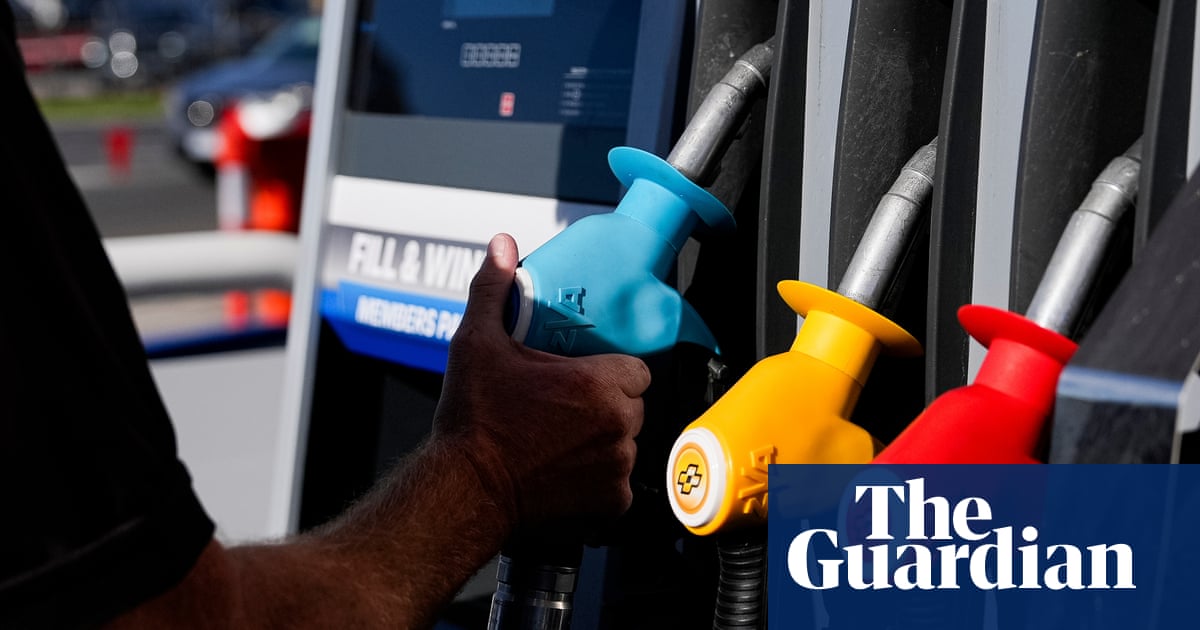
Over 60% of Australians expect a recession within the next year, reflecting a widespread public concern. This public sentiment, dubbed a "vibecession," contrasts with expert economic forecasts, which place Australia's recession probability at 20%, a figure doubled by the Iran war's impact.
Public anxiety about Australia's economic future is high. This unease appears disconnected from traditional economic indicators, a phenomenon termed "vibecession." Australians perceive significant economic challenges, even as some expert analyses suggest a different outlook.
A recent poll reveals that over 60% of Australians believe the country is either currently in a recession or will enter one within the next 12 months. This widespread public apprehension significantly outpaces economists' assessments.
Economic experts acknowledge increased risks. Gareth Spence, Head of Australian Economics at National Australia Bank, states the Iran war has doubled Australia's recession probability, raising it to 20%.
A severe escalation, specifically a prolonged closure of the Strait of Hormuz, presents substantial economic consequences. Such an event would remove $42 billion from Australia’s economy. It would also reduce Gross Domestic Product (GDP)—the total value of goods and services produced—by 1.5 percentage points. This scenario also projects a loss of 160,000 jobs.
The divergence between public perception and expert economic models defines the current "vibecession." While most Australians anticipate a downturn, economists, even with the increased risk from geopolitical events, predict slower growth rather than an outright recession. The identified worst-case scenario, though severe, does not uniformly lead experts to forecast a full recession. This highlights a nuanced economic situation, where perceived hardship and statistical probabilities diverge.
The disparity underscores the importance of monitoring both consumer confidence and key economic indicators. How households and businesses adapt to these evolving conditions will shape Australia's economic trajectory.
Continue reading
More in this thread
Broadcom Forecasts $100B AI Chip Revenue by 2027, Poised to Outpace Nvidia in Stock Performance
Elena Voss
Germany Secures €3.8 bn EU-Approved Industrial Electricity Subsidy with Retroactive Effect
Elena Voss
NNPC Issues Fraud Alert Over False Refinery Scrap Sales
Elena Voss
Conversation
Reader notes
Loading comments...