Verstappen Says 2027 Engine Rule Shift Will Restore Normal Racing
Max Verstappen says the upcoming power‑split change will improve Formula 1 racing and increase his willingness to stay in the sport.
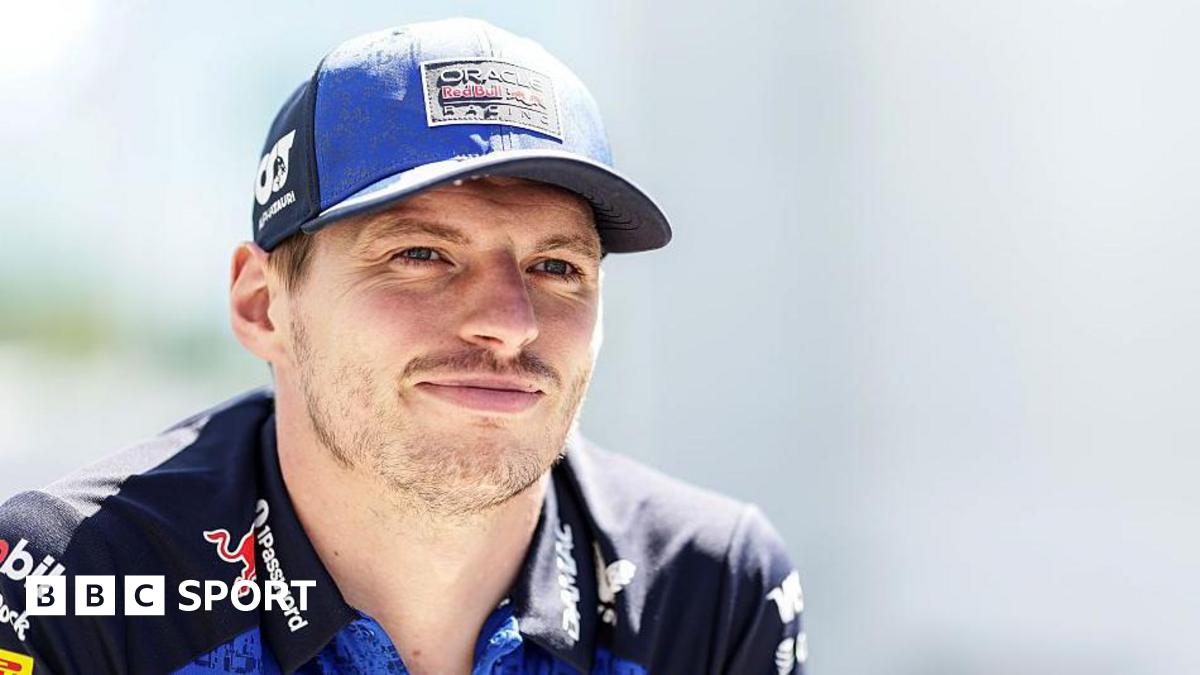
Max Verstappen in the paddock in Montreal
TL;DR
Max Verstappen says the 2027 engine rule tweak that reduces electric assistance will bring Formula 1 racing “almost back to normal” and makes him more likely to remain in the sport.
Context The 2024 season has been dominated by strict energy‑management rules that force drivers to balance internal combustion power with electric boost. Critics argue the system slows cars on long straights, diminishing on‑track battles. FIA officials and engine manufacturers are now negotiating a shift in the power split.
Key Facts - Officials plan to move away from the current 50‑50 split between combustion and electric power, increasing fuel flow to the engine while cutting electric output. The goal is to lessen the need for drivers to conserve energy during a race. - Max Verstappen, after the Japanese Grand Prix, called the upcoming change “very positive” and said it will improve the product, make him happier, and increase his desire to stay in Formula 1. - Mercedes driver George Russell welcomed the idea, noting that cars currently lose nearly half their power on a straight when the engine switches to recharge mode. He said the engine should not lose power down the straight, but he is unsure how the change will affect overall racing. - Fellow drivers Lando Norris and Oscar Piastri described the direction as a step forward, though they cautioned that it is not a complete solution. - The proposed adjustment will likely be achieved by raising the fuel flow limit to the internal combustion engine, a move that raises design and fuel‑tank size challenges and may require budget‑cap allowances for manufacturers.
What It Means If the power‑split revision is approved for the 2027 season, cars will rely more on traditional engine output and less on electric recovery. Drivers could maintain higher speeds on long straights, potentially restoring the overtaking opportunities that have been scarce under the current regime. Verstappen’s endorsement signals that top talent may stay longer if the racing product aligns with driver expectations. However, manufacturers face tight development timelines and cost pressures, making the upcoming Montreal talks critical.
The next test of the new regulations will come during pre‑season testing in early 2027. Observers will watch whether the altered power balance delivers the promised performance boost without compromising reliability or inflating costs.
Continue reading
More in this thread
Cape Verde Secures World Cup Spot, Becomes Third Smallest Qualifier Ever
Marcus Cole
DraftKings Pick6 Picks: SGA Under 29.5 Points, McCain Over 12.5, Wemby Under 13.5 Rebounds for May 24 NBA Slate
Marcus Cole
Edge Rusher Ean Rhea Commits to Illinois After Division-II Season
Marcus Cole
Conversation
Reader notes
Loading comments...