Verstappen on F1 engine tweaks that could restore normal racing
Max Verstappen says upcoming F1 engine rule changes will make racing feel "almost back to normal" and could influence his decision to stay, while Lando Norris calls the shift a welcome direction.
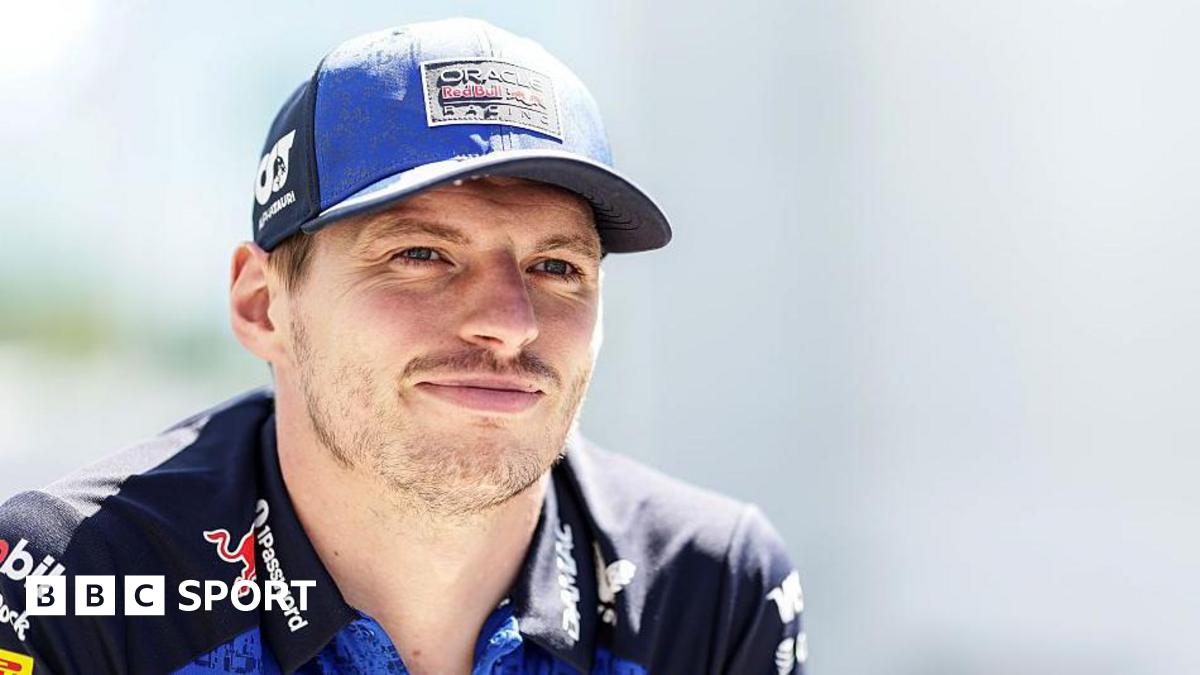
Max Verstappen in the paddock in Montreal
TL;DR
Max Verstappen says the upcoming F1 engine rule changes will make racing feel “almost back to normal” and could influence his decision to stay, while Lando Norris calls the shift a welcome direction.
Context Current F1 power units split output 50‑50 between a turbocharged internal combustion engine and an electrical motor‑generator unit. This balance forces drivers to manage when to deploy electrical harvest and deployment, often lifting off the throttle mid‑straight to recharge the battery.
The resulting “lift‑and‑coast” phases have dominated race commentary this year, prompting teams and regulators to seek a simpler power delivery that reduces the need for constant energy management.
Key Facts After the Japanese Grand Prix, Verstappen told reporters that the revised rules will improve the product, make him happier, and raise his chances of continuing to perform well at a high level.
Lando Norris described the proposed adjustment as a great direction that all drivers welcome.
The FIA, Formula One Management, and the four engine manufacturers have agreed in principle to raise the internal combustion engine’s share of total power while lowering the electrical share by the same amount.
What It Means Increasing the combustion share should reduce the need for drivers to lift off the throttle to harvest energy, which could restore more consistent straight‑line speed and create clearer overtaking zones.
For Verstappen, a car that feels more responsive may strengthen his incentive to remain with his current team beyond the next contract cycle.
Norris’s endorsement, echoed by other drivers such as George Russell, indicates broad support that could smooth the political path for the regulation change.
Implementing the shift will require engineers to rewrite engine maps, raise fuel‑flow limits, and possibly enlarge fuel tanks to accommodate the extra combustion power.
Those changes must be completed within the tight development window for the 2026 season, leaving little room for delay.
Higher combustion output also raises thermal loads, meaning teams may need to upgrade cooling systems and adjust aerodynamic packages to maintain optimal operating temperatures.
Manufacturers are lobbying for additional allowances inside the engine budget cap to cover the costs of redesigning hardware and software, a point still under negotiation.
If the budget‑cap relief is not granted, some manufacturers could face pressure to prioritize reliability over peak power, potentially affecting the competitive balance.
What to Watch Next Watch for the outcome of the Montreal talks this weekend, where the final power‑split ratio and any budget‑cap adjustments are expected to be settled before the regulation is locked for the coming year.
Continue reading
More in this thread
Cape Verde Secures World Cup Spot, Becomes Third Smallest Qualifier Ever
Marcus Cole
DraftKings Pick6 Picks: SGA Under 29.5 Points, McCain Over 12.5, Wemby Under 13.5 Rebounds for May 24 NBA Slate
Marcus Cole
Edge Rusher Ean Rhea Commits to Illinois After Division-II Season
Marcus Cole
Conversation
Reader notes
Loading comments...