Verstappen Calls 2024 F1 Rule Tweaks a 'Tickle' as Russell Praises Them
Verstappen calls 2024 F1 rule changes a 'tickle,' Russell says they're good, as new power units split 50‑50 between combustion and electric power.
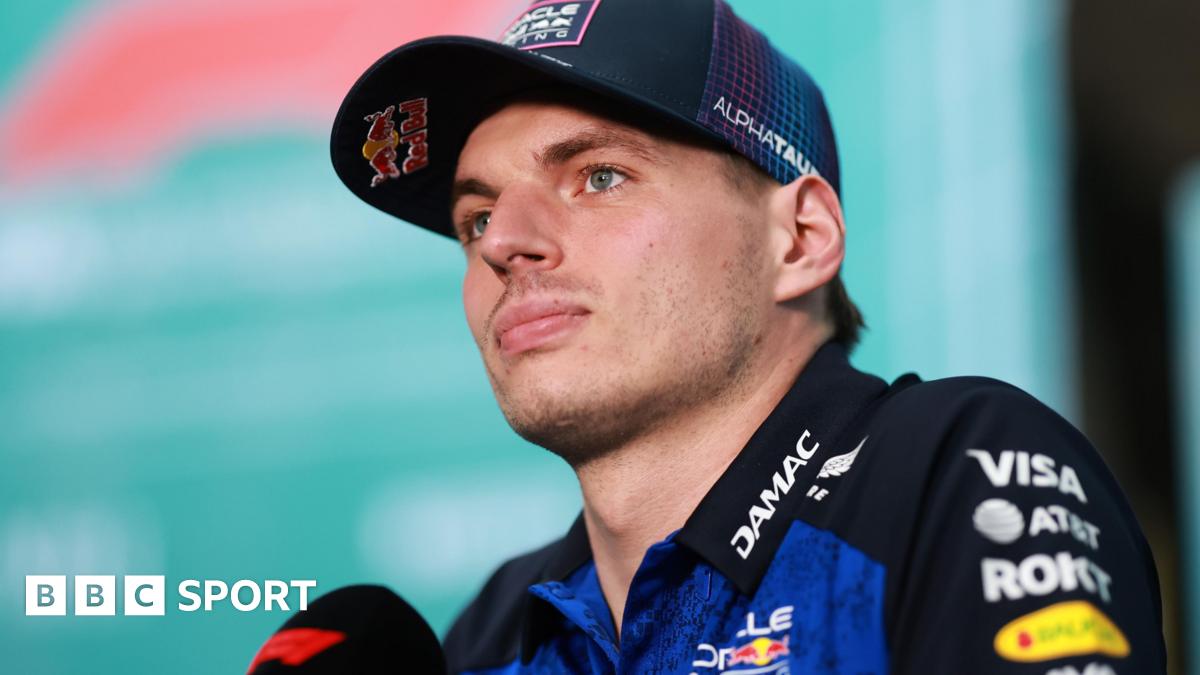
Red Bull's Max Verstappen speaking into an F1-branded microphone at the Miami Grand Prix
TL;DR: Max Verstappen dismissed the 2024 Formula 1 rule adjustments as merely a "tickle," while George Russell labeled them "good," highlighting a split in driver opinion as the new power units run about a 50‑50 mix of combustion and electric power.
Context The 2024 season introduced a suite of technical tweaks aimed at making qualifying laps flatter‑out and narrowing speed gaps during races. Drivers have voiced mixed reactions, reflecting broader debates about the direction of the sport’s regulations. The changes target energy‑management strategies that have forced lift‑off and coasting maneuvers in qualifying.
Key Facts Max Verstappen said the 2024 F1 rule changes are only a "tickle" and insufficient to make racing flat‑out. George Russell described the same changes as "good." The 2024 F1 power units feature an approximately 50‑50 balance between internal combustion and electrical power.
What It Means Verstappen’s critique suggests the adjustments do not yet address his concerns about car dynamics and his long‑term commitment to the sport. Russell’s endorsement indicates that some drivers see the tweaks as a step toward better raceability and closer competition. The 50‑50 power split underscores the continued importance of energy management, which teams must optimize to exploit the new qualifying format while maintaining race‑pace stability.
What to watch next The upcoming Miami Grand Prix will provide an early test of whether the rule changes produce more overtaking and flatter‑out qualifying laps. Observers will also monitor any further engine‑ratio discussions slated for 2025, which could shift the combustion‑electric balance and influence driver sentiment.
Continue reading
More in this thread
Conversation
Reader notes
Loading comments...