Venice Biennale Faces €2 Million EU Penalty Over Russian Pavilion Opening
Opening Russia's pavilion at the Venice Biennale may cost €2 million in EU funds, while protests target the Israeli pavilion and the Iranian pavilion stays closed.
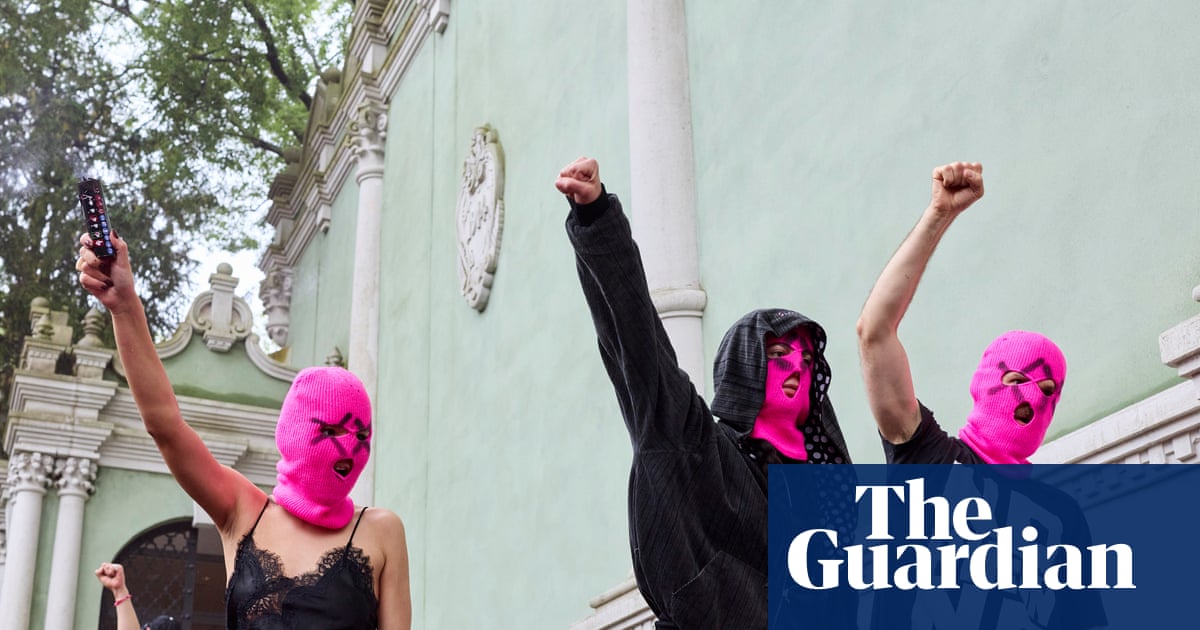
TL;DR
The Venice Biennale’s press preview of the Russian pavilion could cost the festival €2 million in EU funds, while protests erupt over the Israeli pavilion and the Iranian pavilion remains closed.
The 2024 Venice Biennale opens to the public on 9 May, but the spotlight has shifted from artworks to geopolitics. Press previews began on Tuesday with the Russian national pavilion playing techno music, marking its first public showing since Russia’s full‑scale invasion of Ukraine.
Biennale president Pietrangelo Buttafuoco approved the opening despite opposition from the Italian government that appointed him. EU rules require cultural events receiving funding to respect ethical standards; the decision is deemed a breach that could strip €2 million from the festival’s budget.
The Russian pavilion will be shut to visitors when the public opening starts, a move described by a Ukrainian official as a “meaningful step.” The closure follows the mass resignation of the Biennale’s awarding jury in April, which protested the inclusion of entries from nations whose leaders face International Criminal Court arrest warrants.
Parallel protests target the Israeli pavilion. Two hundred artists, curators and art workers signed a statement demanding its cancellation, arguing that showcasing Israel amounts to platforming a state accused of genocide and cultural erasure. The pavilion will open as planned, featuring Belu‑Simion Fainaru’s installation “Rose of Nothingness,” which critics say glosses over water restrictions used as a weapon against Palestinians.
The Iranian pavilion announced its shutdown a day before the press preview, offering no official reason but widely interpreted as linked to Tehran’s conflicts with the United States and Israel. Meanwhile, the South African pavilion will not present a national exhibition; the intended artist will display work in a nearby church after the South African government blocked the piece, a tribute to a Palestinian poet killed in an Israeli airstrike.
The controversy has reshaped the Biennale’s narrative. No Golden or Silver Lion awards will be given for the first time in four decades, as the resigned jury refused to honor works from Russia or Israel. The festival now balances artistic ambition with diplomatic fallout, and the EU funding threat adds financial pressure.
What it means: The Biennale’s financial risk underscores how cultural institutions are held accountable to international ethical standards. As the public doors open, attention will turn to whether the EU enforces the penalty and how the protests influence future pavilion selections.
*Watch next*: EU officials’ final decision on the €2 million sanction and any policy changes for upcoming international art exhibitions.
Continue reading
More in this thread
Israel Opens Probe After Soldier Places Cigarette in Virgin Mary Statue in Lebanon
Nadia Okafor
Starmer Urges Civil Servants to Speak Truth to Power After Robbins Dismissal
Nadia Okafor
Allen County Vote‑Center Hardware Slows Unofficial Results, GOP Chair Says
Nadia Okafor
Conversation
Reader notes
Loading comments...