Vanuatu President Receives Fiji's New High Commissioner, Emphasizes Climate and Regional Ties
Vanuatu's president receives Fiji's new high commissioner, pledging stronger ties on climate resilience and regional cooperation.
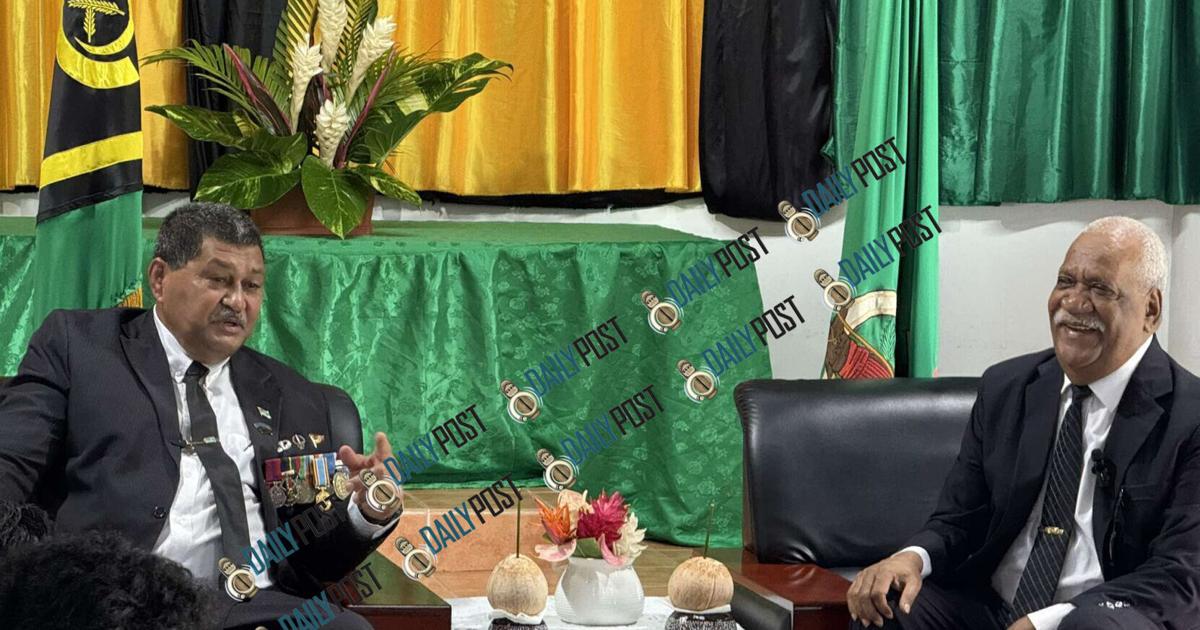
President Vurobaravu Highlights Strong Pacific Bonds in Welcoming Fiji Envoy
TL;DR: Vanuatu President Nikenike Vurobaravu formally received Fiji’s new High Commissioner Jackson Bernard Nato Evans, signaling a renewed diplomatic phase and a joint focus on climate resilience.
Context The ceremony took place yesterday in Port Vila, marking the latest step in a long‑standing partnership between two Melanesian neighbours. Both nations share a history of cultural exchange, mutual aid during disasters, and coordinated action in regional bodies such as the Pacific Islands Forum.
Key Facts - President Vurobaravu accepted Evans’ letters of credence, describing the appointment as a “renewed phase” in bilateral relations. He highlighted historic ties, shared Melanesian identity, and cooperation across education, health, agriculture, trade, policing and disaster response. - Evans thanked Vanuatu for past humanitarian assistance and reiterated Fiji’s commitment to deepen diplomatic engagement. He stressed that both countries are highly vulnerable to climate change, noting Fiji’s recent experience with climate‑linked natural disasters. - Both leaders agreed that climate resilience, ocean governance, sustainable development, regional security and economic integration remain joint priorities. They pledged continued collaboration in multilateral forums, including the Melanesian Spearhead Group and the Pacific Community.
What It Means The exchange underscores a strategic alignment as the Pacific faces escalating climate threats. By reinforcing diplomatic channels, Vanuatu and Fiji aim to coordinate disaster response, share adaptation technologies, and present a united front in international climate negotiations. The renewed emphasis on people‑to‑people links suggests expanded scholarship programs, health initiatives and trade missions.
Looking ahead, observers will watch for concrete joint projects—such as shared early‑warning systems or joint renewable‑energy pilots—that translate the diplomatic goodwill into measurable resilience for both island states.
Continue reading
More in this thread
Ex-Fauci Adviser Indicted for Using Personal Gmail to Hide Covid Records
Nadia Okafor
Comey’s ‘86 47’ Shells Prompt Fresh Trump Indictment Attempt
Nadia Okafor
DHS Expands No‑Fly Zones to Include Moving, Unmarked Federal Vehicles After Minneapolis ICE Shooting
Nadia Okafor
Conversation
Reader notes
Loading comments...