Uzbekistan Adds 5,600 MW Renewable Capacity, Aims for 54% Clean Power by 2030
Uzbekistan installs 5,600 MW of solar and wind, boosting electricity output 1.5‑fold and aiming for 54% renewable energy by 2030.
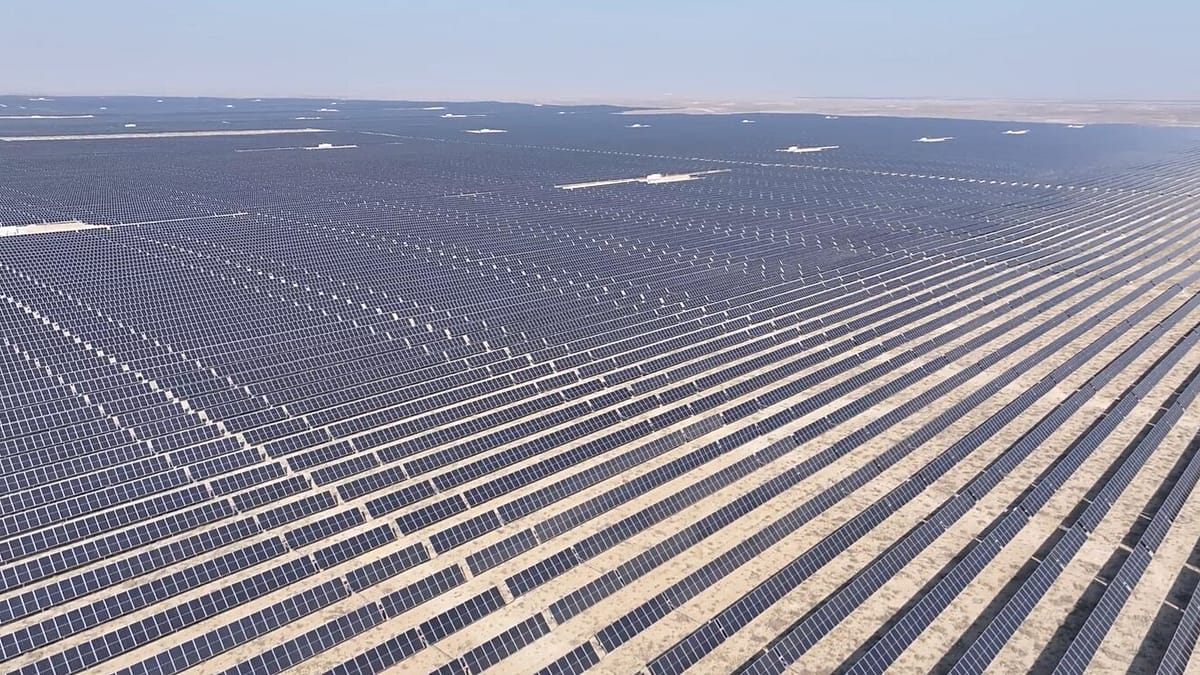
How solar and wind projects are accelerating the energy transition
TL;DR
Uzbekistan has connected 5,600 MW of solar and wind to its grid and plans to raise renewable share from 30% to 54% by 2030.
Context Uzbekistan’s power sector is undergoing a rapid transformation. International developers and multilateral banks are financing large solar farms, wind parks, and grid upgrades. The government pairs this build‑out with investments in energy storage, artificial‑intelligence labs, and green data centres to meet rising industrial demand.
Key Facts - 5,600 MW of solar and wind capacity now feed the national grid, a milestone achieved through partnerships with foreign investors. - President Shavkat Mirziyoyev reports that renewables already supply roughly 30% of the country’s electricity. - The administration targets a 54% renewable share by 2030, a rise of 24 percentage points. - $35 billion in investment projects have lifted total electricity generation 1.5 times to 87 billion kilowatt‑hours (kWh) annually. - The Samarkand solar plant, backed by the Asian Development Bank, will deliver 0.5 GW (500 MW), becoming Central Asia’s largest solar facility. - Saudi firm ACWA is constructing a fully green data centre in Tashkent’s IT park, slated for completion early 2027. - Uzbekistan climbed 14 spots in the Index of Economic Freedom, entering the “moderately free” category, reflecting broader reforms that attract foreign capital.
What It Means The 5,600 MW addition expands the country’s renewable base by more than a third of its current capacity, reducing reliance on natural gas and enhancing energy security. Scaling generation without parallel storage and grid modernization would risk curtailment; the government’s focus on battery systems and AI‑driven grid management aims to keep supply stable as demand grows.
Industrial zones and data‑intensive services stand to benefit from a greener power mix, lowering operating costs and supporting Uzbekistan’s ambition to become a regional tech hub. Saudi Arabia’s $26 billion cumulative investment underscores the strategic importance of Central Asian energy markets to Gulf investors.
Looking ahead, the pace of new solar‑wind projects, the rollout of storage facilities, and the operational start‑up of the green data centre will be key indicators of whether Uzbekistan can meet its 54% clean‑energy goal on schedule.
Continue reading
More in this thread
Conversation
Reader notes
Loading comments...