Utah Summer Games Hits Record 10,470 Athletes in 2025, Marking 40 Years of Olympic‑Style Competition
The 2025 Utah Summer Games attracted 10,470 participants, a thirteen‑fold increase from 1986, as the event marks its 40th anniversary of Olympic‑style competition in Cedar City.
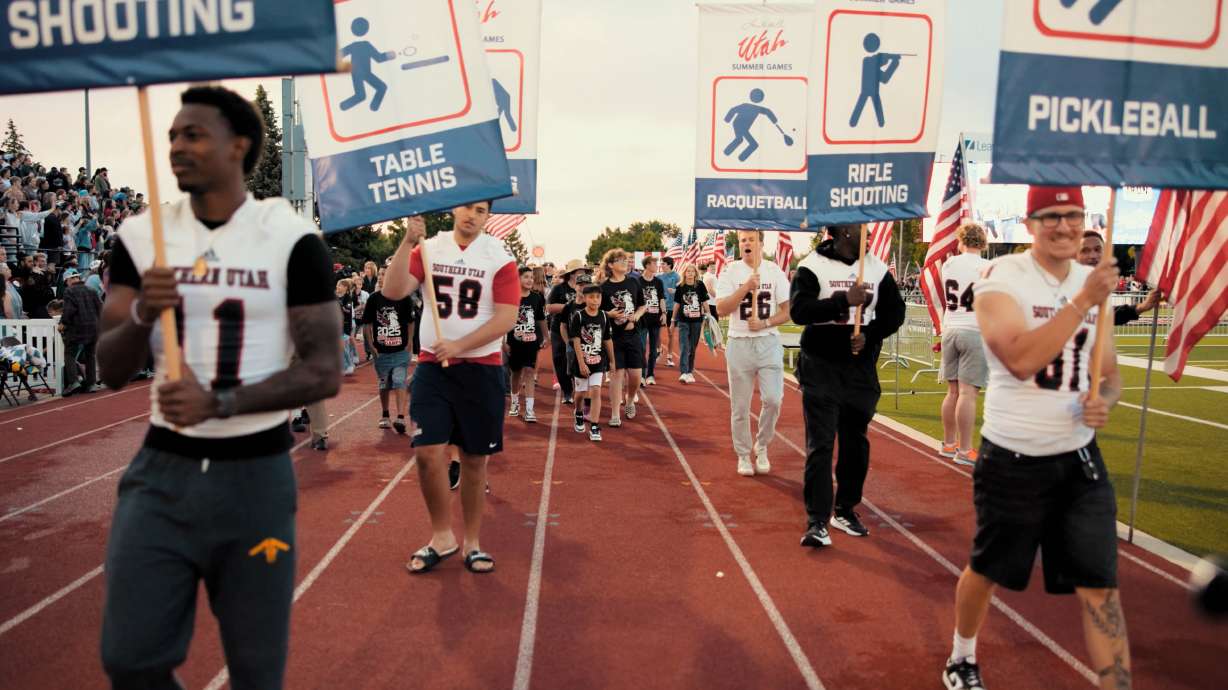
The Utah Summer Games gives participants and spectators a mini Olympic experience.
TL;DR
The 2025 Utah Summer Games attracted 10,470 athletes, more than thirteen times the 750 who competed in the inaugural 1986 event. This marks the 40th anniversary of the Olympic‑style festival held each June in Cedar City.
Context Since its launch in 1986, the Larry H. Miller Utah Summer Games have grown into one of the nation’s top amateur sports festivals. Held annually in Cedar City during the first week of June, the event features an opening ceremony with a parade of athletes, entertainment, a torchbearer and fireworks. Winners receive gold, silver and bronze medals, and thousands of volunteers support the competition each year. Each year, over 5,000 volunteers help run the event, from scorekeepers to medical staff. The games were inspired by the 1984 Los Angeles Olympics after Southern Utah University president Gerald R. Sherratt contacted volunteer coordinator Rich Wilson. Wilson spent the early years traveling across Utah to recruit participants, laying the foundation for today’s scale.
Key Facts The 2025 edition recorded 10,470 participants, up from 750 in 1986, according to organizers. Jon Oglesby, executive director of the Utah Summer Games, said the event aims to provide an Olympic experience for athletes of all abilities. SUU President Mindy Benson added that the games help people discover themselves, build resilience and dig deep. Over 30 sports are offered, ranging from track and field to archery and adaptive athletics. The festival also includes a torch relay and medal ceremonies that mirror Olympic traditions. The 2025 games generated an estimated $4.2 million in direct spending for the region, according to local economic reports.
What It Means The surge in participation reflects broader interest in accessible, multi‑sport competitions and highlights the games’ role in fostering community engagement and volunteerism. Growth also raises logistical considerations for venue capacity, accommodation and medical support as the festival scales. Local businesses report increased hotel occupancy and restaurant sales during the event week, suggesting a measurable economic boost. Past participants such as Olympic bobsledder Bill Schuffenhauer and skeleton medalist Noelle Pikus‑Pace credit the games with inspiring their athletic careers. Surveys show that 68% of first‑time participants report increased confidence in pursuing sports long term. The expanding roster of adaptive sports underscores the event’s commitment to inclusivity across ability levels.
What to watch next Watch for the 2026 edition’s athlete cap, potential new sport additions, and any infrastructure upgrades announced by the host city and Southern Utah University. Additionally, monitor volunteer recruitment targets and sponsorship commitments as the games aim to sustain their upward trajectory. Organizers may also explore digital streaming options to broaden audience reach beyond Cedar City. A new partnership with a regional health provider is slated to launch in 2026 to enhance on‑site medical services.
Continue reading
More in this thread
Conversation
Reader notes
Loading comments...