US Treasury’s Bitcoin Cache Grows $4 B After Commodity Ruling
The Treasury’s Bitcoin stash grew by $4 billion since April, now holding 328,372 BTC after the SEC and CFTC classified it as a digital commodity.
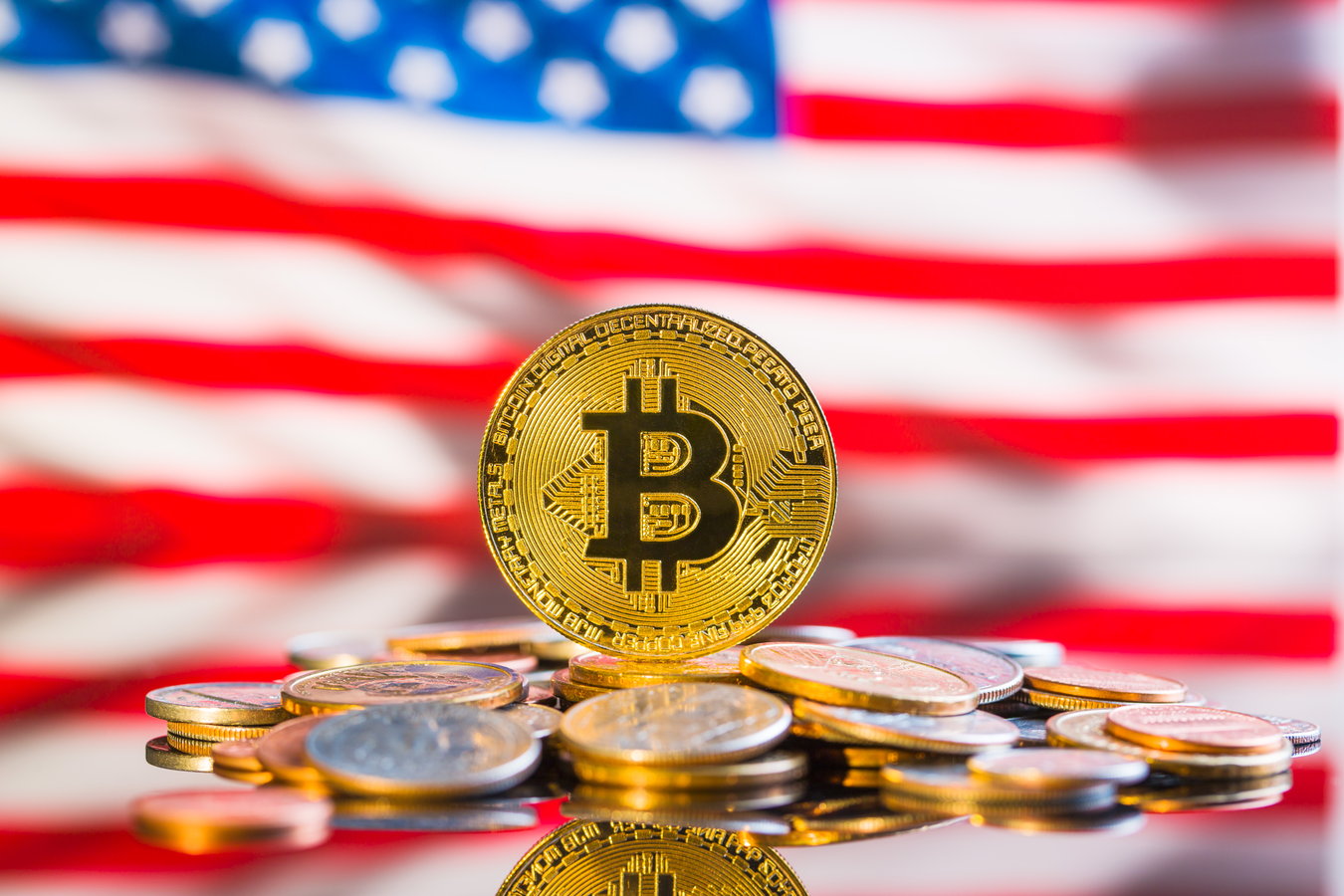
US Treasury’s Bitcoin Cache Grows $4 B After Commodity Ruling
TL;DR
The U.S. Treasury’s Bitcoin holdings jumped $4 billion since April, reaching 328,372 BTC, after regulators classified the asset as a digital commodity.
Context On March 17, 2026 the Securities and Exchange Commission and the Commodity Futures Trading Commission jointly ruled that Bitcoin and Ethereum are digital commodities. The decision ends a years‑long jurisdictional split and clears the way for a wave of exchange‑traded fund (ETF) filings covering other tokens.
Key Facts - The Treasury’s crypto balance rose by more than $4 billion from April 1 to early May, bringing the total to roughly 328,372 BTC, valued at about $9.6 billion at today’s price of $29,300 per Bitcoin (ticker: BTC‑USD). - The increase stems almost entirely from criminal forfeitures, not from market purchases. Seized coins are held in the Strategic Bitcoin Reserve and the U.S. Digital Asset Stockpile, both created under the Trump administration. - The Treasury’s policy forbids selling from these reserves, effectively removing a large potential supply shock from the market. - The commodity classification sparked 91 new ETF proposals for assets such as Solana (SOL), Ripple (XRP) and Litecoin (LTC), expanding the market’s exposure options. - Legislative activity includes the Clarity Act, targeting stablecoin and DeFi regulation, now in Senate hearings, and Coinbase’s receipt of a national bank trust charter in April, subjecting the exchange to traditional banking oversight.
What It Means Investors now face a market where the world’s largest Bitcoin holder pledges to keep its stash intact, reducing the risk of a sudden dump that could depress prices. The digital‑commodity label removes the threat of the SEC reclassifying Bitcoin or Ethereum as securities, which would impose stricter reporting and trading rules. The surge in ETF filings suggests capital will flow more easily into diversified crypto products, potentially narrowing the premium‑discount gap that has plagued crypto funds.
Future watch points include any policy shift on the Treasury’s no‑sale stance, the Senate’s decision on the Clarity Act, and how Coinbase’s new banking charter influences liquidity and compliance costs across the sector.
Continue reading
More in this thread
Conversation
Reader notes
Loading comments...