US Targets China Over AI Model Exploitation Amid Narrowing Performance Gap
The Trump administration vows to crack down on alleged Chinese exploitation of US AI models, coinciding with a Stanford report showing a closed US-China AI performance gap.
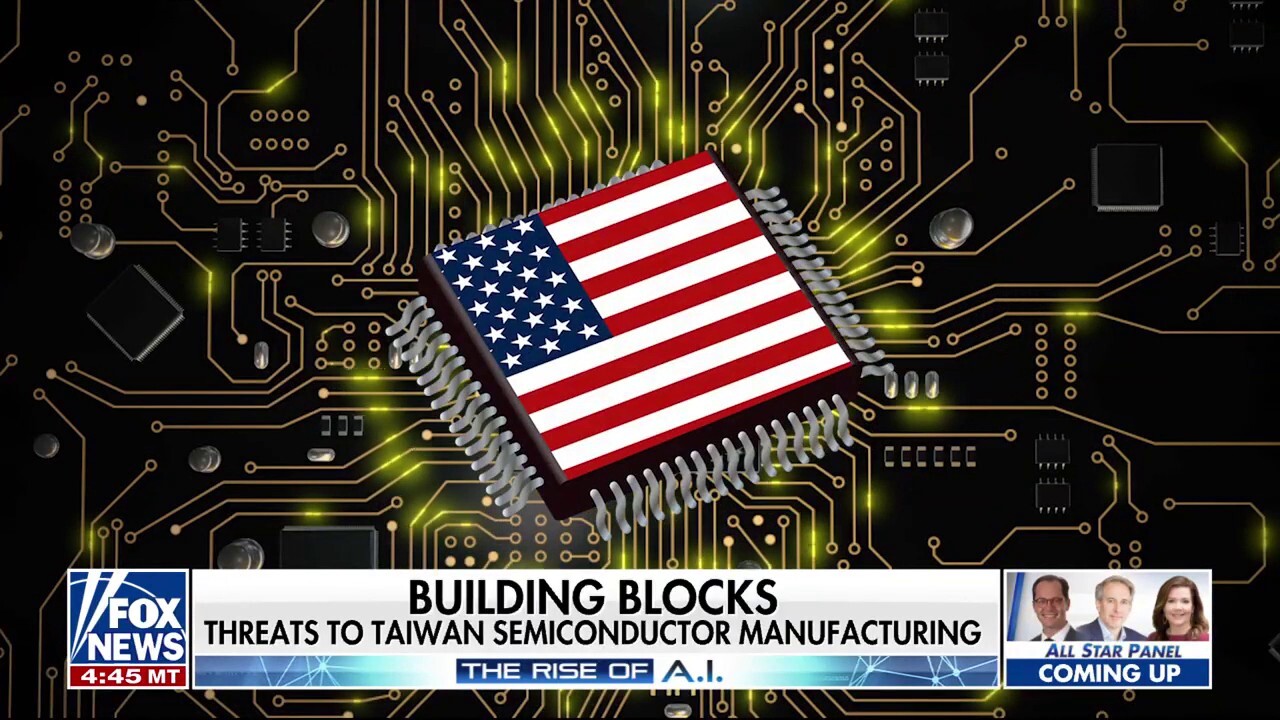
Fox News chief political anchor Bret Baier reports on the global artificial intelligence race on ‘Special Report.’
TL;DR
The Trump administration vows a crackdown on alleged Chinese AI model "distillation," asserting large-scale exploitation of U.S. innovation. This push for stricter controls emerges as a Stanford report confirms the U.S.-China performance gap in top AI models has effectively closed.
Context The Trump administration has accused Chinese-based entities of engaging in deliberate, industrial-scale campaigns to "distill" U.S. artificial intelligence models. This practice involves extracting key capabilities from advanced AI systems to train and improve less capable models. Such actions, the administration states, constitute exploitation of American expertise and innovation, posing a challenge to U.S. dominance in a field seen as critical for economic and military benefits.
Key Facts The administration explicitly accuses Chinese-based entities of conducting large-scale efforts to distill and exploit U.S. AI models. This accusation suggests a coordinated, systemic approach to acquiring advanced AI capabilities. Beijing has countered these claims, with China's embassy in Washington stating opposition to what it calls "unjustified suppression" of Chinese companies by the U.S.
Concurrently, a recent report from Stanford University's Institute for Human-Centered AI states that the performance gap between the U.S. and China in top AI models has effectively closed. This finding indicates a significant narrowing in the global race for AI leadership, intensifying the strategic landscape.
In a related development, the House Foreign Affairs Committee unanimously backed a bipartisan bill. This proposed legislation aims to establish a process for identifying and sanctioning foreign actors that extract key technical features from U.S.-owned, closed-source AI models. The bill targets what proponents describe as "model extraction attacks," aiming to prevent the theft of technological advancements.
What It Means The Trump administration's firm stance, coupled with the bipartisan legislative support, signals an escalating federal focus on intellectual property protection within the critical domain of artificial intelligence. The reported closure of the performance gap between the two nations underscores the intensified global competition and the strategic importance of AI. While distillation can be a legitimate training method, its alleged misuse to rapidly acquire powerful capabilities raises concerns about fair competition and innovation timelines. The ongoing challenge involves implementing effective mechanisms to identify and deter unauthorized AI model exploitation, navigating international relations in the process. Future developments will show how these legislative efforts impact international AI collaboration and the ongoing challenge of securing AI intellectual property.
Continue reading
More in this thread
AI Tool Intentionally Adds Typos to Emails for Human Authenticity
Alex Mercer
Washington Widow Spends Up To $30,000 To Hologram Her Late Husband At His Own Funeral
Alex Mercer
AI Tool Sinceerly Intentionally Adds Typos to Emails to Mimic Human Writing
Alex Mercer
Conversation
Reader notes
Loading comments...