US Special Forces Soldier Charged with Insider Trading After Betting $409k on Maduro Raid
Special forces soldier accused of using classified raid info to win $409k on Polymarket; DOJ files charges, CFTC adds complaint.
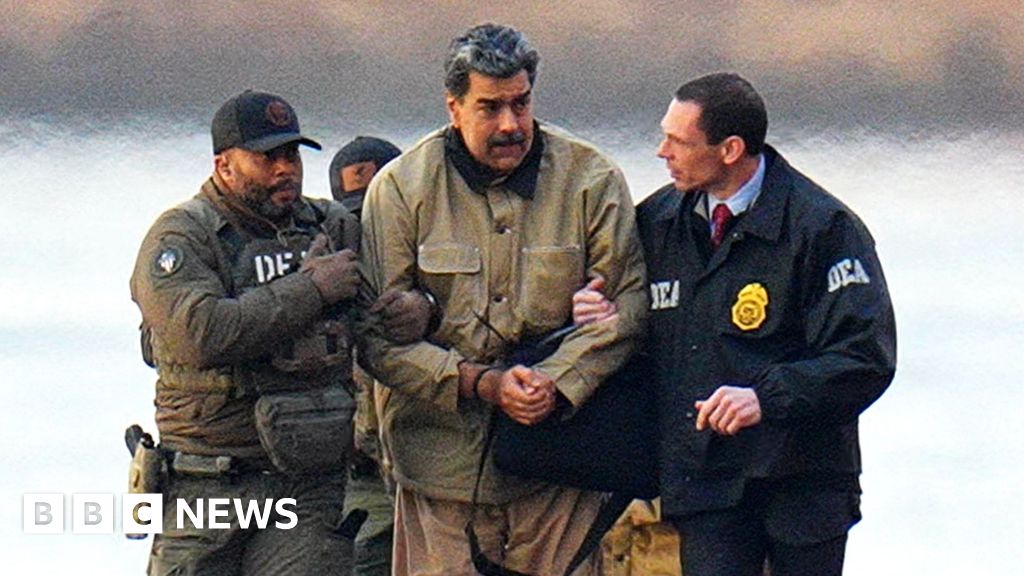
Nicolas Maduro is seen in handcuffs after landing at a Manhattan helipad, escorted by heavily armed Federal agents as they make their way into an armored car en route to a Federal courthouse in Manhattan on January 5, 2026 in New York City.
TL;DR
A U.S. Army special forces soldier was charged with insider trading after winning over $409,000 on bets placed before a classified raid that captured Venezuelan President Nicolás Maduro. The case highlights how prediction‑market platforms can be exploited with non‑public information and the legal limits that apply.
On 3 January 2026, U.S. forces seized Maduro and his wife in Caracas during Operation Absolute Resolve. The operation was classified until after the raid, but soldier Gannon Ken Van Dyke allegedly accessed details while helping plan the mission from early December 2025 through early January 2026. He opened an account on Polymarket, a crypto‑based prediction market where users trade contracts on future events using stablecoins such as USDC. On the day of the raid, Bitcoin (BTC) rose 2.3% to $27,400, giving the cryptocurrency a market cap of roughly $540 billion.
Van Dyke placed bets exceeding $33,000 on the timing and outcome of the raid while holding classified information, according to the Justice Department. Those bets returned more than $409,000, a profit the DOJ calls illegal insider trading. He faces five federal charges: unlawful use of confidential government information, theft of nonpublic data, commodities fraud, wire fraud, and an unlawful monetary transaction. The Commodity Futures Trading Commission also filed a civil complaint alleging the same violations.
Insider‑trading laws cover any material non‑public information, including military plans, and apply equally to novel platforms like prediction markets. Polymarket said it referred the user to authorities and stressed that its system works when abuse is detected. The case may prompt regulators to clarify how existing securities and commodities rules apply to decentralized prediction contracts. Watch for any forthcoming guidance from the CFTC or SEC on trading classified information via crypto‑based markets, and for potential changes to platform KYC and monitoring requirements.
Continue reading
More in this thread
Delaware Senate Passes Banking Modernization Bills with Stablecoin Licensing Framework
David Amara
Broadcom Forecasts $100B AI Chip Revenue by 2027, Outpacing Nvidia's Year-to-Date Gains
David Amara
EU’s ESMA Sets July 2026 Deadline for Crypto Firms to Wind Down or Face €5 Million Fines
David Amara
Conversation
Reader notes
Loading comments...