US Sanctions Waiver Expiry Threatens India's Chabahar Port Project
The lapse of a U.S. sanctions waiver endangers India's $120 million investment in Iran's Chabahar port, risking its strategic corridor to Afghanistan.
Wide landscape preview.
TL;DR: The U.S. sanctions waiver for India’s Chabahar port project expired on Sunday, jeopardizing a $120 million Indian investment and the country’s strategic link to Afghanistan and Central Asia.
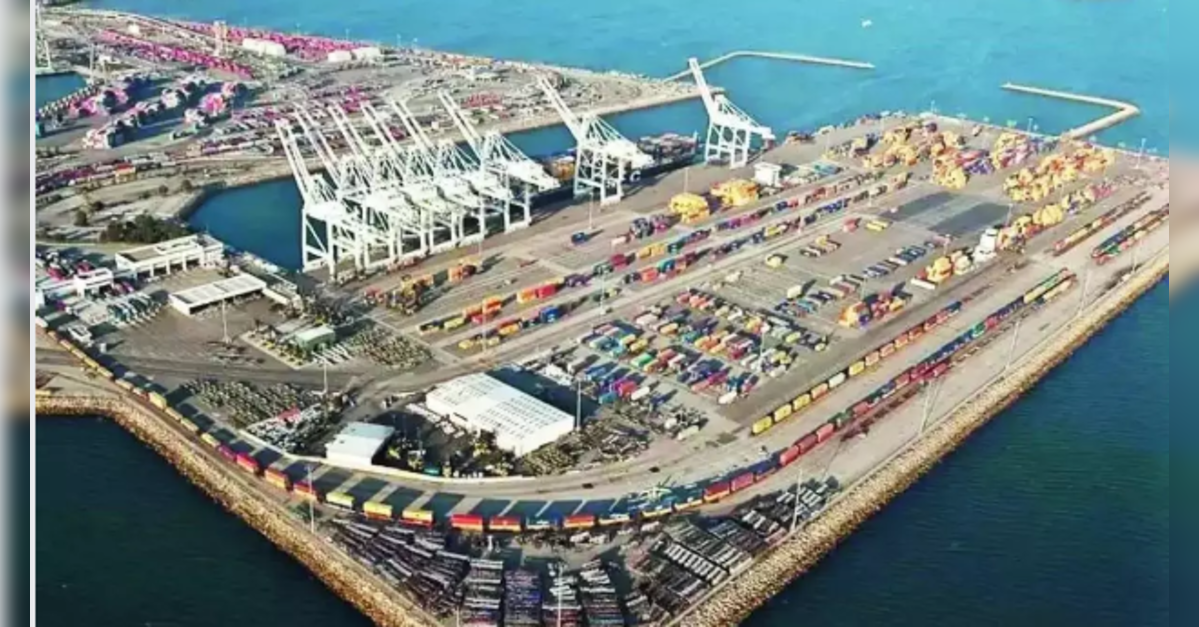
Context India has long viewed the Chabahar port on Iran’s Gulf of Oman coast as a lifeline to landlocked Afghanistan and the broader Central Asian region. The port offers a maritime alternative to overland routes that cross rival Pakistan, and it counters China‑backed Gwadar port just 140 km away. Development began after a 2016 agreement between New Delhi and Tehran, with India pledging $500 million and later spending at least $120 million to equip the Shahid Beheshti terminal.
Key Facts - The U.S. Treasury’s sanctions exemption for Chabahar, first granted in 2018, was extended to April 26 2026 after India promised to wind down operations. That deadline passed on Sunday without a renewal. - India’s investment of $120 million in the Shahid Beheshti terminal remains on the ground, but without a waiver the assets face potential seizure or forced shutdown under U.S. sanctions. - Pawan Khera of the Indian National Congress warned that India’s retreat under U.S. pressure marks a new low in the government’s foreign policy, reflecting domestic criticism of the project.
What It Means The expiry removes the legal shield that allowed Indian firms to operate in a heavily sanctioned environment. If Washington does not issue a new waiver, India could be forced to halt construction, abandon equipment, and write off its investment. The setback would also disrupt the International North‑South Transport Corridor, a 7,200 km network linking Russia, Iran and India, and weaken India’s ability to supply Afghanistan via a sea‑land route.
Strategically, the loss narrows India’s options to bypass Pakistan and limits its counter‑balance to China’s influence at Gwadar. Economically, the $120 million sunk cost adds pressure on New Delhi’s budget and may fuel political backlash ahead of upcoming elections.
Looking Ahead Watch for diplomatic signals from Washington and Tehran in the coming weeks. A renewed waiver would revive the project; a continued denial could push India to seek alternative routes or deepen ties with other regional partners.
Continue reading
More in this thread
EU Commission Chief Says Sanctions Squeeze Russian Economy as Kremlin Tightens Digital Grip
Nadia Okafor
Nigeria’s Education Minister Flags 15 Million Out‑of‑School Children, Calls for Data‑Driven Reform
Nadia Okafor
Farage says Reform UK Pressure Prompted Labour's Bin Strike Truce
Nadia Okafor
Conversation
Reader notes
Loading comments...