US Pulls 5,000 Troops from Germany as Berlin Sends Warship to Hormuz
Washington redeploys 5,000 troops from Germany while Berlin dispatches a minesweeper and supply ship toward the Strait of Hormuz, raising transatlantic tensions.
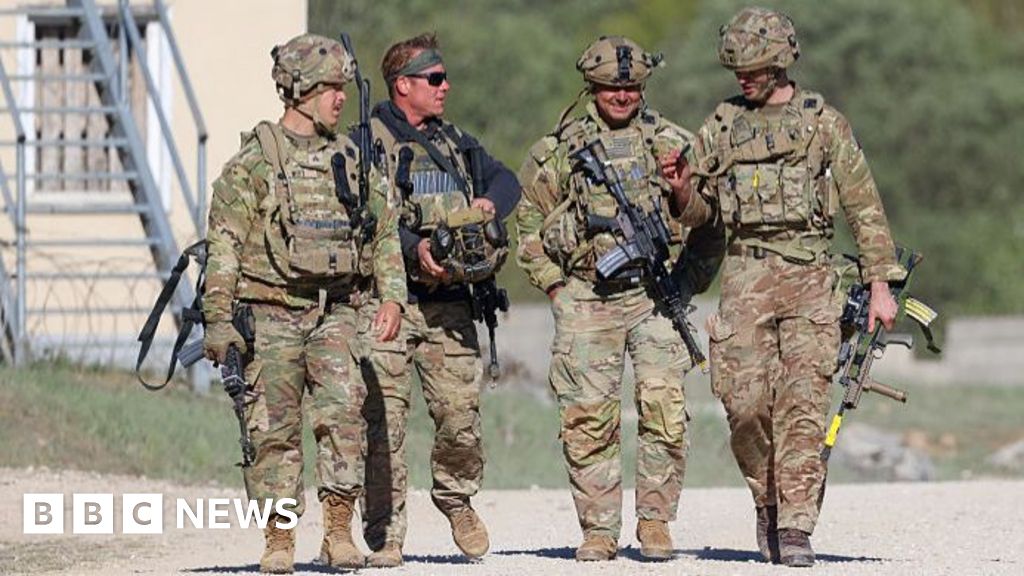
US troops walking during a training exercise in Germany. They carry rifles and wear camo
TL;DR
The United States will move 5,000 troops out of Germany, and Germany has sent a minesweeper and a replenishment vessel toward the Strait of Hormuz, heightening friction between the allies.
Context The troop drawdown follows President Donald Trump's announcement that the United States will redeploy a Stryker Brigade from Vilseck, Bavaria. Germany, meanwhile, launched a minesweeper and a supply ship from the Mediterranean on Monday, bound for the strategic waterway between the Persian Gulf and the Arabian Sea. Both moves occur as the war between Iran and its regional adversaries drags on, testing the US‑Europe security partnership.
Key Facts - The United States plans to withdraw roughly 5,000 soldiers, bringing its German presence back to pre‑2022 levels. - Germany’s naval deployment includes a minesweeper and a replenishment vessel, officially tasked with post‑conflict clearance operations in the Strait of Hormuz. - German officials argue the ships will not engage in combat, but critics note that providing logistical support to a war zone undermines claims of neutrality. - US lawmakers, including Senate and House Armed Services Committee chairs, have voiced “grave concern” over the troop reduction. - The withdrawal may coincide with a pending decision on long‑range missile deployments, such as Tomahawk cruise missiles, that were slated for Germany but have not been formally cancelled.
What It Means The troop pullback reduces the United States’ forward‑deployed footprint in Europe, potentially limiting rapid response options for Middle‑East operations that have relied on German bases like Ramstein and Stuttgart. Berlin’s naval move signals a willingness to take a more active role in securing global shipping lanes, yet it also fuels debate over Germany’s neutrality in the Iran conflict. Lawmakers in both countries warn that the combined actions could erode NATO cohesion at a time when Russian aggression in Ukraine still demands a unified front.
Looking Ahead Watch for NATO’s assessment of the US troop drawdown and for any official clarification from Berlin on the mission parameters of its Hormuz-bound vessels.
Continue reading
More in this thread
Holmes County Primary Records 18% Turnout, Ramaswamy Ticket Wins GOP Nomination
Nadia Okafor
Gaza Couples Face Soaring Costs for Tent Weddings Amid 80% Unemployment
Nadia Okafor
Bill Anderson Defeats Incumbent Kerry McCarver in Cheatham County Republican Mayoral Primary
Nadia Okafor
Conversation
Reader notes
Loading comments...