US Press Freedom Drops to Historic Low as FCC Threatens Broadcaster Licenses
The US falls to 64th in global press freedom rankings while the FCC vows to revoke broadcast licenses for outlets spreading hoaxes.
TL;DR
– The United States slipped to 64th place in the global press‑freedom index, a historic low, as the FCC chair threatens to strip broadcast licenses from stations accused of spreading hoaxes or failing to serve the public interest.
The Reporters Without Borders (RSF) annual tracker recorded a seven‑place drop for the United States, moving from 57th to 64th among 180 nations. Norway topped the list; Eritrea ranked last. The decline continues a decade‑long slide and marks the first time more than half of the world’s countries were classified as “difficult” or “very serious” for press freedom.
RSF’s North America director, Clayton Weimers, warned that the Trump administration has conducted a coordinated assault on press freedom since taking office. He said the United States now faces a “press freedom crisis” with consequences that will linger for years. The report linked the erosion of media independence to both Trump‑era policies and the consolidation of ownership among six major conglomerates: Comcast, Walt Disney, Warner Bros Discovery, Paramount Skydance, Sony, and Amazon.
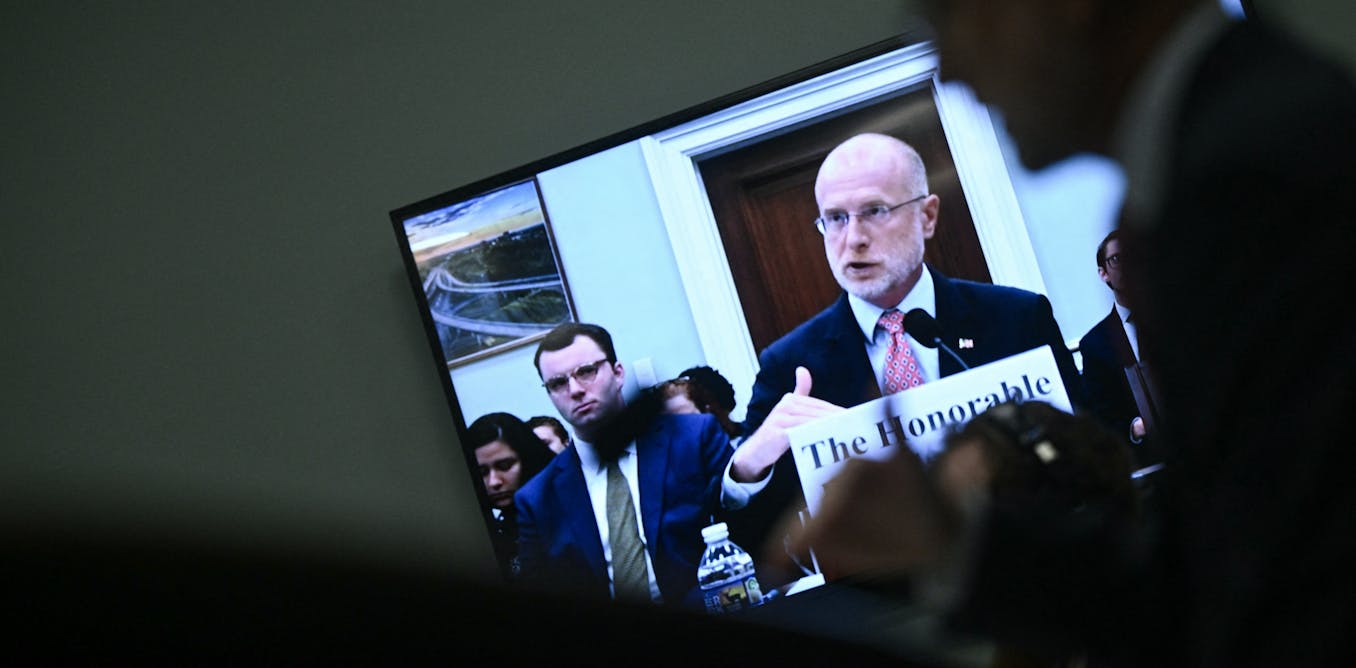
In parallel, Federal Communications Commission (FCC) Chair Brendan Carr announced a policy to revoke broadcast licenses for outlets that “run hoaxes and news distortions” in their coverage of the US‑Israel war with Iran. Carr also warned of license revocation for stations that do not operate in the public interest on issues such as immigration policy. The move follows a series of FCC actions targeting talk‑show hosts and networks, including an investigation of ABC after a late‑night joke about the White House Correspondents Dinner.
The FCC’s stance raises concerns about a chilling effect on local news and investigative reporting. Critics, including Senator Ted Cruz, argue the agency is acting as a “speech police.” Supporters claim the measures protect the public from misinformation. The tension reflects a broader struggle over who defines “public interest” in a media landscape dominated by a handful of corporations.
What it means: The United States now faces heightened scrutiny from international watchdogs and domestic regulators. Media outlets must navigate stricter licensing threats while contending with ownership concentration that may limit editorial diversity. The next test will be how courts and Congress respond to the FCC’s license‑revocation policy and whether any legislative safeguards for press freedom emerge.
Continue reading
More in this thread
House Ends 75‑Day DHS Shutdown, Clears Path for $70 Billion ICE/Border Patrol Funding
Nadia Okafor
Australia’s Under‑16 Social Media Ban Threatens $33 Million Revenue and Fuels Mental‑Health Debate
Nadia Okafor
Australia’s Under‑16 Social Media Ban Threatens $50 Million in Platform Revenue and Fuels Mental‑Health Debate
Nadia Okafor
Conversation
Reader notes
Loading comments...