US Pays Cameroon $30 Million to Accept Deported African Migrants
The US is paying Cameroon $30 million to take nine migrants expelled from the US, a scheme Human Rights Watch says breaches international law.
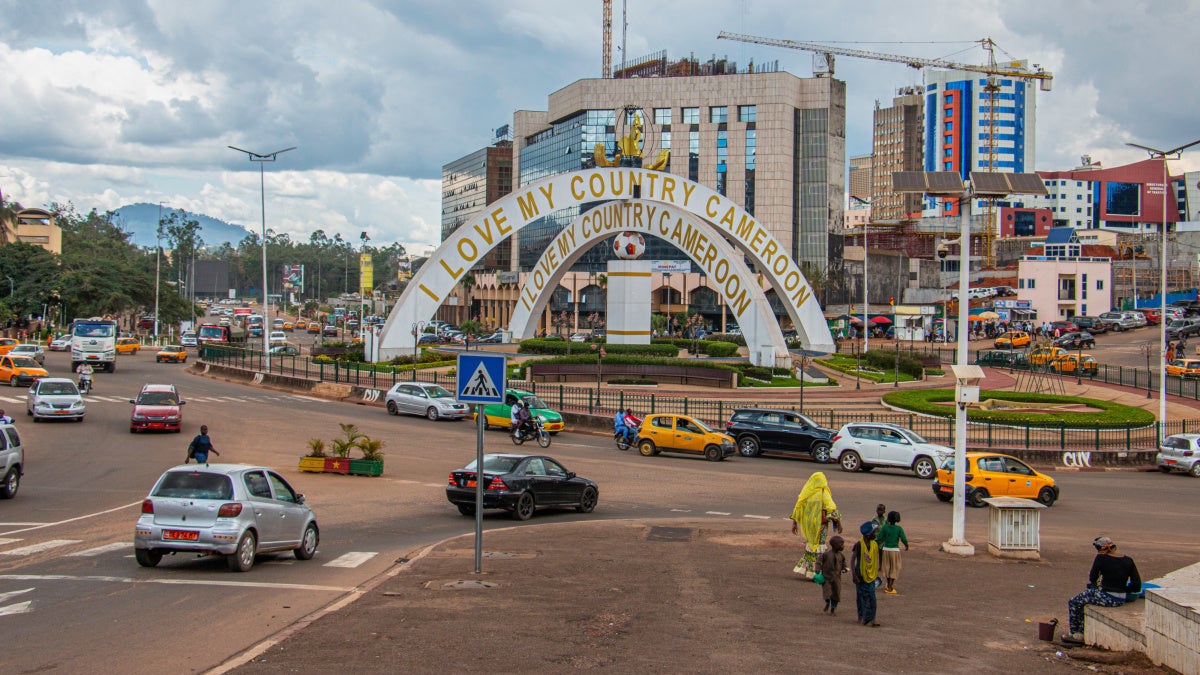
Cars drive through an intersection near a monument in Yaoundé, Cameroon, September12, 2025.
*TL;DR: The United States is paying Cameroon $30 million to receive nine migrants expelled from the US, a practice Human Rights Watch calls illegal under international law.
Context The United States has struck agreements with several African nations to relocate undocumented migrants when removal to their home countries is blocked by US courts. Cameroon joined the program after earlier flights sent seventeen migrants there since January. The latest group arrived on Wednesday, consisting of six women and three men from Ghana, Angola, Ethiopia and Congo‑Brazzaville.
Key Facts - The US is providing Cameroon with $30 million to participate in the deportation scheme, according to reports. - Nine migrants were expelled from the United States this week and transferred to Cameroon. - Prior to this flight, seventeen migrants had been sent to Cameroon; four have already been returned to their countries of origin, while thirteen remain in a Cameroonian‑run centre in partnership with the International Organization for Migration. - Human Rights Watch warned in September that such “opaque agreements” violate international law and should be rejected. - Other African countries with similar deals include Equatorial Guinea, Ghana, Rwanda, South Sudan, Eswatini and the Democratic Republic of Congo.
What It Means The payment underscores Washington’s reliance on third‑country transfers to bypass domestic legal obstacles, shifting responsibility to nations with limited capacity to process asylum claims. Cameroon’s acceptance of the funds and migrants raises questions about compliance with the 1951 Refugee Convention, which obliges states to protect individuals fearing persecution. Human Rights Watch’s criticism highlights the risk that these arrangements could erode international protection standards.
The next step will be to monitor whether Cameroon processes asylum applications for the remaining migrants or proceeds with further transfers, and how US courts respond to challenges against the legality of third‑country deportations.
Continue reading
More in this thread
Conversation
Reader notes
Loading comments...