US Pauses $14 Billion Taiwan Arms Sale to Prioritize Iran Conflict Munitions
The United States has halted a planned $14 billion arms package to Taiwan to conserve munitions for its Iran conflict, according to Acting Navy Secretary Hung Cao.
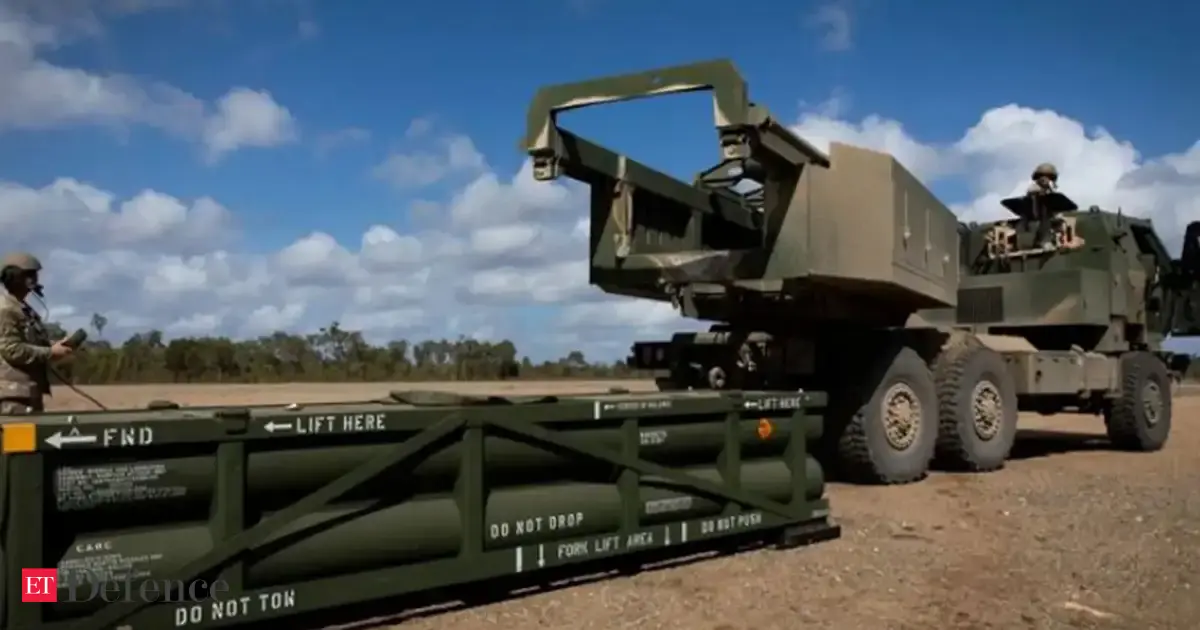
US Pauses $14 Billion Taiwan Arms Sale to Prioritize Iran Conflict Munitions
TL;DR: The United States has paused a $14 billion arms sale to Taiwan to keep munitions stocked for its Iran conflict. Acting Navy Secretary Hung Cao said the pause guarantees enough supplies for the Epic Fury operation while noting current stockpiles are ample.
The pause emerged during a Senate Appropriations Subcommittee on Defense hearing, where Cao explained the decision to lawmakers. He emphasized that the hold is temporary and that foreign military sales will resume once the administration deems it appropriate.
The $14 billion package, if approved, would become the largest ever arms transfer to Taiwan, surpassing the $11 billion deal signed by former President Trump in December. Congress had already authorized the sale in January, but it requires final sign‑off from President Trump.
Cao stated the pause ensures the U.S. has sufficient munitions for the Epic Fury operation, adding that ample supplies are currently on hand. He noted that any move to proceed with the sale would need approval from Secretary of Defense Pete Hegseth and Secretary of State Marco Rubio.
Should the sale go forward, it would exceed the previous record $11 billion arms package for Taiwan, marking a historic increase in U.S. security assistance to the island. The pause reflects the administration’s prioritization of immediate wartime needs over longer‑term arms transfers.
For Taiwan, the delay raises questions about the reliability of U.S. support amid growing pressure from China, which claims the island as its territory. Taiwanese officials have said they will continue seeking arms purchases, but analysts warn the pause could fuel anxiety about future U.S. commitments.
Observers will watch whether the administration lifts the hold after the Iran conflict subsides or if geopolitical considerations lead to a permanent adjustment of the sale. The next signal to watch is any statement from President Trump or the defense chiefs regarding a timeline for resuming the transfer.
Continue reading
More in this thread
Conversation
Reader notes
Loading comments...