US Military Abolishes Annual Flu Shot Requirement After Over 80 Years
Defense Secretary Pete Hegseth announced the end of the US military's 80-year annual flu shot mandate. This decision follows debates over military health mandates.
TL;DR
The US military will no longer require annual flu vaccinations for its service members, abolishing a policy in place for over 80 years. This decision reflects a broader reevaluation of military health mandates.
For over eight decades, the US military mandated annual flu vaccinations for its active duty, reserve, and civilian personnel. This requirement began during World War II, a direct response to concerns that influenza outbreaks could severely compromise military readiness, drawing lessons from the 1918 influenza pandemic's devastating effects. The US Army played a key role in developing the first flu vaccine, with its widespread military application licensed in 1945. Exemptions were historically rare, typically granted only for severe allergies, pregnancy, or sincere religious beliefs.
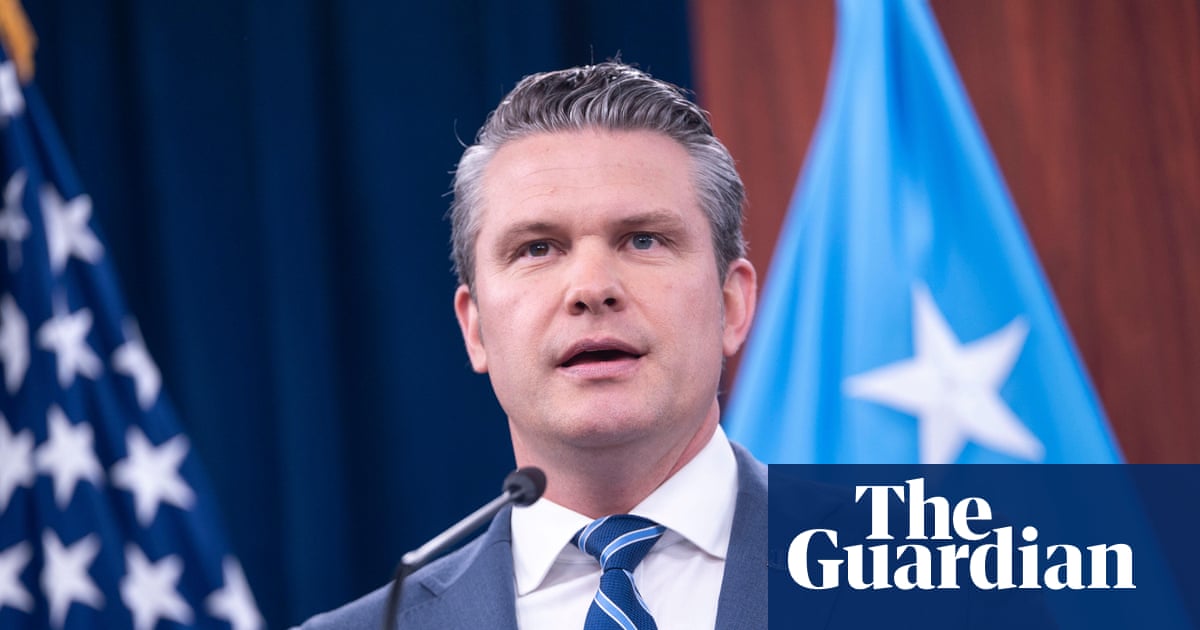
Defense Secretary Pete Hegseth announced the new policy, effectively abolishing the long-standing annual flu vaccination requirement. Hegseth described the previous mandate as "overly broad" and "irrational." He further stated that dropping the requirement removes "absurd overreach that weakens warfighting ability." This policy shift comes after recent contentious debates over mandatory vaccinations within the armed forces. For instance, between 2021 and 2022, approximately 8,000 U.S. service members faced discharge for refusing the COVID-19 vaccine.
The new policy allows service members to choose whether to receive the flu vaccine. Hegseth emphasized that if a "warrior" believes the vaccine is beneficial, they are free to take it, but coercion will not occur. This decision marks a significant departure from long-standing military health protocols, shifting towards individual discretion for certain medical interventions. The move aligns with a broader trend of re-evaluating military mandates, particularly following the rescinding of the COVID-19 vaccine requirement in September and subsequent efforts to reinstate service members discharged under that policy. The Pentagon's memorandum confirming the policy applies to all components of the armed forces and civilian personnel.
Future observation will focus on how this policy change affects overall military health and readiness, alongside its implications for individual autonomy within the armed forces.
Continue reading
More in this thread
Nigeria Charges Six with Terrorism and Treason Over Alleged 2025 Coup Plot
Nadia Okafor
Carney appoints bipartisan advisory panel as US tariffs hit Great Depression‑era levels
Nadia Okafor
Ex-Official Says No 10 Pressured Swift Mandelson Ambassador Appointment
Nadia Okafor
Conversation
Reader notes
Loading comments...