US Hands 22 Iranian Sailors to Pakistan as Confidence‑Building Gesture
The US handed 22 crew members of the seized Iranian ship Touska to Pakistan, which calls the move a confidence‑building step amid rising Strait of Hormuz tensions.
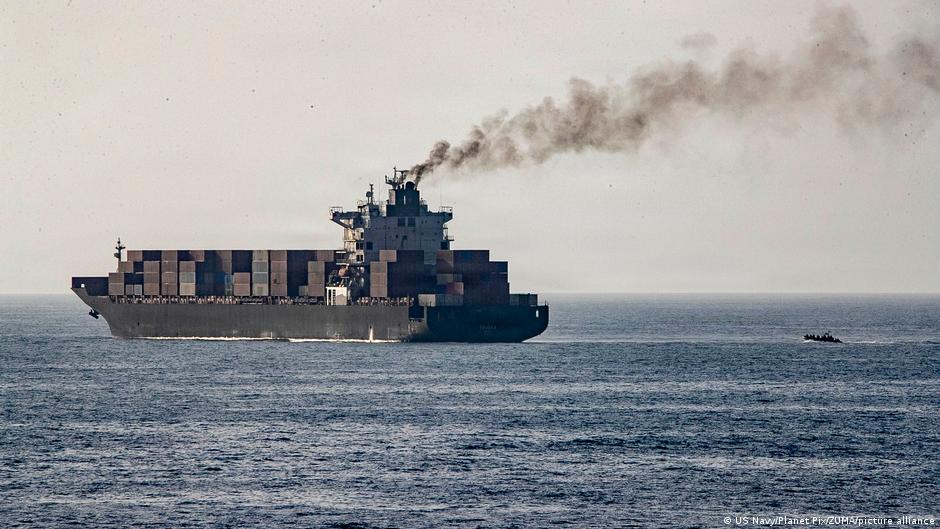
An Iranian shipping container in the Gulf of Oman
*TL;DR: The United States delivered 22 Iranian sailors from the seized container ship Touska to Pakistan, which frames the handover as a confidence‑building step in the fraught Strait of Hormuz.
Context The Iranian‑flagged container vessel Touska was seized by U.S. forces in the Gulf of Oman on April 20 after the crew allegedly ignored a U.S. naval blockade of Iranian ports. The capture, described by Tehran as piracy, heightened already volatile tensions in the strategic Strait of Hormuz, where Iran has restricted shipping and the United States has deployed naval assets to escort commercial vessels.
Key Facts - The United States transferred 22 crew members of the Touska to Pakistan for repatriation. Captain Tim Hawkins, spokesperson for U.S. Central Command (CENTCOM), confirmed the handover was intended to return the sailors to Iranian authorities. - Pakistan’s foreign ministry announced the transfer, labeling it a “confidence‑building measure” between Washington and Tehran. The statement emphasized Islamabad’s role as a mediator seeking to keep diplomatic channels open. - The crew’s release follows a series of escalatory actions: Iran’s new map expanding its claimed control zone in the Strait, a reported missile strike on a U.S. vessel near Jask Island, and President Trump’s “Project Freedom” to guide stranded ships through the waterway.
What It Means Pakistan’s framing of the handover as a confidence‑building measure signals its intent to position itself as a regional broker. By facilitating the sailors’ return, Islamabad hopes to create a modest diplomatic opening that could ease the immediate risk of further naval incidents. However, the broader strategic environment remains unchanged; Iran continues to assert expanded maritime claims, and U.S. naval operations persist.
The episode illustrates how limited humanitarian gestures can be leveraged for diplomatic signaling, yet they do not resolve the underlying dispute over navigation rights and sanctions. Observers will watch whether Pakistan can translate this modest step into sustained dialogue or if the Strait of Hormuz will see renewed confrontations.
Looking ahead, the next indicator will be any formal follow‑up talks between the United States, Iran, and Pakistan, and whether the confidence‑building narrative extends beyond crew repatriation to concrete de‑escalation measures.
Continue reading
More in this thread
Conversation
Reader notes
Loading comments...