US GDP Grows 2% as Oil Prices Surge Amid Iran Conflict
US output rose 2% in Q1 2026 while Brent hit $126 per barrel and inflation climbed to 3.3%, shaping the political backdrop for the November elections.
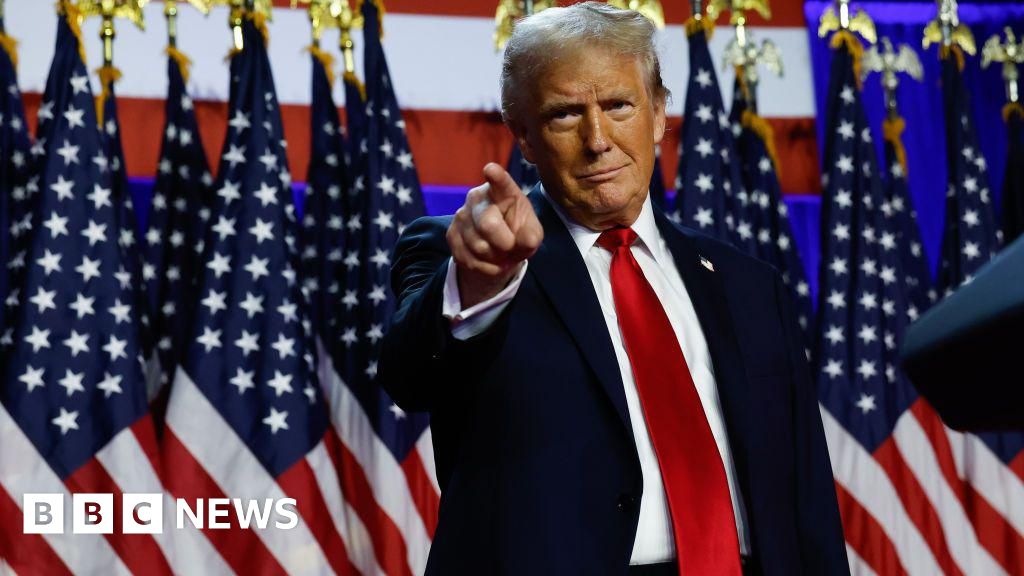
Donald Trump, against a backdrop of American flags, points to a crowd and smiles while wearing a navy blue suit with a long red tie.
TL;DR: The U.S. economy expanded 2% annualised in Q1 2026 despite a four‑year‑high Brent price of $126 per barrel and March inflation at 3.3%.
Context The first quarter of 2026 arrived with the Iran‑Israel war entering its third month, driving a global energy shock comparable to the 1970s oil crises. Higher fuel costs have pushed everyday prices upward, putting pressure on American households just weeks before the November midterms.
Key Facts - Gross domestic product, the broad measure of economic activity, rose 2% on an annualised basis in Q1 2026, reversing a slowdown at the end of 2025. - Brent crude, the international oil benchmark, peaked at $126 per barrel, the highest level in four years, before easing to around $111. - March consumer‑price inflation reached 3.3% year‑over‑year, the nearest to a two‑year high and up from 2.4% in February. - Consumer spending grew 1.6% annualised, while investment in artificial‑intelligence projects by technology firms drove much of the overall growth. - The Federal Reserve left its policy rate unchanged between 3.5% and 3.75%, eliminating expectations of near‑term cuts; 30‑year mortgage rates rose to 6.3%. - Major stock indices recovered early‑war losses, with the Nasdaq up about 10%, the S&P 500 up 5%, and the Dow Jones up just over 1%.
What It Means The 2% growth figure offers a headline‑positive narrative for the incumbent administration, but the surge in oil prices and the resulting 3.3% inflation rate tighten household budgets. Higher fuel costs have lifted gasoline prices to roughly $4.30 per gallon, a level that could influence voter sentiment more than abstract GDP numbers. The Federal Reserve’s decision to hold rates steady signals that monetary policy will remain restrictive until inflation shows a sustained decline, potentially delaying any rate‑cut cycle until 2027.
Investors have benefited from a rebound in equity markets, cushioning retirement accounts tied to stocks. However, the broader electorate will likely weigh the cost‑of‑living squeeze against the growth headline when casting ballots in November. The trajectory of the Iran conflict, particularly any resolution that eases the Strait of Hormuz blockade, will be a key variable in future oil price movements and inflation trends.
Looking ahead, monitor oil price volatility, the Fed’s policy stance, and consumer‑price data for signals on whether inflation will recede before the election season intensifies.
Continue reading
More in this thread
House Passes Farm Bill After Stripping Pesticide Protection Provision
Nadia Okafor
England’s Renters’ Rights Act Bans No‑Fault Evictions and Sets 2030 Energy Standards
Nadia Okafor
NYC Council Approves Vaccine Education Bills Amid One‑Third of Toddlers Unvaccinated
Nadia Okafor
Conversation
Reader notes
Loading comments...