US Disburses $187.3 Million to Nigeria as Lawmakers Push Aid Cuts
The US delivered $187.3 million to Nigeria in 2026; Congress may withhold half of future aid pending security and accountability benchmarks.
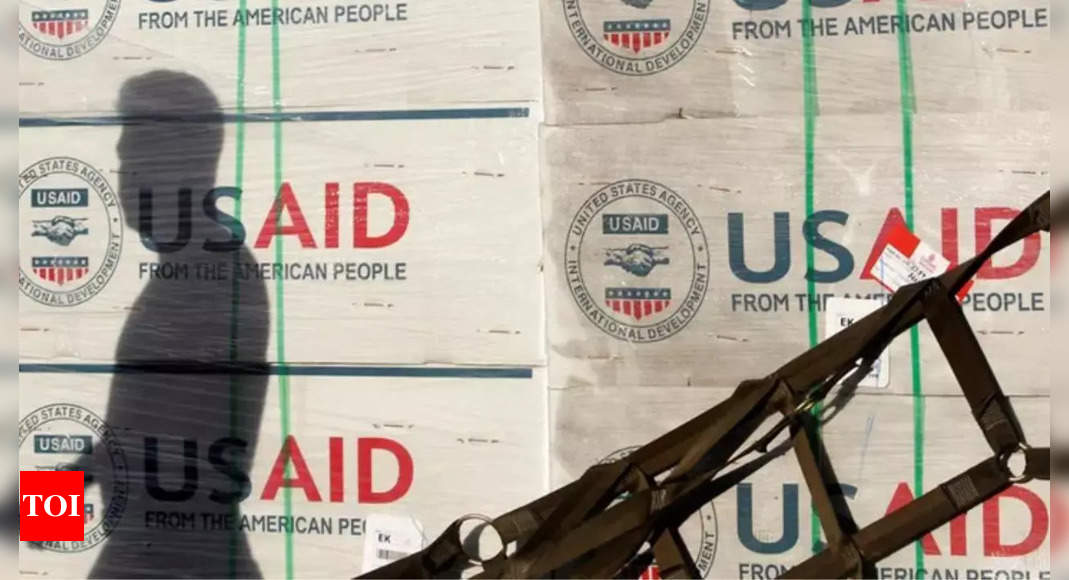
US Disburses $187.3 Million to Nigeria as Lawmakers Push Aid Cuts
*TL;DR: The U.S. provided $187.3 million to Nigeria in 2026, making it the region’s second‑largest aid recipient, while Congress considers a bill that could cut up to 50 % of future assistance until security and human‑rights conditions improve.
Context The U.S. State Department released its 2026 foreign assistance report on May 20, showing a total disbursement of $187,352,312 to Nigeria. The funds flowed mainly through the U.S. Agency for International Development (USAID), which accounted for $186,715,308 of the total. Smaller portions came from the State Department, Defense Department, Interior, Agriculture and Transportation agencies.
Key Facts - Nigeria ranked second among sub‑Saharan African nations receiving U.S. aid in 2026, behind Ethiopia. - USAID delivered over 99 % of the assistance, reflecting the program’s focus on development, health and governance projects. - A House Appropriations Committee proposal for the 2027 budget would allow up to half of all U.S. aid to Nigeria to be withheld until the Secretary of State certifies measurable progress on three fronts: reducing insecurity, protecting vulnerable groups, and holding perpetrators of violence accountable. - The same proposal adds cost‑sharing requirements and ties future funding to improvements in counter‑terrorism, human‑rights protections and humanitarian response. - The bill still needs approval from the full Congress and the President before it can take effect.
What It Means The current disbursement underscores Nigeria’s strategic importance to U.S. foreign policy, especially in counter‑terrorism and regional stability. However, the legislative push signals growing frustration in Washington over persistent violence, including attacks on Christian communities that the Nigerian government denies are religiously motivated. By conditioning future aid on security benchmarks, lawmakers aim to pressure Abuja to accelerate reforms in its security sector and improve accountability mechanisms.
If the bill passes, Nigeria could see a sharp reduction in development funding, potentially stalling projects in health, agriculture and infrastructure that rely on U.S. support. Conversely, the threat of cuts may compel the Nigerian government to prioritize reforms, a move that could enhance long‑term stability and open the door for renewed assistance.
Looking ahead, monitor the progress of the 2027 appropriations bill through the House, Senate and presidential review, and watch for any diplomatic signals from the State Department regarding Nigeria’s compliance with the proposed conditions.
Continue reading
More in this thread
Russian Missile Strike Wipes Out Half of Kyiv's Chernobyl Museum Collection
Nadia Okafor
US Strikes Southern Iran While Tehran Restores Internet and Sends Envoys to Qatar
Nadia Okafor
U.S.-Iran Talks Stall, Toddler Struck on Beach, Denver Turf Heads to World Cup
Nadia Okafor
Conversation
Reader notes
Loading comments...