US Calls Europe a Terrorism Incubator in New Counter‑Terrorism Strategy
The Trump administration labels Europe an incubator for terror, steps up strikes on Latin American drug vessels, and demands more from allies.
TL;DR: The United States now brands Europe an “incubator” for terrorism, pairs that claim with a surge in strikes on Latin American drug vessels, and demands greater counter‑terror contributions from allies.
Context The administration unveiled a counter‑terrorism strategy that singles out Europe’s immigration policies and open borders as fertile ground for hostile groups. The document also expands the U.S. focus to include violent left‑wing factions and drug cartels operating in the Western Hemisphere.
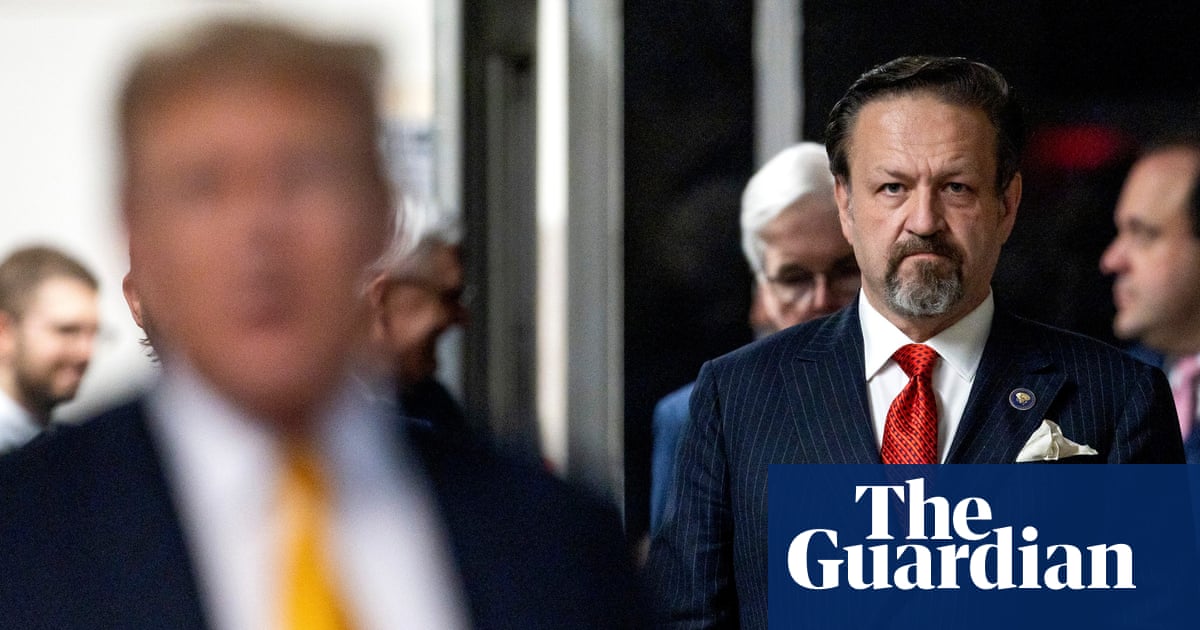
Key Facts - The strategy asserts that organized hostile groups exploit open borders and “globalist ideals,” warning that expanding “alien cultures” and persistent European policies guarantee more terrorism. - It labels Europe both a “terror target” and an “incubator of terror threats,” despite acknowledging the continent as a long‑term partner in counter‑terrorism. - Counter‑terrorism coordinator Sebastian Gorka emphasized that Europe must halt what the strategy calls a “willful decline” to protect Western values. - The same policy framework places drug cartels at the center of U.S. security concerns, noting that strikes on alleged drug‑trafficking vessels in Latin American waters have killed at least 191 people since early September. - Gorka told reporters that the United States will judge allies by their contributions, stating the president expects “more” from partners and will measure seriousness by what they bring to the table. - The plan targets “violent left‑wing extremists,” including anarchists, anti‑fascists, and groups described as “radically pro‑transgender,” reflecting the administration’s broader cultural agenda.
What It Means Europe faces heightened diplomatic pressure to tighten border controls and increase intelligence sharing, or risk being labeled a security liability. The demand for greater financial and operational input could strain NATO cohesion, especially as the U.S. simultaneously escalates lethal operations against drug vessels in the Caribbean and Pacific. Allies may be forced to choose between deeper counter‑terror cooperation and domestic political backlash over the administration’s rhetoric on migration and gender issues.
Watch for upcoming meetings between U.S. officials and European defense ministers, where concrete contribution targets are expected to be set, and for any shift in U.S. engagement with Latin American partners on anti‑drug operations.
Continue reading
More in this thread
Conversation
Reader notes
Loading comments...