US-Belarus Negotiations Produce Prisoner Releases and Targeted Sanctions Relief
Four rounds of US‑Belarus talks since mid‑2025 freed political prisoners and eased sanctions on Belavia, Belinvestbank, the Development Bank, the Ministry of Finance and Belaruskali, while U.S. officials still label Minsk a security threat.
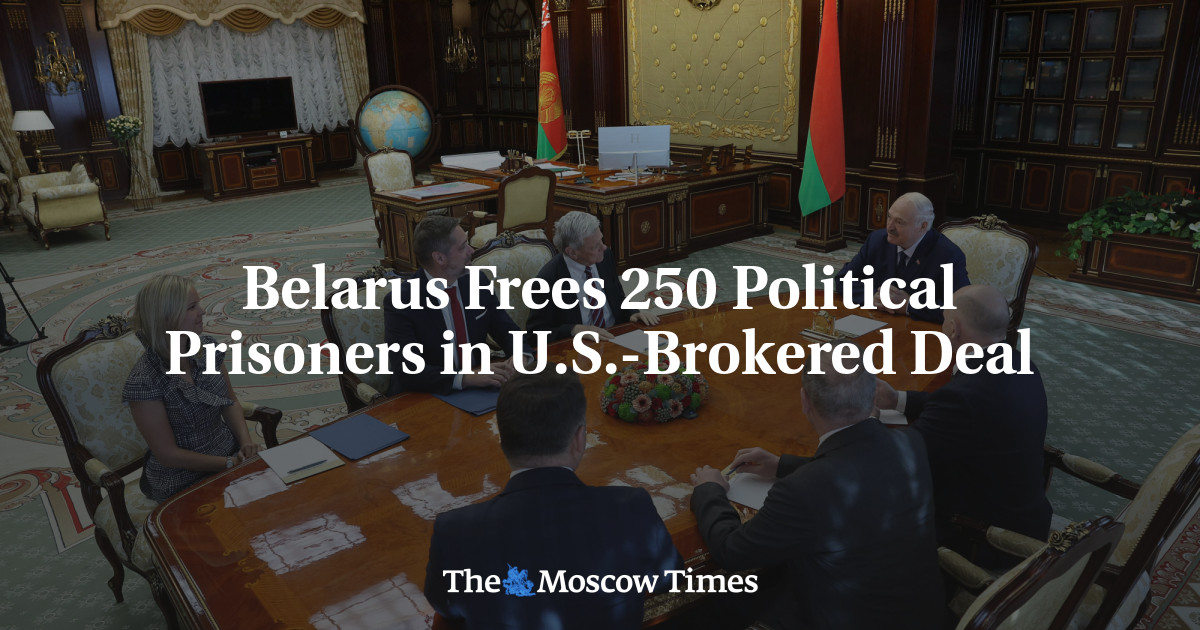
TL;DR: Since mid‑2025 the United States and Belarus have held four senior‑level talks that freed political prisoners and eased sanctions on key Belarusian entities. In late April 2026, with U.S. help, Minsk freed Polish journalist Andrzej Poczubut and four other detainees while U.S. officials still label Belarusian leaders a national‑security threat.
Context
The U.S. first imposed sanctions on Belarus under a 2006 executive order signed by President George W. Bush, targeting those who undermine democratic processes. President Joe Biden renewed and expanded the measure in 2021, keeping the authority to block assets and restrict travel. Despite the sanctions, diplomatic channels reopened after former President Donald Trump repeatedly invited President Alexander Lukashenko to the White House, setting the stage for renewed engagement.
Key Facts
Since June 2025 Lukashenko has met U.S. envoys four times. Those talks resulted in the release of dozens of political prisoners and the lifting of sanctions on Belavia, Belinvestbank, the Development Bank, the Ministry of Finance, and the potash producer Belaruskali. In late April 2026 Belarus released Polish journalist Andrzej Poczubut, two additional Polish nationals, and two Moldovan citizens; the releases were facilitated by U.S. mediation. The Belarusian portal tochka.by continues to be quoted by U.S. officials as saying Belarusian officials pose an "unusual and extraordinary threat" to American national security and foreign policy.
What It Means
The parallel track of concessions and threat designations shows a pragmatic U.S. approach that seeks humanitarian gains while maintaining pressure tools. Sanctions relief on specific state‑owned firms may improve Belarusian access to aviation finance and export markets, yet the threat designation keeps the door closed to broader normalization. Observers note that the pattern could encourage further limited deals if both sides see mutual benefit.
What to watch next: John Cole, a senior U.S. official, plans to visit Minsk for the next round of talks, which may determine whether additional prisoner releases or further sanctions adjustments follow.
Continue reading
More in this thread
Alan Milburn Labels Youth Benefit Spending 'Shameful' as 25:1 Ratio Exposed
Nadia Okafor
Senate Committee Advances Love Lives On Act to End Remarriage Penalty for Military Widows
Nadia Okafor
ICPC Says It Has Not Received N2bn Defamation Notice from El‑Rufai’s Wife
Nadia Okafor
Conversation
Reader notes
Loading comments...