US Aid Overhaul Ties $1.6B Kenya Deal to HIV Drug Priced at $14,000 at Home, $20 Abroad
The US will provide Kenya $1.6 billion under a new aid policy tied to healthcare, including lenacapavir, an HIV drug priced at $14,000 in the US and $20 in East Africa.
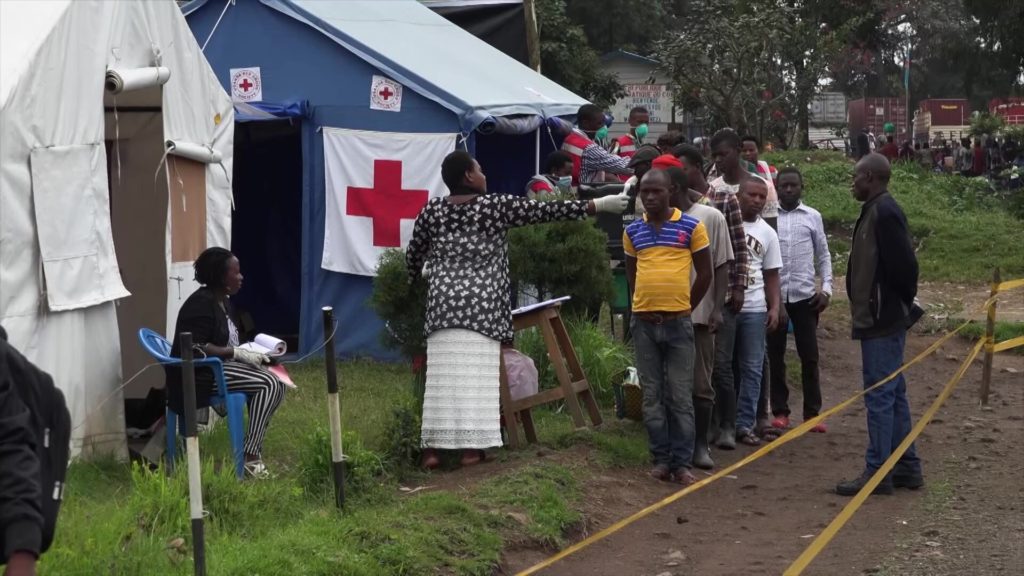
A new US aid package for Kenya links $1.6 billion to healthcare initiatives, including the rollout of an HIV prevention drug, lenacapavir, which costs $14,000 per dose in the US but may be available for $20 in East Africa.
The United States is implementing a revised global health aid strategy, moving towards direct partnerships with recipient governments. This policy aims to streamline assistance, requiring partner nations to co-finance programs and promoting American-developed products. A central element of this approach involves the strategic rollout of lenacapavir, an advanced HIV prevention drug.
This medication, an injectable administered every six months, has demonstrated nearly 100% effectiveness in preventing HIV infection in clinical trials, offering an alternative to daily oral medications. The U.S. Food and Drug Administration approved lenacapavir in June of last year. In the United States, its list price stands at $14,000 per dose.
Under this new policy, the United States will provide Kenya $1.6 billion over five years for health initiatives, while Kenya will contribute $850 million. This joint financial commitment targets critical public health challenges including HIV, tuberculosis, and malaria, with a specific focus on young women. This framework facilitates the broader deployment of lenacapavir, which illustrates a significant pricing discrepancy across regions.
Generic manufacturers, licensed by Gilead Sciences, are set to produce lenacapavir for low- and middle-income countries. For instance, QCIL in Uganda projects it can manufacture up to 11 million doses within 3.5 years for East African nations. These generic versions are anticipated to cost as low as $20 per dose, creating a substantial contrast with the drug's US price.
This dual pricing structure and direct engagement model underscore the evolving landscape of global health assistance. The policy prioritizes direct government collaboration and aims to leverage US pharmaceutical innovations for broader access. The significant financial contributions from both the United States and Kenya are intended to strengthen the nation's health infrastructure and enhance disease prevention. This approach ensures access to vital medication while presenting a notable economic divergence in drug costs depending on the market and specific aid agreements. Observers will track how this revised aid strategy influences pharmaceutical accessibility and public health outcomes globally.
Continue reading
More in this thread
UK Biobank confirms half‑million volunteers’ data advertised on Alibaba
Dr. Priya Sharma
Two Children Perish in Blue Mountains House Fire as Firefighters Deem Entry Too Dangerous
Dr. Priya Sharma
AMA Urges Congress to Enforce Safeguards After AI Chatbots Linked to Suicide Reports
Dr. Priya Sharma
Conversation
Reader notes
Loading comments...