UN report links clean‑energy mineral boom to water crises and health harms in Global South
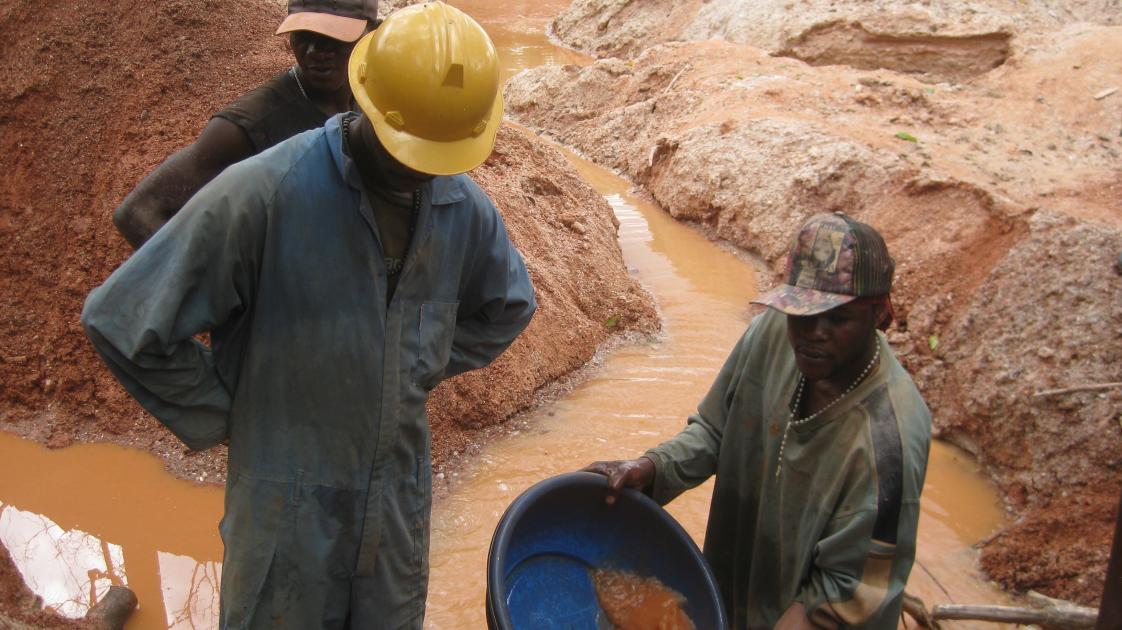
The UNU‑INWEH study finds that rising demand for lithium, cobalt and other critical minerals is depleting and contaminating freshwater in water‑stressed parts of the Global South, raising health risks while benefits accrue mainly to wealthy nations.
TL;DR
A UN‑backed report says the surge in demand for lithium, cobalt and other transition minerals is draining and polluting water supplies in many low‑income countries, leading to health problems while the economic gains stay mostly in wealthy nations.
Context The United Nations University Institute for Water, Environment and Health released a study that ties the extraction of minerals used in solar panels, wind turbines and batteries to worsening water insecurity. It notes that wealthy nations’ push for cleaner energy shifts environmental and social costs onto mineral‑producing countries, especially in the Global South. The report highlights that women and children, who often collect water, face the greatest exposure to contaminated sources.
Key Facts Global demand for critical minerals has tripled since 2010, with cobalt demand climbing 70% between 2017 and 2022. Lead author Abraham Nunbogu states that mining of lithium, cobalt, copper and rare earths depletes and contaminates freshwater, particularly in water‑stressed areas. The report projects that to meet Paris Agreement goals, demand for lithium, graphite and cobalt could rise fourfold by 2050.
What It Means The findings show a structural imbalance: clean‑energy technologies deliver climate benefits primarily to consumers and industries in the Global North, while local communities bear water depletion, pollution and related health issues such as skin diseases and gynecological problems. Without stronger governance, the mineral boom risks deepening inequality and undermining the very climate goals it aims to support.
Watch for upcoming international negotiations on binding mineral‑governance frameworks and whether major economies adopt stricter water‑use and zero‑discharge standards for mining operations.
Continue reading
More in this thread
Conversation
Reader notes
Loading comments...