UN Report Links Clean‑Energy Mineral Rush to Water Crisis and Inequality
UN study warns that rising demand for lithium, cobalt and other minerals threatens freshwater and deepens inequality in mining nations.
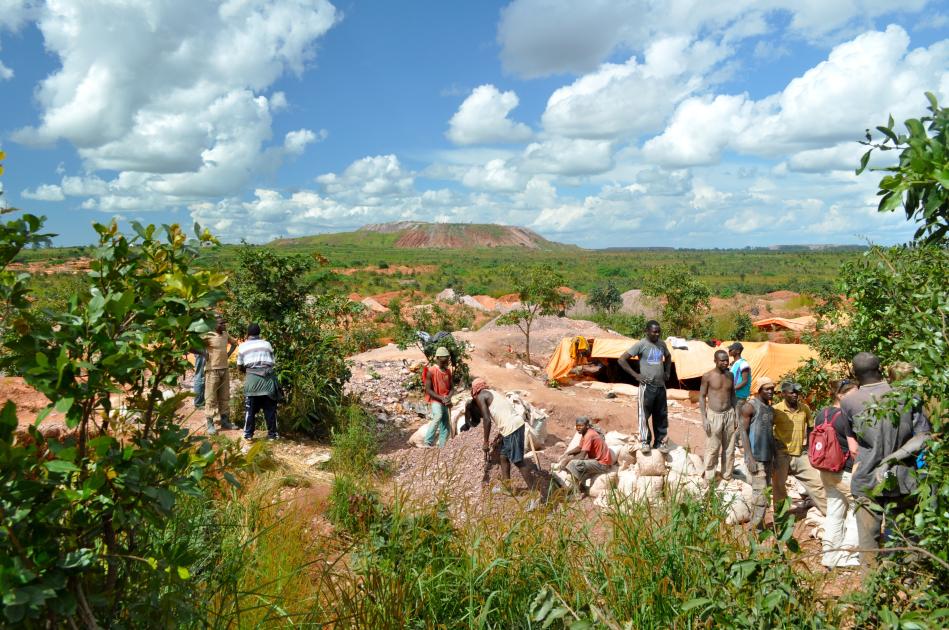
TL;DR: The UN University’s water institute says the surge in minerals for green tech is draining and contaminating freshwater in water‑stressed regions, while most benefits flow to wealthy nations.
Context The United Nations University Institute for Water, Environment and Health released a report that ties the global push for renewable energy to mounting water insecurity in mineral‑rich countries. Researchers examined mining sites across the Global South, focusing on how extraction of lithium, cobalt, copper and rare earth elements affects local water supplies.
Key Facts - Between 2010 and 2023, global demand for critical minerals tripled; cobalt demand alone rose 70 % from 2017 to 2022. The authors project that demand for lithium, graphite and cobalt could quadruple by 2050 to meet Paris Agreement targets. - Field observations and water‑quality testing show that mining operations directly deplete freshwater and introduce heavy metals into rivers and aquifers. Communities already facing water scarcity report reduced access to safe drinking water and higher rates of skin, gynecological and chronic illnesses linked to contaminated water. - The report highlights a stark distribution of benefits and harms: consumers and industries in the Global North reap the climate‑friendly advantages, while the environmental and health burdens fall on the Global South. Women and children, who often collect water, face the greatest exposure. - In the Democratic Republic of Congo, which supplies over 60 % of the world’s cobalt, foreign‑controlled mines dominate production. Despite the country’s mineral wealth, 80 % of cobalt output is owned by foreign firms, leaving little economic gain for local populations while water sources suffer severe pollution.
What It Means The findings call for a shift from voluntary industry standards to binding international regulations that protect water resources and human rights. Recommendations include enforceable water‑use limits, zero‑discharge policies for toxic effluents, and accountability mechanisms that ensure mining profits benefit host communities. Without such safeguards, the clean‑energy transition could exacerbate water scarcity and deepen global inequality.
What to watch next: Negotiations at upcoming UN climate and trade forums on establishing mandatory water‑safety standards for critical‑mineral supply chains.
Continue reading
More in this thread
Ukraine's Triple Drone Strike on Tuapse Refinery Triggers Toxic Black Rain and Ecological Crisis
Dr. Leo Tanaka
Germany to Cancel EU Carbon Allowances for 14 Coal Plant Closures in 2024
Dr. Leo Tanaka
Germany to Cancel EU Carbon Allowances from 14 Coal Plant Closures in 2024
Dr. Leo Tanaka
Conversation
Reader notes
Loading comments...