UN Chief Says NPT Influence Declines as Nuclear Arms Race Risk Peaks
UN chief says the Nuclear Non-Proliferation Treaty is losing influence as experts warn the nuclear arms race risk is at an all‑time high.
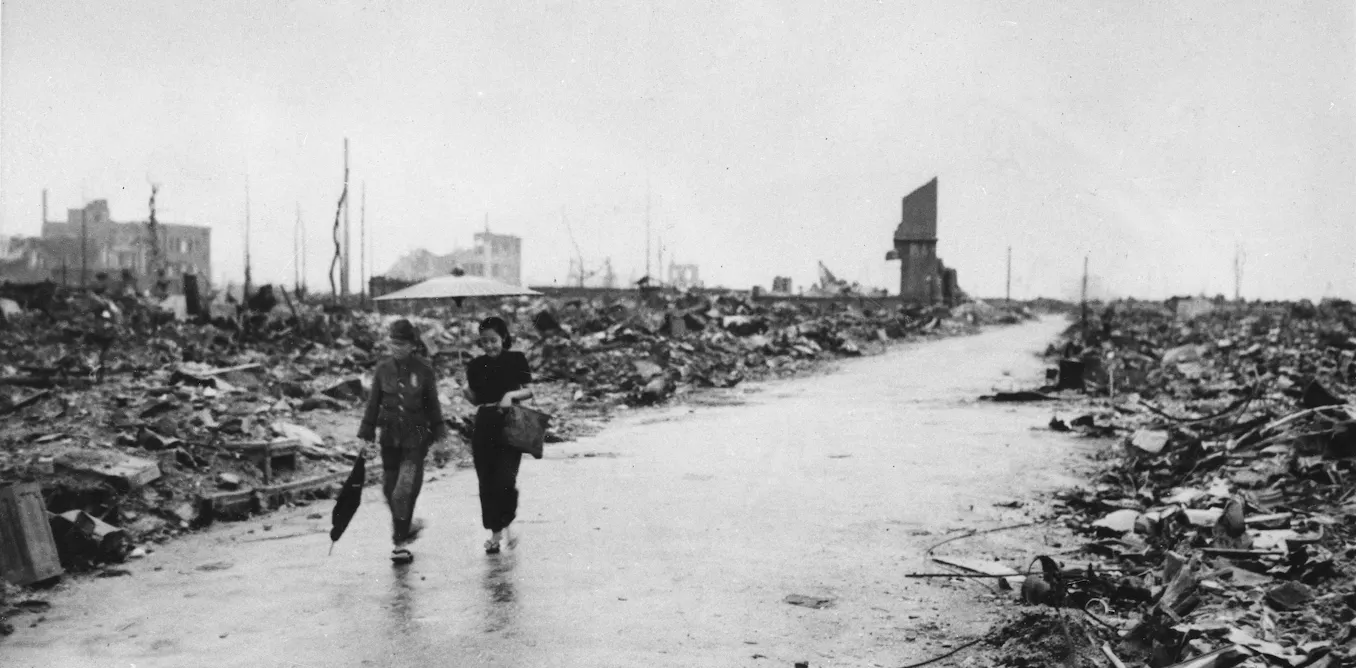
*TL;DR: The UN chief warns the Nuclear Non-Proliferation Treaty’s influence is waning as experts deem the risk of a new nuclear arms race at a record high.
The Nuclear Non-Proliferation Treaty (NPT) remains the world’s most extensive arms‑control pact, binding 191 nations to a simple promise: non‑nuclear states will not acquire nuclear weapons, and nuclear‑armed states will move toward disarmament. The treaty underpins global security architecture and guides the International Atomic Energy Agency’s verification work.
In recent years, implementation gaps have emerged. Diplomatic setbacks, stalled disarmament talks, and regional tensions have eroded confidence in the treaty’s effectiveness. The United Nations secretary‑general highlighted these trends in a recent address, noting that the NPT’s moral and political weight is diminishing.
Experts and diplomats now warn that the probability of a renewed nuclear arms race is higher than ever. Analysts point to modernisation programmes in the United States and Russia, the emergence of new nuclear powers, and heightened rhetoric in the Middle East as accelerants. The risk assessment reflects not only the number of warheads but also the speed at which advanced delivery systems are being fielded.
The United States and Israel’s ongoing conflict with Iran adds a volatile layer. Both nations have signaled willingness to expand or accelerate nuclear capabilities if diplomatic avenues fail. Such moves could undermine the NPT’s core principle that nuclear weapons remain the exclusive domain of a few states.
Policy makers are debating whether a comprehensive NPT review could tighten verification, impose stricter penalties for violations, or expand the treaty’s scope to cover emerging technologies like hypersonic weapons. Proposals also include bolstering the role of the International Atomic Energy Agency to close inspection gaps.
If the NPT’s influence continues to erode, the international community may face a fragmented regime where bilateral deals replace multilateral norms. The next UN General Assembly session will test whether member states can rally around a renewed NPT framework or accept a more fragmented security landscape.
What to watch next: Negotiations at the upcoming UN General Assembly and any formal proposals to amend the NPT will signal whether the treaty can regain its footing or be sidelined in a new era of nuclear competition.
Continue reading
More in this thread
Yellen Hails Women’s Hall of Fame Induction While Decrying Trump’s Attack on Fed Independence and AI‑Driven Job Loss
Nadia Okafor
Yellen Warns of Unprecedented Threats to Fed Independence Ahead of Hall of Fame Induction
Nadia Okafor
U.S. Treasury Expands Iran Oil Sanctions to Target Chinese ‘Teapot’ Refineries
Nadia Okafor
Conversation
Reader notes
Loading comments...