UMD Epidemiology Chair Reappointed to WHO Maternal Mortality Advisory Group
Dr. Andreea Creanga returns to WHO's advisory panel as daily maternal deaths top 700, highlighting the need for better data and interventions.
TL;DR
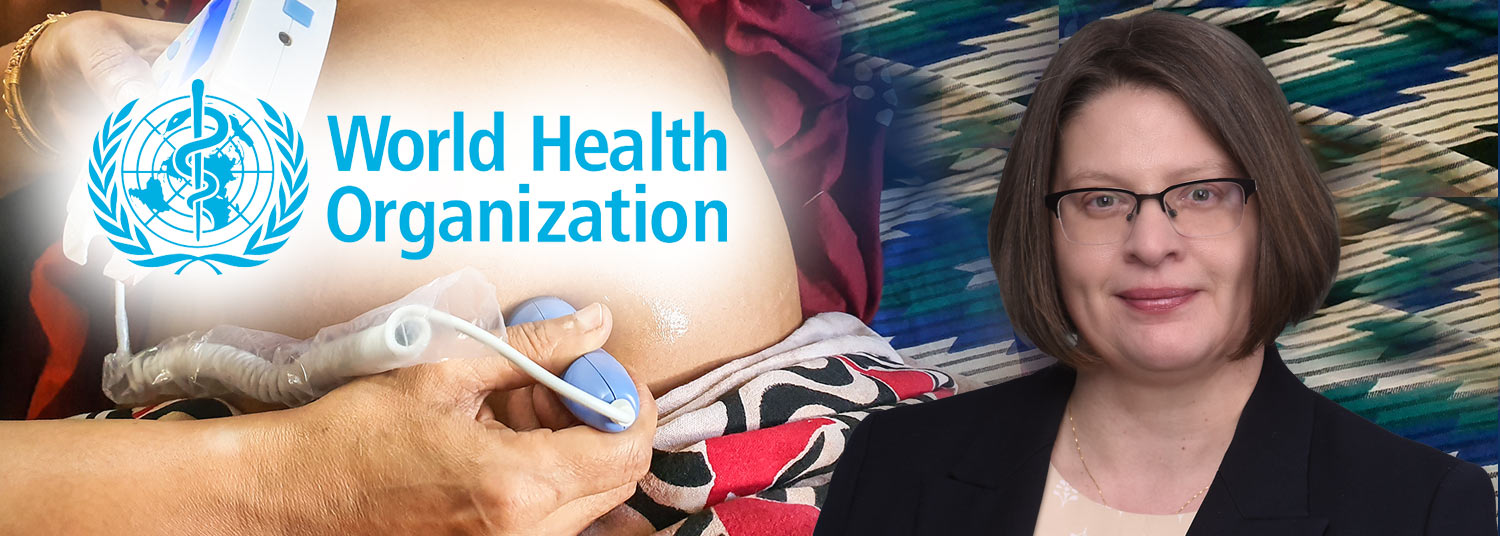
Dr. Andreea Creanga, chair of epidemiology at the University of Maryland, has been reappointed to the WHO Technical Advisory Group on Maternal Mortality, a critical moment as more than 700 women die each day from preventable pregnancy complications.
The World Health Organization relies on a 15‑member technical advisory group to refine how countries count and report maternal deaths. The group’s work underpins global estimates, informs policy, and guides funding toward interventions that save lives. Dr. Creanga first joined the panel in 2020 and now returns for a second two‑year term.
Key facts: - Dr. Creanga will help recommend data sources, improve estimation methods, and advise on sharing maternal mortality data. - She serves alongside experts in epidemiology, biostatistics, data science, maternal health, and obstetrics‑gynecology. - The WHO estimates that over 700 women die daily from preventable complications such as hypertension, postpartum hemorrhage, and infection. - At the state level, Dr. Creanga leads Maryland’s $15.8 million Maternal Health Innovation Program, which has trained nearly 4,000 providers and distributed home blood‑pressure cuffs to support telehealth monitoring. - Nationally, she directs the Maternal Health Data Innovation and Coordination Hub, a resource for 12 NIH‑funded research centers.
What it means: Reliable, comparable data are the foundation of effective maternal‑health policy. By standardizing death reporting, the WHO advisory group can pinpoint geographic disparities and track progress toward the Sustainable Development Goal of reducing the global maternal mortality ratio to less than 70 per 100,000 live births by 2030. Dr. Creanga’s expertise in large‑scale data systems and her experience with Maryland’s innovation program position her to influence both global metrics and on‑the‑ground interventions.
For clinicians and policymakers, the reappointment signals continued emphasis on data‑driven strategies. Hospitals should prioritize accurate cause‑of‑death coding and integrate telehealth tools that monitor blood pressure and other risk factors. Communities can leverage the resource maps developed under Maryland’s program to connect families with over 2,000 support services.
Watch for the WHO’s next maternal mortality report, which will incorporate the advisory group’s methodological recommendations and may reshape funding priorities for low‑resource settings.
Continue reading
More in this thread
Hantavirus Outbreak on MV Hondius Kills Three, WHO Says Transmission Risk Low
Dr. Priya Sharma
Supreme Court Set to Rule on Mail-Order Abortion Pill as FDA Authority Tested
Dr. Priya Sharma
Kennedy Halts FDA Tanning‑Bed Ban for Minors, Cites Personal Choice
Dr. Priya Sharma
Conversation
Reader notes
Loading comments...