Ukrainian Front‑Line Troops Face Starvation as Drone Food Drops Stall
Reports show Ukrainian front‑line soldiers fainting from starvation, surviving on minimal rations, while only about 10% receive food by drone. What to watch next.
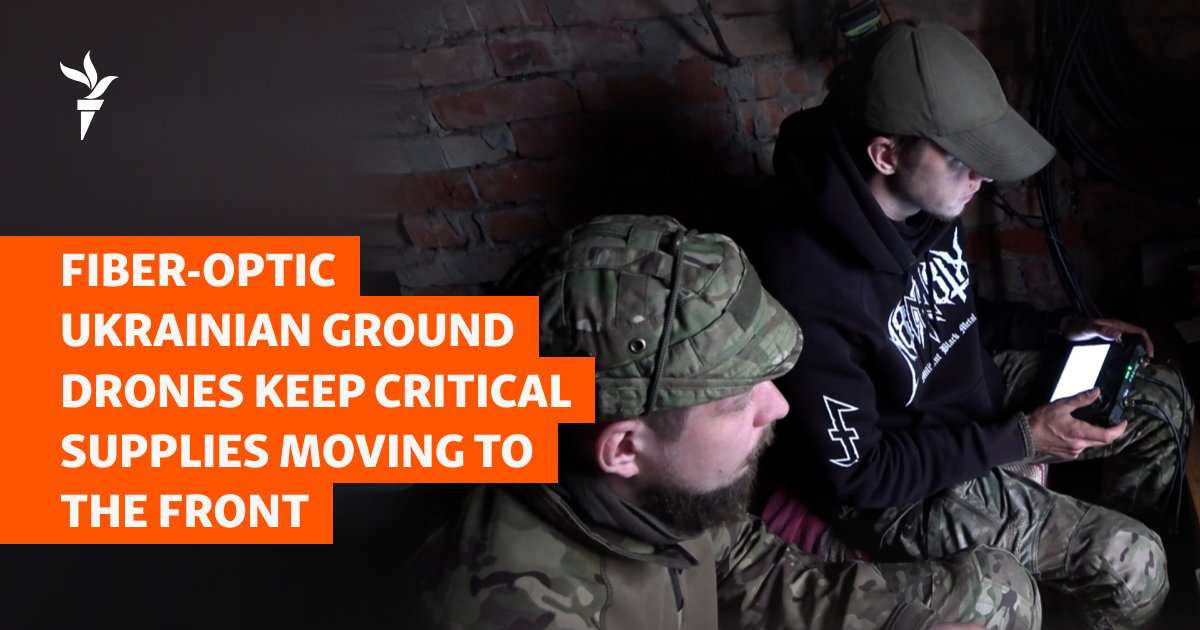
TL;DR: Ukrainian troops on the front line are fainting from starvation and drinking rainwater, surviving on chocolate bars, oatmeal and one bottle of water each day, while drone deliveries reach only about 10% of the army.
Context: The Ukrainian military has increasingly relied on drones to ferry food, ammunition and medicine to isolated positions after Russian strikes destroyed bridges and roads. Front‑line outposts often sit on exposed terrain where ground convoys cannot reach, making aerial resupply the only viable option. When Russian forces intercept or shoot down drone flights, soldiers lack regular provisions.
Brigade statement: The brigade’s officers said that delivery of everything from bread to generators is carried out by air, and that Russian forces actively try to shoot down drones. They added that the lack of supplies has left fighters weak and desperate.
Ministry response: Authorities fired the brigade’s commanding officer, and the Defence Ministry warned that insufficient food supply must not become systemic. The ministry ordered an investigation into the affected units and said the issue must be addressed promptly.
Key Facts: Reports from soldiers’ families describe fighters fainting because of hunger and forced to drink rainwater. Interviews with troops reveal daily rations limited to chocolate bars, oatmeal and one bottle of water. A researcher monitoring the war estimates that no more than 10% of the Ukrainian army receives its food via drone drops.
What It Means part 1: The sparse drone coverage creates pockets of chronic malnutrition that can impair combat effectiveness and increase vulnerability to illness. Persistent shortages risk becoming systemic if the air supply chain remains disrupted.
What It Means part 2: Improving drone protection, expanding alternative supply routes and increasing drone sortie rates could alleviate the crisis. Prolonged hunger also lowers morale, making units less likely to hold positions under fire.
What to watch next: Observers will monitor whether drone loss rates decline, if the Ministry’s investigation leads to concrete logistics reforms, and whether forces can restore ground‑based supply options as front lines shift.
Continue reading
More in this thread
Conversation
Reader notes
Loading comments...