Ukraine Strikes Russian Oil, Moscow Gains Amid Energy Crisis
Ukrainian attacks on Russian oil facilities coincide with revenue gains for Moscow. The global energy crisis, influenced by the Iran conflict, boosts fuel prices and offers sanctions relief.
TL;DR
Ukraine's attacks on Russian oil facilities have coincided with an increase in Russian energy revenues. A global energy crisis, influenced by the Iran conflict, enables Moscow to capitalize on higher fuel prices and certain sanctions relief.
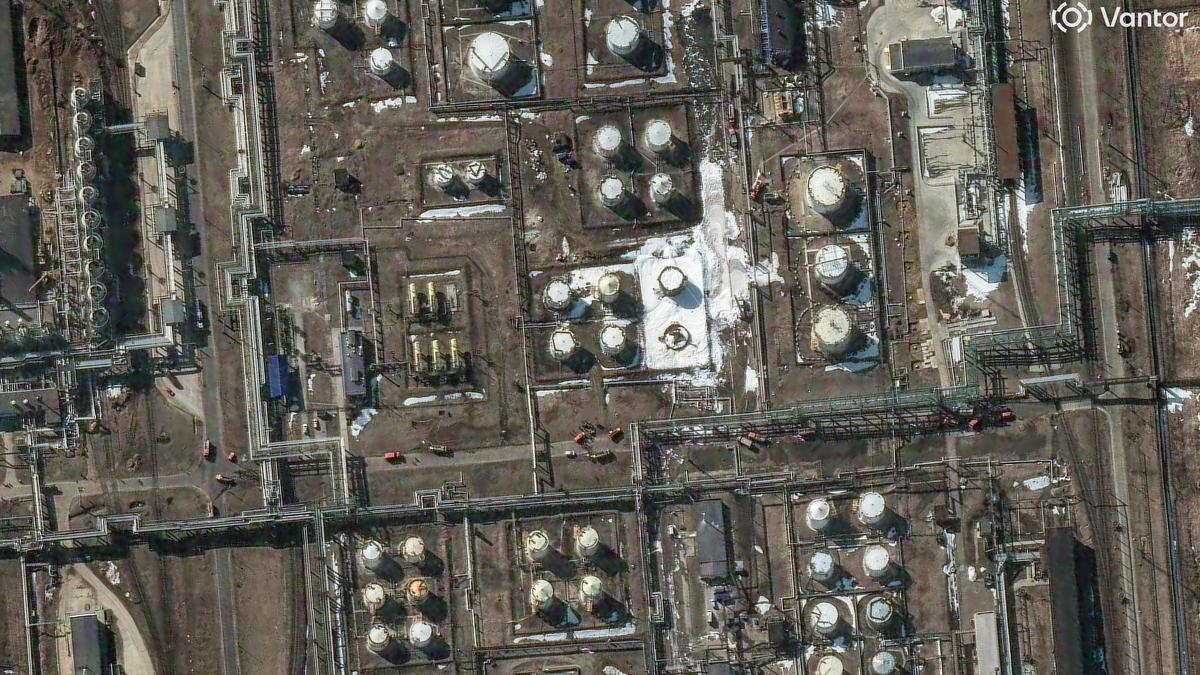
Context Moscow initiated intense aerial attacks across Ukraine, escalating the ongoing conflict. These sustained assaults targeted various Ukrainian infrastructure. In response, or as part of its strategic operations, Ukraine launched strikes targeting Russian oil facilities. These military actions occur within a rapidly shifting global energy market.
Key Facts Ukrainian forces have executed specific strikes against Russian oil infrastructure. These operations take place at a time when Russia is reporting increased financial returns from its energy sector. Rising global fuel prices are a significant factor contributing to this uplift in Moscow’s revenues.
This increase in revenue for Russia is also linked to particular shifts in sanctions enforcement or market adjustments. The broader global energy crisis, partly driven by geopolitical developments such as the Iran conflict, has inadvertently created market conditions that support Russia’s energy exports. These dynamics allow Moscow to maintain substantial revenue streams, even amid the costs of military engagement.
The global energy crisis critically impacts both Russia and Ukraine within their conflict. Both nations must navigate the complexities of international fuel costs and energy supply challenges. For Russia, the current market environment translates directly into financial benefits derived from elevated energy prices, a key component in sustaining its war efforts.
What It Means This situation presents a complex and somewhat paradoxical outcome. Military actions taken by Ukraine against Russian energy infrastructure have occurred concurrently with market-driven financial gains for Russia. While Ukraine's strikes aim to disrupt Russia’s economic and military capabilities, the global energy market's current state allows Russia to secure increased energy income. This dynamic underscores the intricate relationship between military strategy and global economic forces.
The wider geopolitical environment, encompassing global energy supply, demand pressures, and other international conflicts, continuously shapes the economic realities for both combatants. These external factors dictate financial resources for both nations. For Ukraine, the disruption of Russian facilities carries strategic weight, but the global market mitigates some of its intended economic impact. Conversely, Russia benefits from these market conditions, reinforcing its financial resilience.
Analysts will continue to observe how global energy prices, influenced by ongoing geopolitical tensions and specific conflicts like that involving Iran, directly affect the financial resources available to both Ukraine and Russia. The interplay between military operations and the global energy market remains a critical element to watch.
Continue reading
More in this thread
Queensland’s new antisemitic hate speech laws trigger mass arrests, reviving memories of 1970s protest crackdown
Nadia Okafor
Wichita State Senate Funds Rural Graduate Scholarship and Launches International Mentorship Initiative
Nadia Okafor
Vatican Moves Toward Permanent Beijing Mission as Bishop Deal Extended to 2028
Nadia Okafor
Conversation
Reader notes
Loading comments...