Ukraine Shares Drone Tech with Gulf States Amid Iranian Strikes and Mali Rift
Ukraine provides defensive drone expertise to Gulf states to counter Iranian attacks, while Mali cuts diplomatic ties over alleged Kyiv involvement in rebel killings.
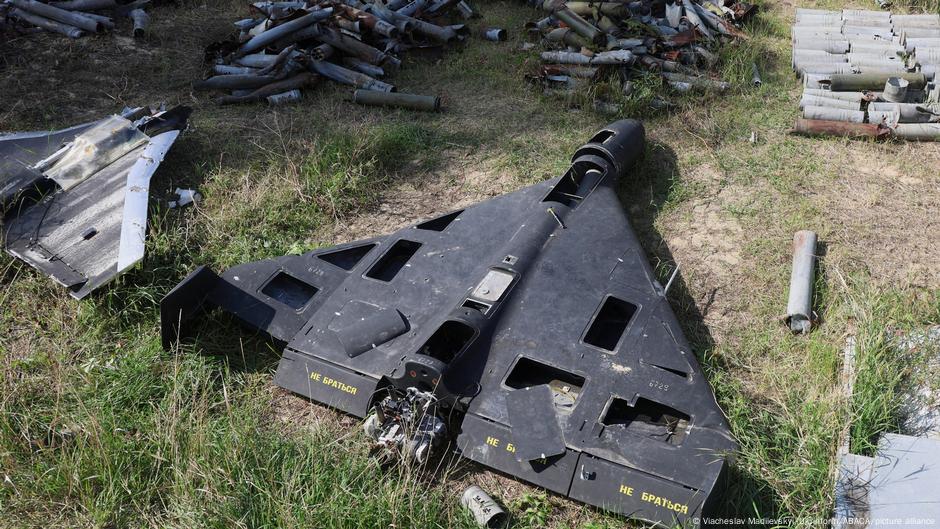
Fragments of a Shahed drone in Kharkiv, Ukraine
TL;DR
Ukraine is providing defensive drone technology to Gulf states to help them counter Iranian attacks, even as Mali cut diplomatic ties with Kyiv over alleged involvement in rebel killings. The initiative follows an Iranian strike that destroyed a US E-3 Sentry AWACS at Prince Sultan Air Base.
Context: After joint US‑Israeli strikes on Iran, Tehran retaliated by targeting military sites across the Gulf, including Kuwait, Bahrain, Qatar, Saudi Arabia and the UAE. On March 27 an Iranian attack hit Prince Sultan Air Base, damaging several US aircraft and destroying an E‑3 Sentry AWACS, an airborne early warning and control plane. The barrage also struck early‑warning radars used by US and Gulf forces, raising concerns about the sustainability of US air‑defense supplies for Ukraine. The diversion of Patriot interceptors to Gulf defenses has reduced the stock available for sale to Ukraine, prompting concern in Kyiv about future supplies.
Key Facts: Ukraine is sharing its defensive drone expertise and interceptor technology with Persian Gulf nations to blunt Iranian drone threats. The March 27 Iranian strike on Prince Sultan Air Base damaged multiple US aircraft and destroyed an E‑3 Sentry AWACS on the ground. In 2024 Mali severed diplomatic relations with Ukraine after accusing a Ukrainian official of admitting Kyiv’s role in the killing of Malian soldiers and mercenaries by Northern Tuareg rebels. Kyiv aims to produce seven million drones this year and sees Gulf partnerships as a way to unlock idle manufacturing capacity.
What It Means: Kyiv’s drone offer is a pragmatic bid to secure Gulf investment for its own unmanned‑aircraft industry while gaining political leverage amid dwindling US munitions. The Mali fallout highlights the reputational risk of Ukraine’s overseas statements, potentially limiting its influence in Africa. Meanwhile, Gulf states receive proven counter‑drone know‑how that could bolster their defenses against further Iranian barrages. Analysts note that the move is partly symbolic, reflecting Kyiv’s effort to stay visible internationally despite reliance on Western aid.
What to watch next: Monitor whether Gulf‑Ukraine tech talks translate into concrete contracts, how Mali’s diplomatic stance evolves, and whether the US can replenish air‑defense stocks for both Ukraine and its Gulf partners. Watch also for any announced Gulf investment figures that could jump‑start Ukraine’s drone production lines.
Continue reading
More in this thread
Starmer Faces Revolt as 70 MPs Call for His Exit After Lacklustre Speech
Nadia Okafor
Israel’s Knesset Approves Death Penalty and Televised Trials for October 7 Detainees
Nadia Okafor
Reform UK Secures 11 Seats in Epping Forest and Takes Essex County Council
Nadia Okafor
Conversation
Reader notes
Loading comments...