UK to Move Older Wind and Solar Farms onto Fixed‑Price Contracts to Shield Bills from Gas Price Spikes
The UK government moves older wind and solar farms onto fixed-price contracts. This strategy aims to shield consumers from gas price spikes and stabilize electricity costs.
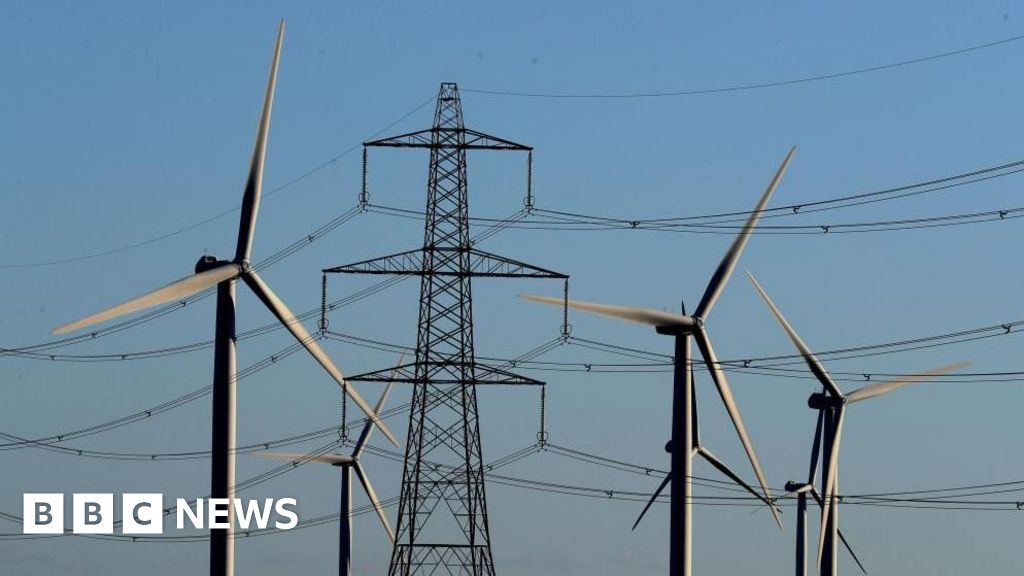
Six wind turbines in front of electricity pylons, with a light blue sky in the background.
TL;DR: The UK government will transition older wind and solar farms to fixed-price contracts. This move aims to protect household and business energy bills from future fluctuations in gas prices.
Context: The UK government is implementing a strategy to move existing wind and solar power generation onto fixed-price contracts. This initiative directly addresses consumer vulnerability to volatile wholesale gas markets. The voluntary scheme will offer long-term agreements, aligning older renewable assets with the Contracts for Difference (CfDs) mechanism already utilized by newer low-carbon projects since 2017. This aims to stabilize a significant portion of the national electricity supply.
Key Facts: Older wind and solar farms are critical, supplying nearly one-third of Great Britain's total electricity. These facilities currently sell their power at market rates, which often escalate sharply with gas price increases. Recent weeks saw UK power market prices climb significantly, from roughly £74 per megawatt-hour (MWh) to over £100 per MWh. This rapid escalation prompted Energy Secretary Ed Miliband to declare that the UK must "double down, not retreat, on its clean-energy mission" in response to fossil-fuel price shocks. Such market exposure for renewables leads to higher costs for consumers when gas prices are high.
What It Means: Shifting these renewable sources to fixed contracts aims to fundamentally "delink" electricity costs from gas prices. This strategy could substantially reduce bill payer exposure to sudden market spikes. The voluntary nature of the contracts suggests generators face a choice between long-term price certainty or potential higher profits (and potential higher taxes) from market exposure. This transition represents the government's most significant attempt to secure more predictable electricity costs and bolster national energy independence. Stakeholders will now observe the rate of generator uptake and the tangible effects on market stability and overall consumer energy bills.
Continue reading
More in this thread
Queensland’s new antisemitic hate speech laws trigger mass arrests, reviving memories of 1970s protest crackdown
Nadia Okafor
Wichita State Senate Funds Rural Graduate Scholarship and Launches International Mentorship Initiative
Nadia Okafor
Vatican Moves Toward Permanent Beijing Mission as Bishop Deal Extended to 2028
Nadia Okafor
Conversation
Reader notes
Loading comments...