UK Secures £3.7bn Gulf Trade Deal, Removing Tariffs on 93% of Goods
The UK‑GCC agreement promises £3.7 bn in export opportunities and eliminates tariffs on nearly all British goods to six Gulf states, with services gaining guaranteed access.
TL;DR
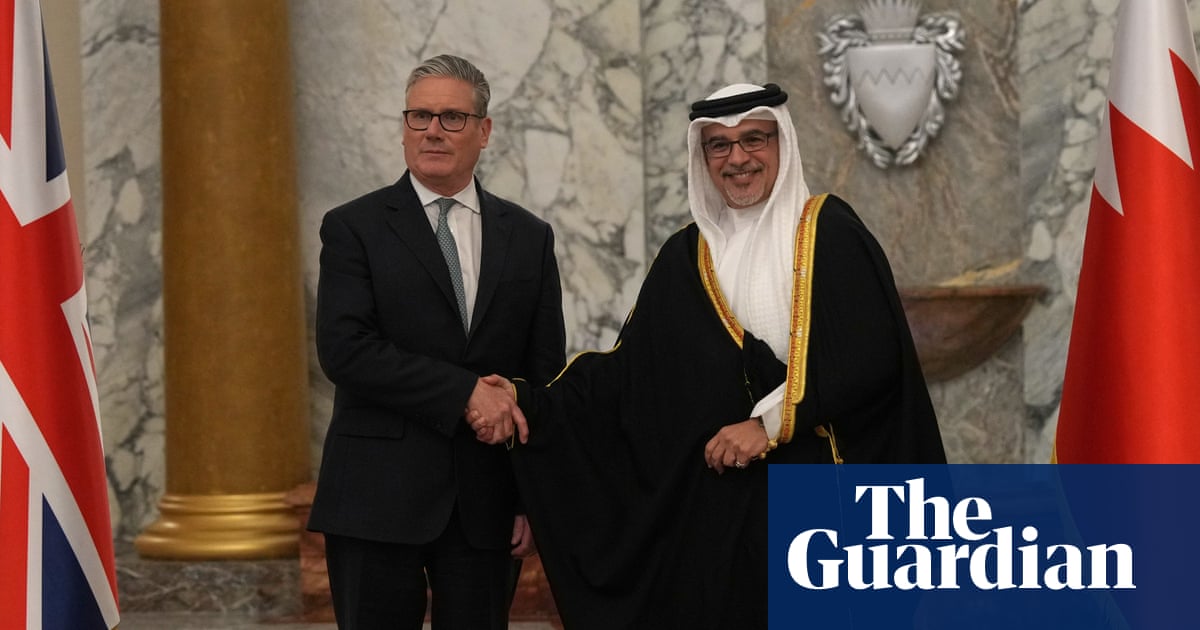
The UK has signed a trade agreement with the six Gulf Cooperation Council states that will unlock £3.7 billion of export opportunities and scrap tariffs on 93 % of British goods sold there. Prime Minister Keir Starmer called it a huge win for business and workers, promising higher wages and more opportunities.
Context Negotiations spanned four years and saw four different prime ministers at the table before Keir Starmer concluded the deal. It marks the third trade agreement secured by his government, following pacts with India and South Korea. Officials frame the pact as a political demonstration that the administration can still deliver results despite recent local‑election setbacks and questions about leadership stability.
Key Facts The government projects £3.7 billion of export opportunities for UK firms, double the initial estimate. Tariffs on 93 % of goods exported to Saudi Arabia, Kuwait, Oman, Qatar, the United Arab Emirates and Bahrain will be eliminated. Specific duties that disappear include a 6 % charge on cheddar cheese, 15 % on chocolate, 10 % on biscuits and a 5 % rate on cars. The agreement also permits UK companies to store data outside the Gulf region for the first time and guarantees services—covering roughly 80 % of the UK economy—access to business in the six states. Sectors highlighted for zero‑tariff treatment are food, medical equipment, defence, aerospace, advanced manufacturing and various services such as finance, construction, education, hospitality and technology. Prime Minister Starmer described the deal as a “huge win for British business and working people” and said it will lead to higher wages and more opportunities in the years ahead.
What It Means Exporters should see lower costs on a broad range of products, making UK goods more price‑competitive in a market that previously applied a blanket 5 % tariff with higher rates on certain items. Service providers gain a foothold in finance, energy, education and technology, sectors where the UK holds a strong comparative advantage. Agricultural groups, including the National Farmers’ Union, welcomed the outcome as the best deal for UK farming since Brexit, noting that existing poultry standards were protected. Business organisations such as the British Chambers of Commerce highlighted the potential to create new work for tens of thousands of firms across multiple industries. Critics, however, point out the absence of a human‑rights chapter, arguing that the agreement overlooks concerns about labour practices and political freedoms in the Gulf. The government maintains that such issues are better pursued through diplomatic channels rather than trade provisions, while some analysts warn that investor‑protection clauses could expose the UK to future lawsuits if domestic policies shift.
What It Means – Outlook Watch how quickly British exporters translate the tariff cuts into increased sales volume, whether the anticipated wage gains appear in regional employment data, and how the government addresses ongoing calls for human‑rights safeguards in future trade negotiations.
Continue reading
More in this thread
Conversation
Reader notes
Loading comments...