UK Police Arrest Seven Over Iran-Linked Firebomb Plot; Teen Pleads Guilty to Synagogue Arson
UK police arrested seven over an alleged Iran-linked firebomb plot as a teenager pleaded guilty to synagogue arson, amid 20+ tracked hostile plots.
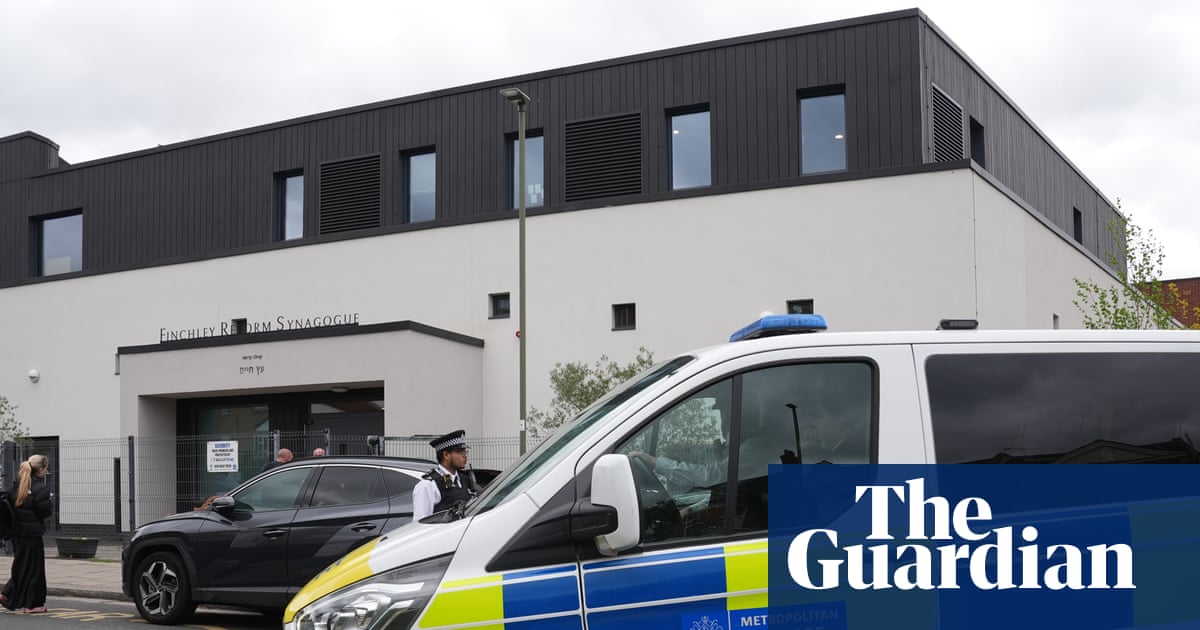
British police arrested seven individuals for an alleged firebombing plot, while a teenager pleaded guilty to arson at a west London synagogue. These recent events unfold as the UK tracks over 20 Iran-backed plots annually within its borders.
Context British authorities have heightened their focus on a discernible pattern of state-linked hostile activity. These incidents reflect a growing concern over what security officials describe as "hybrid warfare" tactics. This strategy involves utilizing criminal intermediaries to recruit individuals, often teenagers, for low-level attacks designed to destabilize targets or convey political messages without direct state involvement.
Such operations frequently target specific locations, including Jewish community sites, financial institutions, or Iranian opposition groups across Europe and the UK. Recruited operatives typically receive relatively small payments and often possess limited awareness of their ultimate paymasters or the broader geopolitical implications of their actions, operating under simplified pretexts.
Key Facts British police recently arrested seven people in connection with an alleged firebombing plot, disrupting a potential security threat. Simultaneously, a 17-year-old male pleaded guilty to arson not endangering life following an attack at a west London synagogue. These arrests and the guilty plea underscore ongoing security challenges and the tangible impact of these methods.
MI5 Director General Ken McCallum previously reported the service tracked over 20 Iran-backed plots within the UK over the past 12 months alone. These plots have ranged in nature from hostile surveillance to planned lethal activities. Julian Lanchès, an expert from the International Centre for Counter-Terrorism in The Hague, notes that while absolute evidence directly linking Iran to every specific incident remains unconfirmed, multiple converging factors strongly suggest its strategic backing for these types of operations.
What It Means These developments highlight an evolving threat landscape where state actors leverage criminal networks for strategic objectives. The reliance on proxy operatives complicates direct attribution for specific incidents but aligns with known patterns of foreign state interference. Such tactics aim to create societal unease and demonstrate reach without incurring overt diplomatic or military repercussions. Authorities continue to monitor for further activities, focusing on understanding and disrupting the intricate methods of recruitment and funding behind these operations.
Continue reading
More in this thread
Trump Extends US‑Iran Ceasefire After Pakistan’s Munir Urges Action
Nadia Okafor
Kalshi Penalizes Three US Political Candidates for Betting on Their Own Campaigns
Nadia Okafor
Nigerian Troops Neutralise 24 Terrorists, Rescue 15 Abductees in Kukareta Offensive
Nadia Okafor
Conversation
Reader notes
Loading comments...