UK inflation rises to 3.3% as fuel prices jump, stirring Bank of England policy doubts
March UK CPI at 3.3% driven by fuel prices; BoE policy outlook uncertain amid oil supply worries.
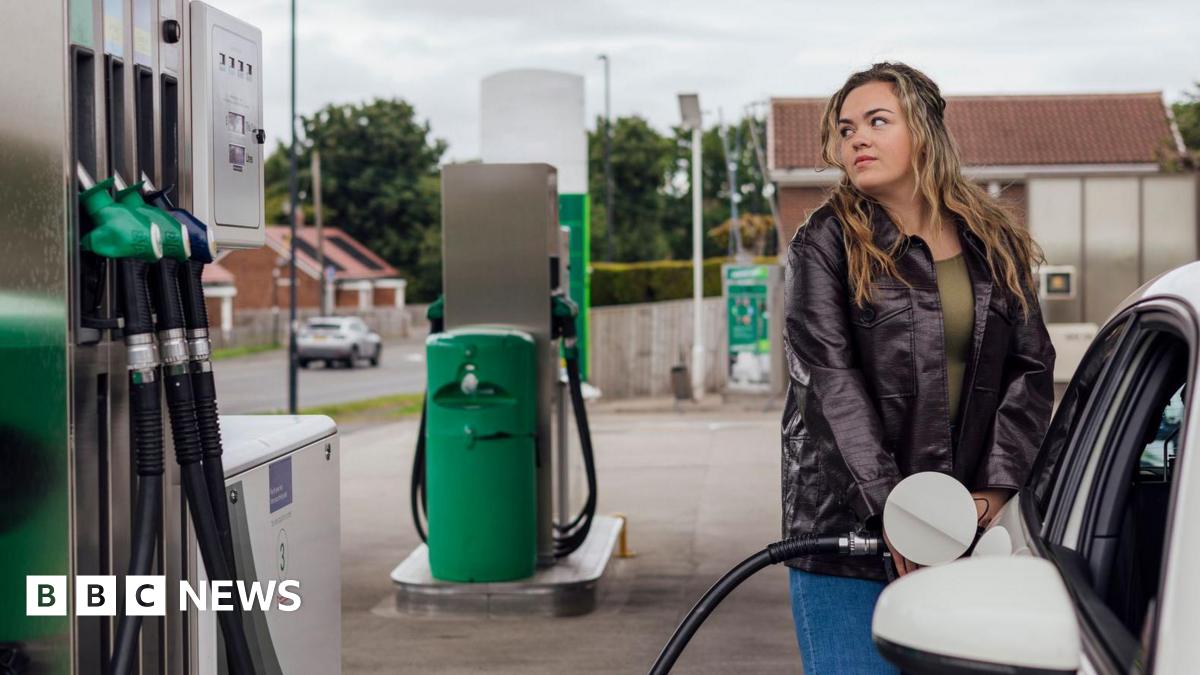
TL;DR UK inflation jumped to 3.3% in March, driven by a spike in fuel prices.
Context The Office for National Statistics reported that the Consumer Price Index rose 3.3% over the twelve months to March, up from 3.0% in February. Monthly inflation was 0.7%, compared with 0.3% a year earlier. Motor fuel contributed the largest share of the increase, while clothing provided the biggest offsetting drop. Core CPI, which strips out energy, food, alcohol and tobacco, edged down to 3.1% annually, a ten‑basis‑point easing from the prior month. Goods prices rose from 1.6% to 2.1% and services from 4.3% to 4.5% over the same period.
Key Facts Zara Nokes of JP Morgan Asset Management said the March jump was “almost exclusively driven by higher fuel prices” and warned that inflation will likely worsen later in the year as the energy price cap resets and household energy bills rise. Lindsay James of Quilter Cheviot cautioned that raising interest rates would not fix the oil supply disruptions caused by the Middle East conflict, noting that higher rates do nothing to increase oil flow from the region. Market data reflected the tension: Brent crude futures (BZ=F) rose 2.3% to $89.50 per barrel, WTI (CL=F) gained 1.9% to $85.20, the FTSE 100 slipped 0.4% to 7,850 points, and GBP/USD fell 0.3% to 1.2650. BP (BP.L) holds a market capitalisation of roughly £100 billion, while Shell (SHEL.L) is valued near £200 billion.
What It Means The Bank of England faces a classic supply‑shock dilemma: inflation is being pushed up by costly fuel rather than excess demand, so traditional rate hikes may have limited impact on prices while risking slower growth. Investors are pricing in a single rate increase over the next year, down from more aggressive bets seen weeks ago, as they await the Monetary Policy Committee’s decision next week. The key watch will be whether upcoming energy‑price‑cap revisions and any further Middle East supply disruptions keep fuel costs elevated, which could force the BoE to hold rates longer than anticipated.
Continue reading
More in this thread
Record $300B Q1 Venture Surge Masks 41% Early-Stage Boom and Acquisition-Driven Exit Shift
David Amara
Clearstead Hires Ex-Acrisure M&A Director Shaun McCracken to Drive $62B RIA Deal Flow
David Amara
Legal challenge threatens to delay £9.1bn car‑finance payouts averaging £829 each
David Amara
Conversation
Reader notes
Loading comments...