UK inflation hits 3.3% as fuel prices surge to highest in over three years amid Iran war
UK inflation accelerated to 3.3% in March, primarily due to the largest fuel price increase in over three years, driven by the ongoing Iran war.
TL;DR
UK inflation accelerated to 3.3% in March, driven primarily by the largest increase in fuel prices in over three years, a direct consequence of the ongoing Iran war.
Context Britain's annual inflation rate, which measures the pace at which prices for goods and services rise, climbed to 3.3% in March. This marks an acceleration from February's 3% rate. The Office for National Statistics (ONS) reported this increase, attributing it largely to global energy market volatility stemming from geopolitical tensions in the Middle East. This figure remains above the government's 2% target, signaling persistent inflationary pressures within the economy.
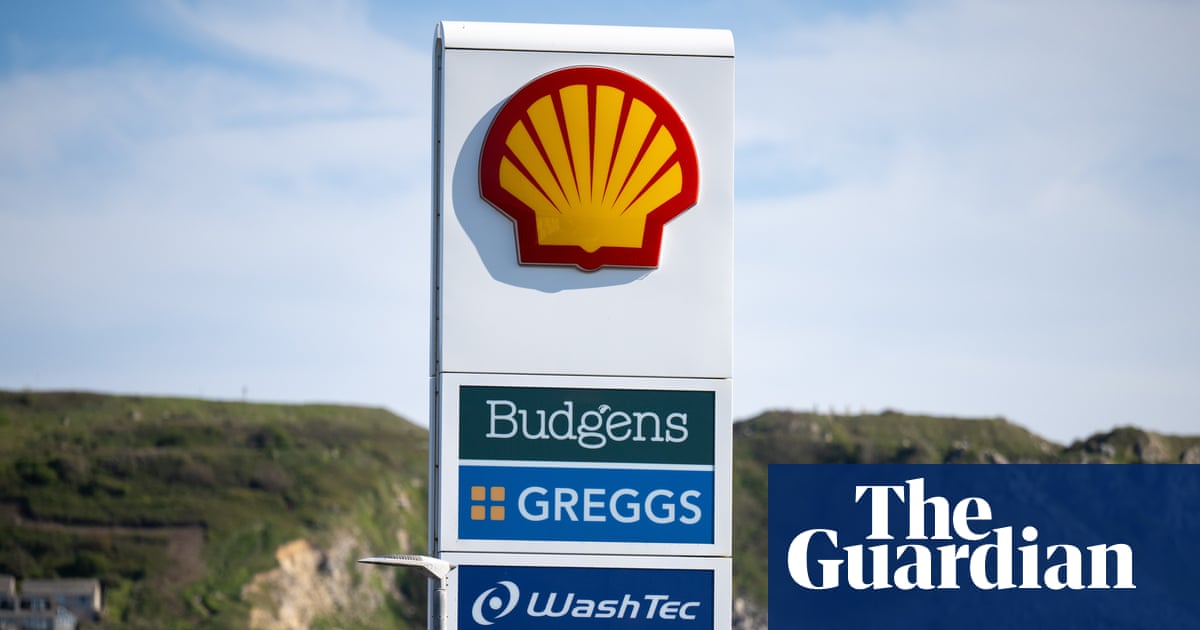
Key Facts The primary driver behind March's inflation surge was a substantial rise in fuel costs. This marks the largest fuel price increase recorded in over three years, a direct impact of the Iran war. Grant Fitzner, ONS chief economist, confirmed higher fuel prices as the main contributor, also noting rising airfares and food prices played a role. Specifically, petrol prices rose by 8.6 pence per litre, reaching 140.2 pence per litre in March. This marks the highest point for petrol prices since August 2024. The broader context of global oil prices, which have approached $100 a barrel, reflects disruptions to energy supplies, particularly concerns surrounding the critical Strait of Hormuz. These elevated fuel costs directly increase transportation expenses for both consumers and businesses, subsequently impacting the cost of goods throughout supply chains.
What It Means This acceleration in inflation places further pressure on household budgets and business operating costs, potentially eroding purchasing power and living standards. The International Monetary Fund has cautioned that the UK faces the sharpest growth slowdown and potentially the joint highest inflation rate among G7 nations this year. The Bank of England has maintained current interest rates, but a prolonged conflict and continued disruption in global energy markets could force future rate increases. Such a move would aim to prevent high inflation from becoming ingrained in the economy, impacting borrowing costs for mortgages and loans. While forecasts initially predicted a significant drop in inflation by April due to government measures, the escalating geopolitical situation now suggests prices may remain stubbornly high, deviating from earlier predictions for a return near the 2% target.
Looking Ahead The stability of crude oil prices and developments in the Middle East remain critical factors. Observers will closely monitor upcoming inflation data releases and the Bank of England's next policy meeting for potential shifts in monetary policy. These decisions will shape the UK's economic trajectory in the coming months.
Continue reading
More in this thread
Ripple’s BIS Taskforce Inclusion Signals Blockchain’s Rise as Russia Advances Crypto Bill
David Amara
Prosperity Bancshares Clears Federal Hurdles for Stellar Merger, Shareholder Vote Set for May 27
David Amara
Over a Third of European Investors Threaten to Switch Banks for Better Crypto Access
David Amara
Conversation
Reader notes
Loading comments...