UK Government Drops Compulsory Digital ID Plan After Public Backlash
After a three-million-signature petition and a committee call of fiasco, the UK government scrapped compulsory digital ID for workers, choosing a voluntary scheme.
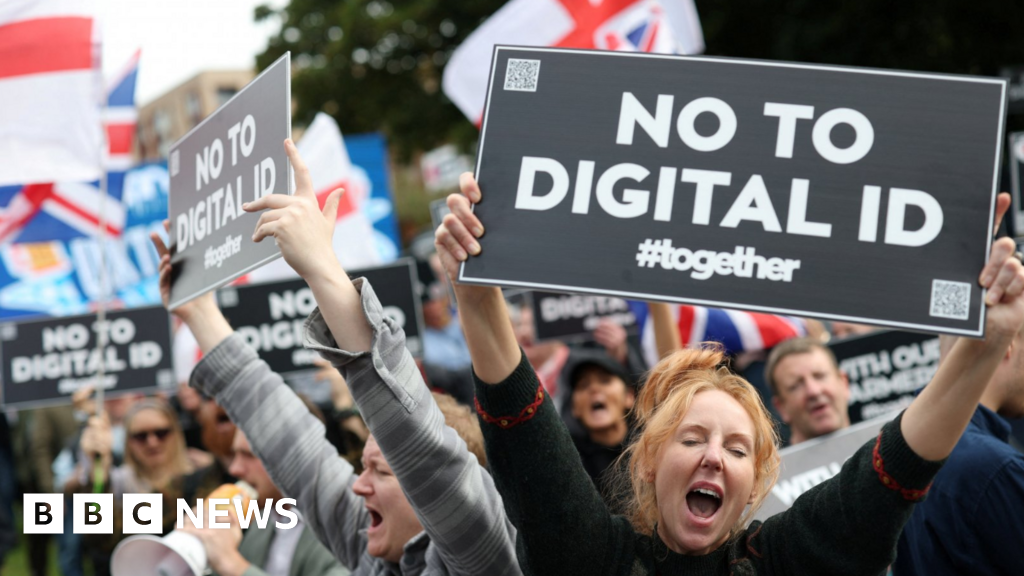
A woman with red hair tied up in a ponytail is pictured shouting and holding a large placard reading 'No to Digital ID' at the front of a crowd of protesters.
TL;DR
The UK government dropped its plan to make digital ID compulsory for workers after a petition attracted three million signatures and a parliamentary committee called the rollout a fiasco. The reversal follows criticism that the initiative was poorly explained and raised surveillance fears.
Context Digital ID refers to a smartphone app that would hold a person's residency status, name, date of birth, nationality and photo. The app could be used to prove age and the right to live and work in the UK, functioning similarly to a digital bank card. Officials originally pitched it as a tool to curb illegal work by reducing reliance on forged documents.
Key Facts Home Affairs Committee Chair Dame Karen Bradley told MPs that the government's early attempts to set out its digital ID plans were "nothing short of a fiasco". She said the announcement came out of the blue, made little sense and left few answers to ease public concerns. In September 2023, Labour leader Sir Keir Starmer announced a proposal to make digital ID compulsory for workers. Three months later, after a surge of public opposition, he reversed the position and said the ID would be voluntary. A UK Parliament petition opposing the scheme warned of mass surveillance and digital control, gathering three million signatures within weeks.
What It Means The shift to a voluntary model reflects a recognition that public trust hinges on transparency and strong privacy safeguards. The government has launched an eight-week consultation and a "people's panel" of 100 citizens to shape the app's design, and ministers have pledged not to create a centralised database. However, Dame Karen Bradley warned that widespread adoption will only occur if users feel confident their data is secure against cyber and data breaches.
What to watch next Watch for the consultation's findings, due in spring 2025, and any legislation that may follow to enshrine privacy standards and clarify the voluntary nature of the digital ID.
Continue reading
More in this thread
Israeli Minister Ben‑Gvir’s Flotilla Video Sparks Global Diplomatic Outcry
Nadia Okafor
Councilwoman Rodriguez Calls for 10% Ticket Tax and Independent Audit to Guard LA Taxpayers
Nadia Okafor
Hezbollah’s Drone Footage and Nasrallah’s Death Shift Perception Battle as Iranian Lego Clips Top 145 Million Views
Nadia Okafor
Conversation
Reader notes
Loading comments...