UK Mounts First Rwanda Genocide Prosecution Against Former Kigali Doctor
British prosecutors charge former physician Dr Vincent Brown under the 2001 ICC Act over 1994 Rwandan genocide killings in Kigali.
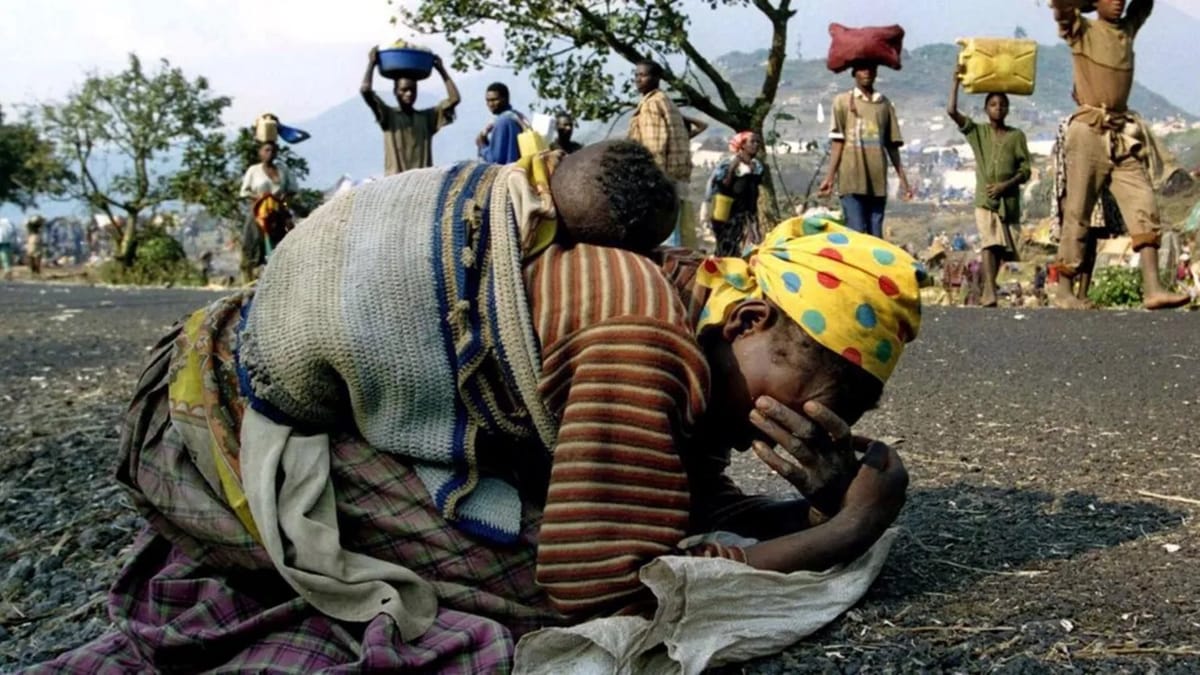
British authorities have charged a former Rwandan physician with genocide and crimes against humanity, initiating the first domestic prosecution in the United Kingdom connected to the 1994 slaughter of Tutsi civilians.
Vincent Brown, formerly known as Vincent Bajinya, appeared at Westminster Magistrates' Court to confirm his identity and address initial procedural matters following a seven-year investigation by British police.
The Crown Prosecution Service charged Brown under the International Criminal Court Act 2001. The indictment includes one count of conduct ancillary to genocide and six counts of conduct ancillary to murder as a crime against humanity.
Prosecutors allege that Brown participated directly in mass violence in the Rugenge district of the Rwandan capital, Kigali, during April 1994. Specifically, the prosecution asserts that he killed, directed, or encouraged the killing of ethnic Tutsi civilians during the opening weeks of the genocide.
The charges originate from the 100-day campaign of extermination orchestrated by extremist Hutu factions in 1994, which resulted in the deaths of approximately 800,000 Tutsi and politically moderate Hutu civilians. Historical and legal records recognize the event as one of the swiftest and largest mass killings since the Holocaust.
Prior to the genocide, Brown trained as a physician during the 1980s and eventually rose to direct Rwanda’s Department of Family Health, based in Kigali. Following the collapse of the interim regime and the end of the genocide, Brown left the country and eventually settled in the United Kingdom.
In Britain, Brown established a career centered on refugee advocacy and healthcare administration. Beginning in 2006, he worked for the London-based refugee charity Praxis. He also participated in official advisory channels, serving on the Refugee Nurses Task Force, an initiative established to assist the British government in integrating qualified foreign healthcare workers into the National Health Service.
Representing Brown at Westminster Magistrates' Court, defense barrister Sam Blom-Cooper stated that his client firmly denies every allegation on the charge sheet. Blom-Cooper told the court that Brown intends to contest the prosecution before a jury to clear his name. While acknowledging that the 1994 killings were horrific crimes, the defense characterized the formal charges as the beginning of the end of decades-long scrutiny directed at Brown.
Senior British law enforcement officials framed the arraignment as a direct application of universal legal standards, emphasizing that the United Kingdom cannot function as a sanctuary for individuals suspected of atrocity crimes.
The decision to prosecute domestically marks a fundamental shift in how the United Kingdom handles suspects from the Rwandan genocide. For years, British authorities engaged in lengthy legal deliberations regarding whether to extradite suspects to Kigali. British courts repeatedly blocked extraditions to Rwanda, citing concerns regarding whether the accused would receive fair trials under the Rwandan legal system.
By invoking the International Criminal Court Act 2001, British prosecutors have bypassed the extradition impasse entirely. The statute empowers English courts to try foreign nationals residing in the United Kingdom for genocide, war crimes, and crimes against humanity, regardless of where the acts occurred.
The upcoming proceedings will test the capacity of British courts to manage evidence spanning three decades and thousands of miles. Prosecuting mass atrocities thirty years after their occurrence introduces severe procedural burdens. The Crown Prosecution Service must substantiate charges using historical documentation, survivor testimony, and decades-old forensic assessments.
Simultaneously, the defense faces the complex task of challenging witness recollections formed during extreme chaos and trauma, where the risks of mistaken identification and degraded memory remain acute.
The proceedings against Brown establish a clear legal precedent for the United Kingdom. After decades of relying on international tribunals or contemplating extradition, British courts have assumed direct responsibility for adjudicating allegations arising from the 1994 Rwandan genocide.
Continue reading
More in this thread
Market Volatility and Economic Indicators Signal Potential September Downturn
Nadia Okafor
German Chancellor Merz Faces Internal Pressure After State Election Losses
Nadia Okafor
Nigel Farage Proposes Importing US Immigration Enforcement Tactics
Nadia Okafor
Conversation
Reader notes
Loading comments...