UK Cyber Chief Says AI Hacking Tools Like Mythos Could Be 'Net Positive' If Secured
NCSC's Richard Horne states advanced AI tools like Mythos could improve cybersecurity if secured, highlighting the need for basic cyber hygiene.
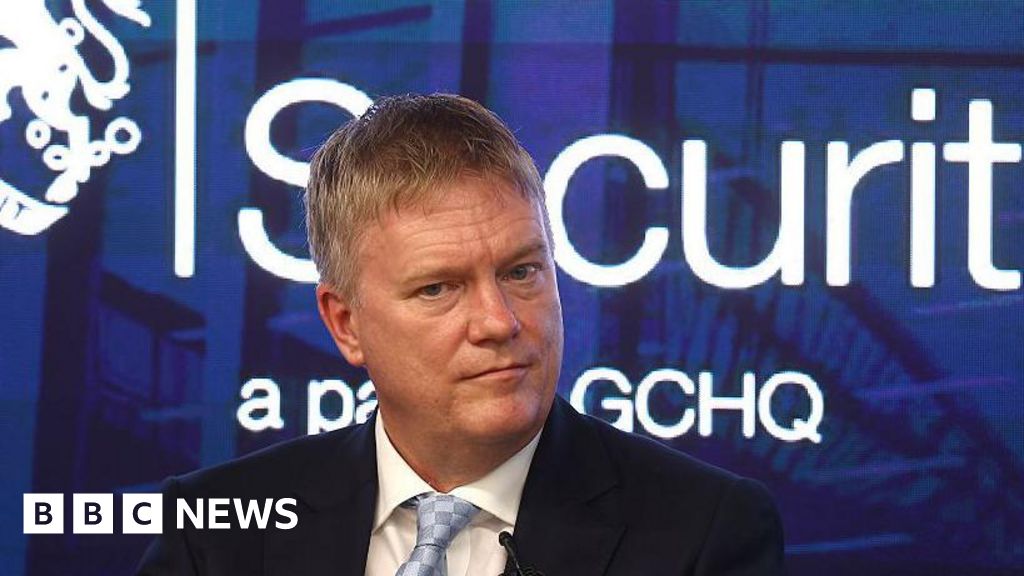
Richard Horne wearing a dark suit and light blue tie
TL;DR
The UK's National Cyber Security Centre (NCSC) indicates advanced AI tools, including sophisticated hacking models, can significantly improve public cybersecurity if secured from misuse. This perspective arrives amidst growing concerns about AI's offensive capabilities.
Advanced AI models, such as Anthropic's Mythos, demonstrate exceptional proficiency in identifying and exploiting system weaknesses. These tools highlight a dual reality for cybersecurity: while they present new offensive capabilities, they also offer the potential to strengthen defenses significantly. The UK government is assessing this evolving landscape.
Richard Horne, head of the UK's NCSC, asserts that advanced AI tools could become a "net positive" for public cybersecurity, provided they are effectively protected from misuse. This optimistic outlook acknowledges the profound capabilities of these technologies. However, Horne also issued a warning: frontier AI—the most advanced and capable AI models—is already rapidly discovering and exploiting known vulnerabilities at scale. This activity quickly exposes persistent gaps in fundamental cybersecurity practices across organizations.
Concurrently, UK Security Minister Dan Jarvis has urged leading AI companies to collaborate closely with the government. This long-term effort aims to harness AI's power specifically for defending critical national networks against evolving threats. The initiative underscores the strategic importance of developing AI for protective measures.
What It Means for Defenders
The emergence of highly capable AI tools fundamentally shifts the cybersecurity paradigm for organizations. These AI systems can automate reconnaissance, vulnerability discovery, and exploitation, accelerating attack timelines. For security teams, this means a reduced window for response and an increased imperative to establish robust foundational defenses. Organizations must prioritize patching known vulnerabilities, implementing secure configurations, and maintaining continuous vulnerability management. This proactive stance directly addresses Horne's observation that AI reveals weaknesses in basic security.
Furthermore, the government's call for collaboration emphasizes the necessity for AI developers to integrate security-by-design principles into their models from inception. Defenders should advocate for transparent security assessments of AI tools and explore avenues for leveraging AI-driven analytics for threat detection and incident response. As AI models become more accessible, the disparity between well-secured and poorly secured environments will grow. Close cooperation between government, industry, and academia will prove vital in directing AI's development toward enhancing collective defense, rather than solely escalating offensive capabilities.
What to watch next is the pace at which defensive AI tools mature and the effectiveness of international and national frameworks designed to secure frontier AI models.
Continue reading
More in this thread
AI‑Generated CSAM Fuels 34% Rise as Kansas Tips Hit 11,000
Peter Olaleru
Microsoft AI Blocks $4 Billion in Scams as AI‑Powered Fraud Rises in Southeast Asia
Peter Olaleru
Microsoft AI Stops $4 Billion in Scams While Scanning 100 Trillion Security Signals Daily
Peter Olaleru
Conversation
Reader notes
Loading comments...