UK Chancellor Details £20 Billion Deficit Cut Amid Conflict
Chancellor Rachel Reeves plans a £20 billion UK deficit reduction and £90 fuel savings. The IMF supports this fiscal strategy amid Middle East conflict pressures.
TL;DR
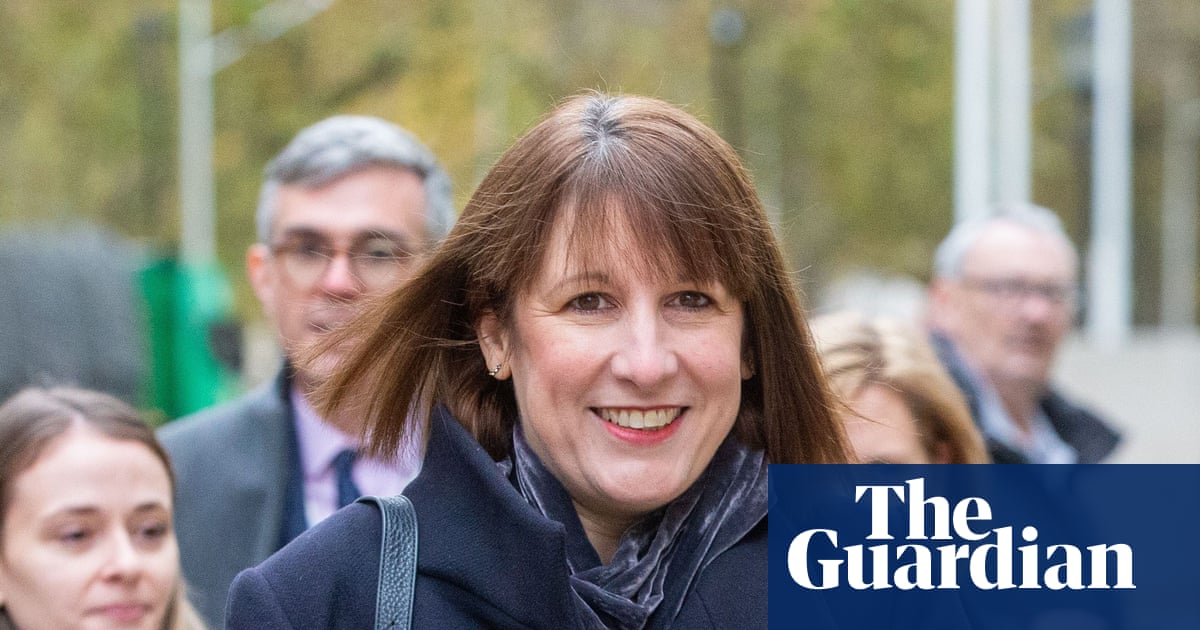
UK Chancellor Rachel Reeves outlined a plan to reduce the budget deficit by £20 billion and maintain £90 annual fuel-duty savings for motorists, a strategy the International Monetary Fund endorsed as "the appropriate response" to economic pressures from the Middle East conflict. These fiscal adjustments aim to stabilize public finances and mitigate rising costs for the general public.
Context Global economic stability faces pressures from the ongoing Middle East conflict, impacting energy prices and supply chains worldwide. Chancellor Rachel Reeves addressed Parliament to detail the UK government's economic response, emphasizing a need for fiscal responsibility amid these external challenges. A budget deficit occurs when government spending exceeds its revenue, requiring borrowing to cover the difference, and reducing it signals a strengthening of national finances.
Key Facts The UK government plans to cut its budget deficit by £20 billion this year, aiming for a reduction from 5.2% to 4.3% of the country's Gross Domestic Product (GDP) – the total value of goods and services produced. This move represents a substantial effort to tighten public spending. For individual households, the extension of a 5p per liter fuel-duty (gasoline tax) cut, implemented twice since the last election, is projected to save the average motorist approximately £90 annually. The International Monetary Fund (IMF) has publicly supported this economic strategy, describing it as "the appropriate response" to the Middle East conflict's financial implications on the global stage.
What It Means These fiscal measures are designed to curb inflation and manage interest rates, which directly influence borrowing costs for both the government and consumers. A smaller deficit signals fiscal prudence to international bond markets, potentially reducing the premium investors demand to lend to the government. This can lead to lower overall borrowing costs. While the IMF noted a "notable improvement" in the UK's public finances, recent economic data also presented a mixed picture. The UK economy grew by 0.5% in the three months to February, following an upgraded 0.3% growth in the three months to January. Despite these signs of growth, the IMF also revised its forecasts, anticipating reduced UK GDP growth and increased inflation expectations due to continued exposure to energy price shocks. This combination highlights the persistent need for economic vigilance. Investors will continue to monitor upcoming inflation data, global energy market fluctuations, and further government spending announcements for sustained fiscal discipline and economic resilience.
Continue reading
More in this thread
CVB Financial President Gains 254,767 Shares After Heritage Merger Conversion and Restricted Stock Awards
David Amara
Fed nominee Kevin Warsh calls for radical overhaul as UK inflation data looms and pound gains on Trump Iran ceasefire
David Amara
Bank of Korea Governor Hyun Song Shin Calls for Fundamental Rethink of Central Banking in Inaugural Address
David Amara
Conversation
Reader notes
Loading comments...